
AIでコラム効果を作成する方法 — Magic Eraser
AIパターン生成を使用して写真を南インドのコラム幾何学フロアアートに変換します。ドットグリッド構造、シックループ、ランゴリの色、伝統的なデザイン原則をカバーするステップバイステップガイド。

Visual Arts Editor
レビュー担当 Magic Eraser Editorial ·
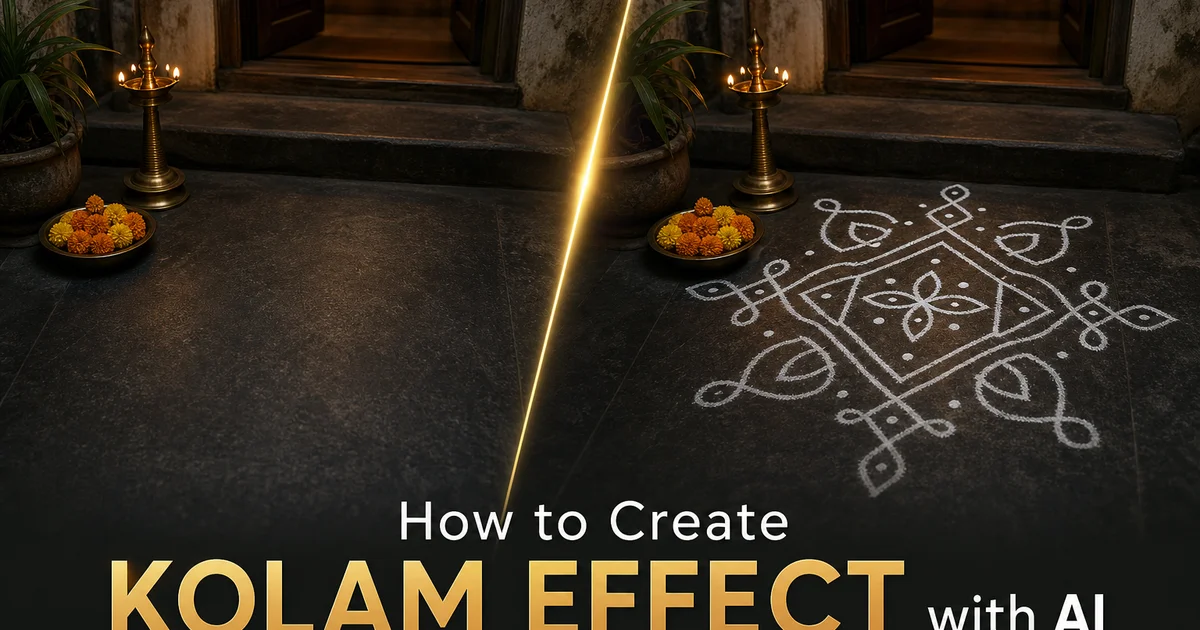
コラムは南インド全土、主にタミル・ナードゥ州、カルナータカ州、アーンドラ・プラデーシュ州、ケーララ州で何百万人もの女性によって日々実践されている生きた芸術伝統です。夜明け前の毎朝、家の玄関先は掃き清められ、米粉、チョークパウダー、または色付きランゴリパウダーを使って地面にフリーハンドで描かれた精巧な幾何学模様で飾られます。デザインは数分で描ける単純なドット接続曲線から、何時間もかかり中庭全体を覆う非常に複雑な連動ループパターンまで多岐にわたります。コラムは家庭空間と公共空間の境界を示す精神的実践であると同時に、数学的美しさの美的表現であり、実用的な供物でもあります。米粉はアリや小さな生き物の餌となり、すべての生き物と調和して生きるというヒンドゥー教の原則を体現しています。コラムの幾何学的精度と視覚的複雑さは、世界中の数学者、コンピュータ科学者、芸術家の注目を集めてきました。
コラムパターンのデジタル再現はこれまで、写真変換ではなくアルゴリズムによる生成に依存してきました。デザインは自然景観の表現ではなく抽象的な幾何学的構築物です。コラムを生成するソフトウェアは多くの場合、ドットグリッドから始まり、伝統的なデザイン原則に従ってドットを接続および囲む曲線を描くための形式文法規則を適用します。写真をコラムスタイルのアートに変換することは根本的に異なる課題です。元の被写体の可読性と伝統的な芸術形式の数学的な優雅さの両方を維持しながら、画像の明確な内容をコラムの抽象的な幾何学的語彙にマッピングする必要があります。写真へのコラムパターンの単純なオーバーレイは、写真の内容と幾何学的構造の間に意味のある関係がないため、人工的に見えます。
AIによるコラム変換は、写真の構造的な幾何学を分析し、それを本物のコラムパターンを生成するための組織的枠組みとして使用することで、このギャップを埋めます。AIは画像内の対称軸、反復要素、支配的な曲線、焦点を特定し、これらの構造的特徴に合わせてドットグリッドを構築し、伝統的なデザイン規則に従いながら被写体の意味のある輪郭をなぞるコラム曲線を生成します。結果は、元の写真の明確なバージョンとして読み取れながら、数学的構造、一本線の規律、そして本物の南インドのフロアアートの美的感覚を体現するコラムパターンとなります。このガイドでは、被写体の選択からスタイル設定、色の選択、パターンオーバーレイと説得力のあるコラム変換の違いを生む仕上げの詳細に至るまでの完全なプロセスをカバーします。
- AIは写真の構造的幾何学を伝統的なコラムのドットグリッドフレームワークにマッピングし、デザイン規則と被写体の意味のある輪郭の両方に同時に従う曲線を生成します。
- 複数のコラムスタイルが利用可能で、シンプルなプリのドット接続曲線、複雑なシックの連動ループ、角張ったカンビの直線パターンがあり、それぞれ異なる被写体タイプに適しています。
- 色モードは、暗い地面に伝統的な白い米粉から、元の写真の色を幾何学模様のセクションにマッピングする鮮やかな祭りランゴリパレットまで多岐にわたります。
- 対称性コントロールには、伝統的なコラム外観のための四方向ミラーリングと、花や建築のディテールなど自然な円形構造を持つ被写体のための放射回転が含まれます。
- 地面表面シミュレーションは、テラコッタ、石、コンクリートのテクスチャを再現し、描かれた曲線に沿って粒状の米粉または滑らかなペースト媒体が見えます。
コラムアートの文化的意義と数学的構造
コラムは家庭の儀式、視覚芸術、数学の交差点に位置するユニークな位置を占めています。タミル・ヒンドゥーの伝統では、毎朝コラムを描くことは、豊穣の女神ラクシュミを家に招く縁起の良い行為です。コラムが描かれる玄関先は、内部の家庭世界と外部の公共世界の間の境界空間を表しています。幾何学模様は装飾と象徴的な保護の両方の役割を果たします。この習慣は直接観察と模倣を通じて母から娘へと伝えられ、少女たちは単純なパターンを学び、日々の実践を重ねるうちに徐々により複雑なデザインを習得していきます。コラムのはかなさ—毎朝新しく描かれ、一日の通行人の足で消えていく—は、美の無常と、保存のためではなく創造的実践そのものの価値に関する哲学的原則を体現しています。
数学的には、コラムパターンは結び目理論、形式言語理論、フラクタル幾何学のレンズを通して分析されてきました。一本の連続線が交差したり途切れたりすることなく上下に織り合わされて完全なパターンを作り出すシックコラムスタイルは、特定のクラスの数学的結び目と等価であることが示されています。研究者たちはコラム構築を支配する規則が形式文法として表現できることを実証しました。具体的には、再帰的規則適用によって二次元パターンを生成する配列文法と画像言語です。この数学的構造により、伝統的な芸術家が直感的に従うのと同じ規則を適用するアルゴリズムによってコラムパターンを体系的に生成でき、数学的に有効で手描きデザインと美的に一貫した結果を生み出します。
ほとんどのコラムデザインの足場となるドットグリッド自体が、特定の特性を持つ数学的対象です。グリッドはパターンの対称群、最大複雑度、およびそれを通過して描画できる有効な曲線の集合を決定します。等間隔の交点にドットを持つ正方形グリッドは四方向対称性と直角曲線をサポートします。六角形のドット配置は六方向対称性と60度角をサポートします。ドットの数とその配置がデザイン空間を定義します。5x5のプリグリッドは、有限ではあるが多数の有効なコラムパターンをサポートし、それぞれが一本線連続性とドット囲繞の規則に従います。AIはこれらの数学的制約を写真をコラムに変換するための生成フレームワークとして使用し、生成されるすべてのパターンが任意の装飾曲線の集合ではなく伝統的なデザイン規則に従って有効であることを保証します。
- コラムはタミル・ヒンドゥーの伝統において毎朝玄関の装飾として新しく描かれ、日々の実践を通じて直接観察により母から娘へと伝えられます。
- 一本の連続線が上下に織り合わされるシックコラムパターンは、結び目理論における特定の結び目クラスと等価であることが数学的に分析されています。
- コラム構築規則は、再帰的規則適用によって有効な二次元パターンを生成する形式文法として表現でき、アルゴリズムによる生成を可能にします。
- ドットグリッド配置は有効なパターンの対称群とデザイン空間を定義し、正方形グリッドは四方向対称性を、六角形グリッドは六方向対称性をサポートします。
AIが写真コンテンツをコラム幾何学フレームワークにマッピングする方法
写真をコラムアートに変換する中心的な技術的課題は、連続トーン画像コンテンツとコラムパターンの離散的幾何学的語彙との間に意味のある対応関係を確立することです。AIは多段階パイプラインを通じてこれにアプローチし、最初に写真から構造情報を抽出し、次にその構造に合わせたコラム適正なドットグリッドを生成し、最後にコラムデザイン規則に従いながら元の画像の重要な特徴をなぞる曲線をグリッドを通して描画します。構造抽出フェーズでは、エッジ、対称軸、一貫したテクスチャや色の領域を特定し、コラムパターンの組織的枠組みとして機能する画像の幾何学的骨格のマップを作成します。
ドットグリッド配置は、写真コンテンツがコラム構造になる重要な変換ステップです。AIは均一な規則グリッドにドットを配置する代わりに、画像コンテンツに基づいてドット密度を変化させ、細部の多い領域ではドットをより密に配置し、均一なトーンの領域ではより疎に配置します。グリッドは画像の支配的な対称軸に合わせられ、主要な構造的特徴の角度方向に一致するように回転されます。顔の輪郭や建物のエッジなどの重要な被写体の輪郭は、コラム曲線がドットを接続および囲繞する際に自然にこれらの輪郭に従うようにグリッドレイアウトに影響を与えます。このコンテンツ認識型ドット配置により、結果として得られるコラムパターンが画像に単に重ねられるのではなく、画像自体の幾何学から生成されることが保証されます。
曲線生成は、選択されたコラムスタイルの形式規則に従いながら、コンテンツ認識型ドットグリッドによって導かれます。シックスタイルでは、一本の連続線がすべてのグリッドセルを通過し、各交差点で交互パターンで上下に織り合わされなければなりません。AIはこの線を、構造抽出フェーズで特定された輪郭に優先的に沿うようにルーティングし、連続ループがグリッドを通って蛇行しながら顔や物体の輪郭、主要な特徴をなぞります。プリスタイルでは、個々の曲線が近くのドットを滑らかな弧で接続し、AIは画像のトーン値に基づいて曲線密度と太さを割り当てます。暗い画像領域はより密な曲線クラスターを受け取り、明るい領域はより目に見える地面表面を持つ疎な曲線を持ちます。結果は、伝統的な幾何学的語彙が同時に画像コンテンツを表現するコラムパターンとなります。
- 多段階パイプラインが写真から構造情報を抽出し、コンテンツ認識型ドットグリッドを生成し、デザイン規則と画像特徴の両方に従うコラム曲線を描画します。
- コンテンツ認識型ドット配置は画像の詳細レベルに基づいてグリッド密度を変化させ、支配的な対称軸に合わせることで、画像自体の幾何学からパターンが生まれます。
- シックの連続線ルーティングは構造抽出中に特定された被写体の輪郭を優先的に追従し、ループがグリッドを通って蛇行する際に顔や物体の輪郭をなぞります。
- プリスタイルはトーン値に基づいて曲線密度と太さを割り当てます—暗い領域はより密なクラスターを受け取り、明るい領域は目に見える地面表面を持つ疎な曲線になります。
カラーパレット:伝統的な米粉から祭りのランゴリまで
最もシンプルで特徴的なコラムの美学は、暗い地面の上の白い米粉です。伝統的なコラムは、粉末の接着を助けるために湿らせた掃かれた土、石、またはコンクリートの上に描かれます。明るい白い粉末と暗い地面のコントラストは、遠くからでも見える大胆な幾何学模様を生み出します。AIはコラム曲線を、米粉の物理的特性を示唆する微妙な粒状テクスチャを持つオフホワイトのトーンでレンダリングすることでこれを模倣します。描かれた線の外側に個々の粒が散らばるわずかに不均一なエッジ、粉末がより厚くまたはより薄く置かれる場所での不透明度の変化、そして純粋なデジタルホワイトではなく生米の暖かい黄白色。地面表面は、選択された基材に応じて、掃かれたテラコッタ、磨かれた石、または粗いコンクリートのテクスチャでレンダリングされます。
祭りのコラムとランゴリは、ポンガル、ディワリ、ナヴァラトリなどの特別な機会を祝うデザインを作成するために鮮やかな色の粉末を使用します。伝統的なパレットにはターメリックイエロー、バーミリオンレッド、インディゴブルー、米粉ホワイト、チャコールブラックが含まれ、明るいピンク、グリーン、パープルの合成粉末色の現代的な追加もあります。AIの多色モードは、元の写真の色領域をコラムパターンの異なるセクションにマッピングし、各幾何学的セグメントは対応する画像領域から派生した色を受け取ります。色は、ペイントの透明性やデジタルカラーフィルの滑らかさではなく、粉末顔料のマットで不透明な品質でレンダリングされ、ランゴリをデジタルパターンアートから区別する手作り素材の質感を維持します。
花びらコラムは特別なカテゴリーを表し、幾何学模様が粉末ではなく実際の花びら、葉、その他の天然素材で満たされます。このスタイルは祭りや結婚式の際に一般的で、コラムデザインの堅固な幾何学的枠組みの中に豊かな有機的テクスチャを生み出します。AIは写真のコンテンツからコラム構造を生成し、次に画像内の天然素材から派生したテクスチャで各幾何学的セクションを満たすことでこれをシミュレーションできます。写真に花が含まれている場合、花びらがコラム曲線内の充填素材になります。これにより、伝統的なコラムの幾何学的精度とフラワーアレンジメントの有機的な視覚的豊かさを組み合わせた独特のハイブリッド効果が生まれ、お祝い的で豊かな感じのする結果を生み出します。
- 伝統的な暗い地面の上の白い米粉は、粒状テクスチャ、不均一な粉末エッジ、生米の物理的特性を再現する暖かいオフホワイト色でシミュレーションされます。
- 祭りのランゴリはターメリックイエロー、バーミリオンレッド、インディゴブルーを含む鮮やかな粉末色を使用し、顔料粉末のマットな不透明品質でレンダリングされます。
- 多色モードは元の写真の色領域をコラムパターンセクションにマッピングし、各幾何学的セグメントの色を対応する画像領域から派生させます。
- 花びらコラムはソース写真からの有機的テクスチャで幾何学的構造を満たし、堅固なコラムフレームワークと豊かな天然素材の質感を組み合わせます。
How to do it
- 1
Upload your photo and evaluate its geometric structure for kolam conversion
Open your image in AI Filter and assess whether the subject has symmetrical elements, repeating patterns, or strong geometric structure that will translate well into kolam-style art. Kolam designs are traditionally drawn each morning with rice flour on the ground in front of South Indian homes, using a grid of dots as scaffolding for intricate looping curves that weave over and under in steady paths. Photographs with central subjects, symmetrical compositions, or regular repeating elements convert best because the AI can map these structural features onto the dot-grid framework that underlies kolam patterns. Portraits with frontal symmetry, architectural details with geometric repetition, and nature photographs with radial patterns like flowers and starfish produce especially striking results.
- 2
Select the kolam style and configure pattern complexity
Choose from kolam style presets that range from simple pulli kolam with straightforward dot-connected curves to complex sikku kolam with elaborate interlocking loops that weave over and under each other in steady single-line paths. The complexity slider controls how many dot-grid intersections the AI uses as anchor points for the looping curves. Low complexity produces bold, open designs with large curves and ample negative space, while high complexity generates dense intricate patterns where thin lines create detailed geometric textures. Kambi kolam style uses straight lines connecting dots in angular geometric patterns rather than curves, producing a more architectural aesthetic. The AI analyzes the subject's dominant features to determine which elements become the primary pattern structure and which become secondary fill patterns.
- 3
Configure the color palette and ground surface simulation
Select the rendering medium that determines the visual character of the kolam. Traditional white rice flour on a dark ground produces the most authentic look. Bright white geometric curves against a dark brown or terracotta surface, with the slightly granular texture of rice powder visible along the line edges. Colored kolam powder mode uses the vibrant pinks, yellows, blues, and greens of festival rangoli designs, mapping the original photograph's color regions onto different sections of the geometric pattern. Wet paste kolam mimics the smoother, more defined lines drawn with rice paste rather than dry powder, producing cleaner edges with subtle dimensional relief where the paste sits above the ground surface.
- 4
Adjust symmetry, dot grid density, and line weight parameters
Control the symmetry mode to determine how the kolam pattern relates to the original image's composition. Four-fold symmetry creates patterns that mirror across both horizontal and vertical axes, producing the most traditional kolam look. Radial symmetry generates patterns that rotate around a central point, ideal for subjects with natural radial structure like flowers or circular architectural details. The dot grid density determines the spacing between anchor points. Tighter grids allow finer detail but can produce patterns that feel cluttered, while wider grids create bolder designs with stronger individual curves. Line weight controls the thickness of the drawn curves, from delicate single-pixel lines that suggest fingertip-drawn rice flour to bold strokes that evoke thick paste application.
- 5
Export the kolam design and enhance details with AI post-processing
Save the kolam effect at full resolution and use AI Enhance to sharpen the curve intersections and crossing points where lines weave over and under each other. These are the most visually complex and important areas of any kolam design. Compare the result against photographs of real hand-drawn kolam to verify that line weight is consistent, curves flow smoothly through dot intersections without kinking, and the over-under weaving pattern at crossing points is clearly legible. The ground surface texture should remain visible between the lines. The powder or paste medium should show the correct granular or smooth texture depending on the selected rendering mode. Adjust any parameters that produce results inconsistent with the physical traits of actual kolam art.
参考資料
- Kolam: A Mathematical and Cultural Analysis of South Indian Floor Art — Leonardo — MIT Press
- Computational Generation of Kolam Patterns Using Formal Grammars — ACM SIGGRAPH
- The Mathematics of Kolam: Knot Theory and Ethnomathematics — Springer — Axiomathes