
AIで唐津焼効果を作成する方法:わびさびの陶器テクスチャ — Magic Eraser
AIを使って写真を唐津焼にインスパイアされたアート作品に変換する方法を学びます。アースカラーパレット、釉薬テクスチャ、ひび割れパターン、わびさびの美学をカバーするステップバイステップチュートリアル。
SEO & Growth
レビュー担当 Magic Eraser Editorial ·
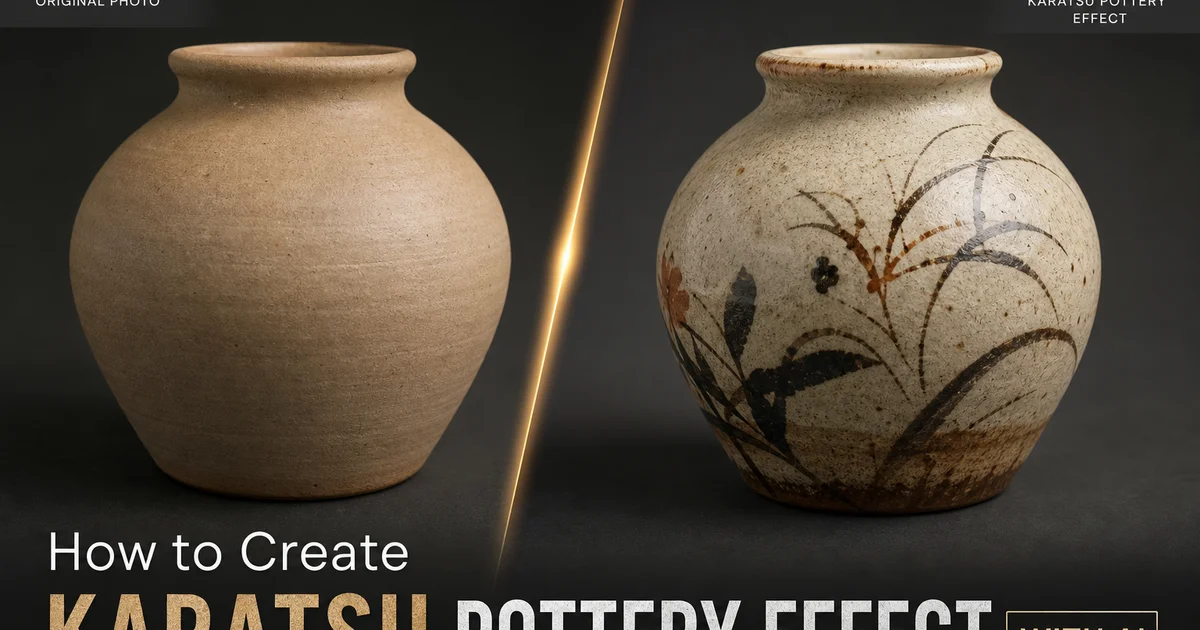
Karatsu(唐津焼)は日本で最も古く、最も尊ばれる陶磁器の伝統の一つで、十六世紀後半に九州で生まれました。鉄分を豊富に含んだ素朴な土、自然な灰釉、そして意図的に不規則さを受け入れる姿勢を特徴とするKaratsu-yakiは、わびさびの哲学を体現しています。不完全さ、無常、そして作り手の手の痕跡の中に美を見出すのです。一つひとつの作品が、釉薬の流れ、窯傷、二度と同じ焼成では再現できない表面の変化を通して物語を語ります。この美学は、同じ有機的な温かみと手仕事の趣を画像にもたらそうとするデジタルアーティストや写真家の間で熱心な支持を集めています。
かつてデジタルアートでKaratsuの陶器の風合いを再現するには、Photoshopでの膨大な手作業が必要でした。複数のテクスチャオーバーレイを重ね、釉薬効果を手描きし、カラーチャンネルを一つずつ調整し、さまざまな不透明度でひび割れパターンを合成するのです。熟練したデジタルアーティストでも一枚の画像に何時間も費やし、土の温かみと釉薬の透明感のバランスを慎重に取りながら、機械的ではなく本物らしく感じられる不規則さを保ちます。ひび割れパターンを正しく仕上げるだけでも、何十回もの試行を要することがありました。
AIを活用した写真編集ツールは、この手間のかかる工程を誰もが扱える創造的なワークフローへと変えました。元画像の階調構造と表面のディテールを分析することで、AIは大地のような色調へのシフトを的確に適用し、構図の自然な輪郭に沿った有機的な釉薬テクスチャを生成できます。実際の陶器表面のように、密度と方向が変化するひび割れパターンを作り出すのです。その結果、陶芸や高度なデジタル加工の長年の経験がなくても、Karatsuの陶器が持つ温かみとリアリズムを捉えられます。
- どんな写真も、温かい大地の色調、有機的な釉薬、本物らしいひび割れパターンを備えたKaratsu風のアート作品に変換できます。
- AI生成のテクスチャオーバーレイは、表面全体に平坦で均一なテクスチャを適用するのではなく、画像の自然な輪郭に沿います。
- 調整可能な釉薬の強度コントロールにより、控えめな陶器の温かみから、完全に描き込まれた陶器表面効果まで自在に設定できます。
- わびさびの美学は不完全さを称えるため、この効果はポートレート、風景、静物など幅広い構図に寛容で汎用的です。
- 印刷品質の作品にはフル解像度で書き出し、ウェブ表示には階調のグラデーションを保ったまま最適化できます。
本物のデジタル効果のための唐津焼の美学を理解する
Karatsuの陶器にはいくつかの異なる様式があり、それぞれ独自の視覚的特徴を持ち、デジタル効果の適用方法を左右します。E-Garatsu(絵唐津)は灰釉の下に描かれた装飾が特徴で、半透明の表面層を通して筆遣いの模様が透けて見える画像を生み出します。Madara-Garatsu(斑唐津)は、まだら状の有機的な表面模様を作り出す、斑点のある藁灰釉で知られています。Chosen-Garatsu(朝鮮唐津)は、対照的な二つの釉薬——多くは黒い鉄釉と白い藁灰釉——を組み合わせ、焼成中に予測できない反応を起こして劇的な表面の張力と色の境界を生み出します。
Karatsu-yakiの色彩パレットは九州の地質に根ざしています。地元の土は焼くと温かい茶色や灰色になります。木灰釉は、淡い藁色の黄からオリーブグリーン、深い琥珀色まで幅広い色を生み出します。本物のKaratsuの陶器には鮮やかな色や合成的な色は存在しません。すべての色合いは、火と反応する天然素材から生まれます。これをデジタル効果に置き換える際には、色変換によって現代的な色の鮮やかさを取り除き、画像が単に彩度を落としたり濁ったりして見えないよう、この大地由来のパレットに置き換えなければなりません。
Karatsuの陶器のテクスチャも同様に重要です。表面が完全に滑らかであることは決してありません。陶工の指の痕、削り工具の引きずり跡、土の粒子感、焼成中の釉薬の動きを宿しています。これらの微細なテクスチャは光と複雑に相互作用する表面を作り出し、ある部分ではマットに、釉薬がたまった部分ではほのかに艶やかに見えます。このマットと艶の相互作用を写真全体で再現することこそが、説得力のあるKaratsu効果を、ありふれたセピアフィルターと区別するものです。
- E-Garatsu、Madara-Garatsu、Chosen-Garatsuはそれぞれ、異なる陶器効果のバリエーションに対する明確な視覚的基準点を提供します。
- 本物のKaratsuの色彩パレットは、土、木灰、鉄といった天然素材から完全に生まれ、温かい茶色、オリーブグリーン、藁色の黄を生み出します。
- 表面のテクスチャはマットな土の部分と艶やかな釉薬だまりの間で変化し、陶器表面全体で複雑な光の相互作用を生み出します。
- デジタル効果は、均一なテクスチャ処理を施すのではなく、このマットと艶の相互作用を保つことで本物らしさを実現しなければなりません。
アースカラーの基盤と釉薬層の構築
説得力のあるKaratsu効果を作る最初のステップは、色の基盤を確立することです。これは単純な暖色系のカラーグレーディングを超えるものです。変換は画像の階調域全体をKaratsuのパレットへとマッピングし直す必要があります。シャドウは純粋な黒ではなく温かいチャコールへとシフトすべきです。中間調はオーカーから琥珀色の範囲へと移す必要があります。ハイライトは純白のままではなく、クリームや藁色の黄の色味を帯びるべきです。この階調の全面的なマッピングにより、画像のすべての要素が同じ陶器表面に存在しているように感じられます。
釉薬の層は、効果が立体的な質感を得る部分です。本物のKaratsuの釉薬は均一な膜ではありません。焼成中に非常にゆっくりとした液体のように流れ、くぼみにたまり、凸面では薄くなります。AIのテクスチャ生成は、画像の輝度とエッジ構造を分析して釉薬が自然にたまる場所を判断することで、この挙動をシミュレートできます。暗くくぼんだ部分にはより深い彩度で釉薬が厚くたまり、隆起した縁やハイライト部分では釉薬が薄くなり、下の土の素地がより多く見えます。
釉薬の層を合成するには、不透明度とブレンドモードを慎重に選ぶ必要があります。中程度の不透明度のmultiplyまたはsoft-lightブレンドが、最もリアルな結果を生み出すことが多く、釉薬のテクスチャを通して下地の画像ディテールを透かしつつ、陶器表面の立体感を伝えます。目指すのは、見る人が写真の内容と陶器の表面を同時に感じ取れる重層的な効果です。画像は単にフィルターをかけられたのではなく、陶器表面に描かれた、あるいは焼き付けられたように感じられるべきです。
- 階調の再マッピングは色域全体をKaratsuのパレットへと移します——温かいチャコールのシャドウ、オーカーの中間調、クリームのハイライトへと。
- AI生成の釉薬テクスチャは輝度とエッジを分析し、本物の釉薬がくぼみにたまり隆起部で薄くなる様子をシミュレートします。
- 中程度の不透明度のsoft-lightとmultiplyブレンドは、陶器表面の奥行きを伝えつつ写真のディテールを透けて見せます。
- 重層的な効果は、画像を単にカラーフィルターに通したのではなく、陶器に焼き付けたように感じさせるべきです。
本格的なひび割れパターンと最後のわびさびのタッチを追加
ひび割れ——日本の陶磁器では貫入(かんにゅう)として知られる——は、陶器の釉薬がその下の土の素地とは異なる速度で冷えて収縮する際に生じる、細い線の網目です。Karatsuの陶器では、これらのひび割れパターンはほとんど見えない髪の毛ほどの網目から、大胆で間隔の広い貫入まで多岐にわたり、それが際立った視覚的特徴になります。パターンが完全に規則的になることは決してありません。釉薬の厚み、表面の曲率、冷却の速度に応じて変化し、即座に手仕事のリアリズムを感じさせる有機的な変化を生み出します。
デジタル画像にひび割れを適用する際、パターンの密度は構図に応じて変化すべきです。釉薬が厚い部分——多くは画像の暗く下方の部分——には、より細い線でより密なひび割れの網目を持たせるべきです。釉薬が薄くなる部分——ハイライトや縁——には、より広く間隔の空いたひびを見せるか、まったく入れないようにします。この変化により、ひび割れが画像全体に押し付けられた平坦なオーバーレイのように見えるのを防ぎ、代わりに陶器表面の自然な結果のように感じさせます。
最後のわびさびの仕上げが効果を完成へと導きます。これには、縁の素地に現れる窯の雰囲気の影響を再現するための繊細な縁の暗化、灰と炎が予測できない表面模様を生み出す薪窯で焼かれたことを示唆するわずかな色の変化が含まれます。光が陶器表面で写真プリントとは異なって散乱する様子を模した、全体的なわずかなソフト化も加えます。これらの仕上げのディテールは一つひとつは繊細ですが、全体としてこの効果をテクスチャオーバーレイから説得力のある陶器作品へと変貌させます。
- ひび割れの密度は画像全体で変化させるべきです——釉薬が厚い部分に対応する箇所では密に、釉薬が薄くなる箇所では疎に。
- ひび割れの線の幅や間隔における有機的な不規則さは、押し付けたようなオーバーレイの見た目を避けるために不可欠です。
- 縁の暗化は、縁の露出した土が焼成中に酸化し色が変わる窯の雰囲気の影響を再現します。
- 全体的なわずかなソフト化は、光が滑らかな写真プリントとは異なって陶器表面で散乱する様子を模します。
How to do it
- 1
Select a photo with suitable surface texture and warm tones
Choose a photograph that has visible surface detail — portraits, still lifes, and architectural shots work well. Karatsu pottery is defined by earthy tones, subtle glaze variations. Organic irregularity, so images with warm color palettes and natural textures respond best to the effect. Avoid heavily processed or flat-colored images, as the pottery texture needs tonal variation to look convincing.
- 2
Apply the Karatsu-style warm earth tone base with AI Filter
Use AI Filter to shift the image color palette toward the trait Karatsu palette. Muted browns, warm grays, ochre, and soft cream tones. Reduce overall saturation slightly and push midtones toward amber. This base color change replicates the iron-rich clay body and natural ash glazes that define authentic Karatsu ware, giving your photo the foundational warmth of a wood-fired ceramic surface.
- 3
Add organic surface texture and glaze irregularities
Layer a ceramic surface texture overlay using AI Create to simulate the uneven glaze pooling, crawling, and pinholing trait of Karatsu pottery. Authentic Karatsu glazes are intentionally irregular. They pool thickly in recesses and thin out over ridges, creating a landscape of tonal variation across the surface. Adjust overlay opacity so the texture integrates naturally without overwhelming the underlying image content.
- 4
Introduce crackle patterns and wabi-sabi imperfections
Apply a fine crackle network across the image to emulate the crazing patterns found on aged Karatsu pottery. These crackle lines should be subtle and organic, not uniform. Thinner in some areas, wider in others, following the natural stress patterns of a ceramic glaze. This step is critical for realism because Karatsu ware celebrates imperfection as part of the wabi-sabi aesthetic that gives each piece its individual character.
- 5
Fine-tune contrast and export the finished ceramic effect
Use AI Enhance to adjust local contrast so the ceramic texture has depth. Glaze pools should appear slightly glossy while bare clay areas remain matte. Increase clarity in the midtones to bring out surface detail without sharpening to an artificial degree. Export at full resolution in PNG format to preserve the subtle tonal gradations of the pottery effect, or in WebP for optimized web display.
参考資料
- Karatsu Ware: A Living Tradition of Japanese Ceramics — The Metropolitan Museum of Art
- Japanese Pottery and Porcelain: Techniques and Aesthetics — Japan Objects
- Wabi-Sabi and the Art of Imperfection in Japanese Ceramics — Encyclopaedia Britannica