
洞窟探検家向けAI写真編集:地下世界を記録 — Magic Eraser
洞窟探検家とスペレオロジスト向けの専門的な洞窟写真編集。形成物ディテール強化、鉱物色補正、機材除去、無光環境での調査品質記録のためのAIツール。

SEO & Growth
レビュー担当 Magic Eraser Editorial ·
目次
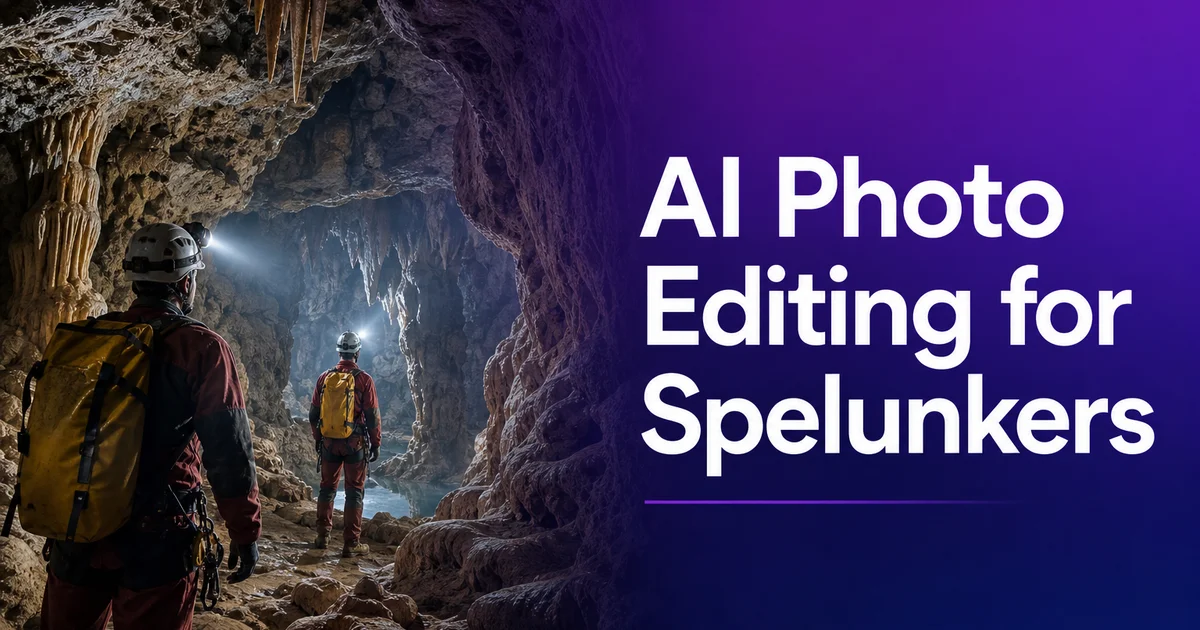
洞窟写真は、写真表現のあらゆる専門分野の中でも最も技術的に難しいものの一つであり、自然光が皆無で、極度の湿度と狭隘な空間という環境において、撮影者は照明のあらゆる要素をゼロから作り出す必要があります。さらに、形成に何十万年もかかったかもしれない、かけがえのない地質構造を損傷させる恒常的な危険も伴います。洞窟探検家と洞窟学者——それぞれ趣味の洞窟探検者と科学的な洞窟研究者——にとって、写真は個人的な探検記録やSNSでの共有から、正式な地質調査記録、学術出版物の図版まで、さまざまな目的に役立ちます。さらに、実際には決して訪れることのない人々に向けて地下世界の美しさと脆さを伝える保全活動の画像にも用いられます。注意深く照らされた洞窟で人間の目が知覚するものと、同じ条件下でカメラのセンサーが捉えるものとの品質の隔たりは、ほとんどあらゆる他の撮影環境よりも洞窟において大きいのです。
洞窟写真の根本的な課題は完全な暗闇です。地上のいかなる撮影環境とも異なり、洞窟には自然光がまったくありません。カメラが記録する情景は撮影者の人工照明によって完全に作り出され、直接照らされていない領域は写真の中で完全な黒になります。つまり、単一のフラッシュやランプの位置からは、洞窟の通路や構造の三次元的な複雑さを覆い隠す深い黒い影を伴う、硬く方向性のある照明が生じます。熟練した洞窟写真家は、情景全体に複数の遠隔発光フラッシュを配置してこれを解決しますが、十分に照らされた洞窟写真でさえ、異なる光源間の色温度の不一致や、直接のフラッシュが反射する濡れた表面に当たるホットスポットに悩まされます。さらに、限られたフラッシュ出力で広大な地下空間にわたって十分な露出を得るために必要な高ISO設定によるノイズも生じます。
AI写真編集ツールは、センサーの限界によって失われた地質情報を回復するノイズ低減とディテール強調から、正確な鉱物色記録を保証するホワイトバランス補正、実際の洞窟写真に写り込む探検機材や人物を除去するオブジェクト除去まで、洞窟写真の課題の全範囲に対応します。背景処理は比較研究のために構造を地質的文脈から分離でき、一方で強調は洞窟学者が記録のために撮影する科学データを担う結晶構造、成長縞、鉱物の着色を回復します。本ガイドは、地下での撮影から編集、書き出しまでの全工程を、洞窟写真を並外れて困難でありながら非常にやりがいのあるものにする独特の光学的・環境的条件のために特別に開発された技術とともに解説します。
- AI Enhanceは、鍾乳石の成長縞、結晶癖のディテールを回復します。さらに、携帯照明下で捉えた地質データをセンサーノイズが覆い隠す高ISOの洞窟写真から鉱物の着色も回復します。
- Magic Eraserは、入念に配置された探検照明を保ちながら、構造記録画像から洞窟探検機材、安全装備、ロープ、測量基点、人物を除去します。
- ホワイトバランス補正は、混合光源の洞窟照明全体で色温度を正規化し、方解石の白、酸化鉄のオレンジ、マンガンの黒という鉱物堆積物の正確な再現を保証します。
- Background Eraserは、比較地質研究や標準化された鍾乳石形態データベースのために、個々の構造を通路の文脈から分離します。
- 一括書き出しは、編集済みの単一マスターファイルから、調査報告書、学術出版物、探検アーカイブ、教育プレゼンテーション、SNS向けの派生物を生成します。
地下照明:形成物記録のためのフラッシュ配置戦略
洞窟内の人工照明の配置は、写真の美的品質だけでなくその科学的有用性をも決定します。光が構造表面に当たる角度は、どの地質的特徴が見え、どれが影に隠れるかを制御します。鍾乳石記録のために最も情報量の多い照明は、構造表面に対して低い角度に配置した主光を用います。成長層、結晶面、表面の質感の微地形を捉える斜光は、正面からのフラッシュなら特徴のない明るい面に潰してしまう細部を浮かび上がらせます。真下から斜光で照らした鍾乳石は、その断面に何千年もの堆積の歴史を記録する同心円状の成長縞を明らかにします。背後から照らしたフローストーンのドレープは、その形成過程を示す方解石の半透明の層を見せます。同じ構造をカメラ装着フラッシュで照らすと、判読可能な地質的ディテールのない一様な白や黄褐色の面として写ります。
マルチフラッシュの構成は、単一光源が複雑な三次元の洞窟通路に作り出す暗部を埋めることで影の問題に対処します。標準的な手法では、地質的ディテールのための主光、主光の方向性と競合せずに影を起こす一つ以上の補助光を配置します。時には構造を暗い背景から分離するために被写体の背後にリム光やヘア光を置きます。実際には、洞窟写真家はフラッシュを三脚に据えたり岩面に固定したり、チームメンバーに指定位置で保持してもらい、無線トリガーで全灯を一斉に発光させます。得られる写真は、いかなる単一の光位置でも明らかにできるよりも多くの通路を見せます。複数フラッシュの距離と角度の混在はフレーム全体に露出のばらつきを生みますが、AI強調は主光の意図的な方向性を保ちながら明るさを正規化してこれに対処します。
濡れた洞窟表面は固有の照明上の課題を呈します。水が鏡のように作用し、フラッシュがカメラに向かって直接反射する箇所では純白に飛ぶ鏡面反射を生むからです。活動中の構造——なお滴り続ける鍾乳石、なお流れるフローストーン、なお満ちつつあるリムストーンプール——は、水が進行中の地質活動を示すまさにその理由で、しばしば写真的に最も力強い被写体です。水はまた最も困難な照明条件をも作り出します。入射角がカメラレンズに向かって反射しないよう照明を配置することが主要な緩和策です。複雑な湿潤環境では一部の鏡面ハイライトは避けられません。AI処理は飛んだハイライトを回復可能なレベルまで下げ、元の露出が鏡面の露出過多で失った水の反射の下の構造ディテールを明らかにできます。
- 低角度の斜光は、カメラ装着フラッシュが特徴のない明るい面に潰してしまう鍾乳石の成長縞、結晶面、表面の微地形を明らかにします。
- マルチフラッシュの主・補・リム構成は複雑な三次元通路を照らし、AIは混在するフラッシュ距離と角度による露出のばらつきを正規化します。
- 薄い構造——ソーダストロー、ベーコンストリップ、半透明のドレープ——への逆光は、科学的記録のために形成過程を示す内部の方解石の層を明らかにします。
- AI鏡面ハイライト回復は、鏡面角を避けるための照明配置が不可能な活動中の濡れた表面において、水の反射の下の構造ディテールを復元します。
形成物強化:結晶構造、成長縞、鉱物着色
鍾乳石類に見える地質的ディテール。滴る水、流れる水、滲み出る水からの鉱物堆積によって作られる洞窟構造は、地下撮影の大きな労力を正当化する科学データを担います。鍾乳石と石筍は断面にすると同心円状の成長縞を見せ、各縞は鉱物堆積の一期間を記録し、その厚さは方解石析出の速度に対応し、その化学組成は形成時の地表の気候条件の記録を保存しています。フローストーンは年輪のように読める層状の縞を見せ、密と疎の層が交互に水の化学組成と流量の季節変動を反映します。これらの成長特徴を狙ったAI強調は、ほぼ同じ色調で写る、わずかに密度・組成・結晶構造の異なる隣接層の間のコントラストを高めることで縞の視認性を向上させます。
結晶癖——鉱物が自由に成長するときにとる特徴的な形——は、洞窟写真家が明瞭に捉える必要のある診断的な鉱物学的情報を提供します。方解石は、巨大な結晶塊から繊細な犬牙状スパー結晶、釘頭状スパーまで、さまざまな形で現れます。さらに偏三角面体方解石の六角柱もあります。Aragoniteは針状結晶、霜状の集合体、そして見たところ重力に逆らう方向に成長する奇妙なヘリクタイトを形成します。Gypsumは半透明の透石膏結晶、巻き上がる石膏の花、毛髪状のエンジェルヘア構造を生み出します。それぞれの結晶癖は鉱物種とそれが形成された条件にとって診断的です。AI Enhanceは結晶の縁を鮮明にし、結晶性鉱物の透明・半透明の性質を回復します。さらに、スマートフォンのカメラや高ISOのDSLRさえもぼかしがちな結晶面の幾何形状の視認性を高めます。
洞窟内の鉱物の着色は、形成の化学的環境と堆積する水中の微量元素の存在についての情報を提供します。純粋な方解石は白または無色ですが、酸化鉄の染みはオレンジや赤を作り出します。さらに多くの洞窟に共通する茶色の着色もあります。酸化マンガンの堆積は黒い被膜と樹枝状結晶を生みます。銅鉱物はまれな緑や青の堆積を作ります。地表の土壌から岩を浸透するフミン酸は構造を黄褐色や茶色に染めることがあります。これらの色は科学的に重要であり、写真で正確に再現されなければなりません。つまり、AIの色強調は、保持すべき本物の鉱物着色と、補正すべき光源由来の色汚染とを区別しなければなりません。最良の手法は、全体の色温度を中立な基準に補正しながら、鉱物色の領域の彩度を選択的に高めることです。
- 成長縞の強調は、わずかに密度と組成の異なる隣接堆積層の間のコントラストを高め、鍾乳石とフローストーンの断面に古気候の記録を可視化します。
- 結晶癖の鮮鋭化は、高ISOノイズとセンサーの限界がぼかす診断的な鉱物幾何形状——犬牙状方解石、aragoniteの針、透石膏の板、石膏の花——を回復します。
- 鉱物の着色は化学的形成データを担います。酸化鉄の赤、マンガンの黒、銅の緑は、AIが光による色汚染と区別する正確な色再現を必要とします。
- 選択的な彩度強調は、全体の色温度を補正しながら本物の鉱物色を保ち、洞窟環境全体にわたって科学的に正確な色彩記録を保証します。
機材除去と調査記録のためのクリーンなドキュメント
洞窟測量写真は、洞窟学コミュニティ内で正式な記録目的を果たし、測量精度の通路図、地質目録、構造カタログに付随する視覚的記録を提供します。測量写真は洞窟を自然の状態で示す必要があります。つまり、実際の洞窟写真がしばしば捉える大量の人間の機材を除去することを意味します。垂直通路へのアクセスに使うロープと梯子、番号タグと反射テープで標識された測量基点、サンプや複雑な通路に張られたガイドロープ、ロープ設置のために岩に打ち込まれたボルトアンカー。さらに照明機材そのものまで、すべてが実施中の測量探検中に撮られた写真に写り込みます。Magic Eraserは、それらの背後の洞窟表面を保ちながらこれらの要素を除去し、機材が部分的に隠していた自然の岩の質感、構造ディテール、通路の幾何形状を再構成します。
スケール基準の管理は、洞窟写真から機材を除去する際の重要な検討事項です。測量写真と科学写真には慣例的にスケール基準が含まれます。較正されたバー、見慣れた物体、あるいは時には大きさの比較のために配置された洞窟探検者——これらは、示された構造と通路の寸法を見る者が判断できるようにします。クリーンな記録のために人物と機材を除去する際、スケール基準は目立たなければ保持するか、除去処理の後にグラフィックオーバーレイとして追加した標準スケールバーに置き換えるべきです。目標は、科学的に必要な寸法情報を標準化された形式で保持したクリーンな洞窟画像です。AI処理は基盤となる除去を担い、一方で写真家はどの基準要素が記録目的に資し、どれが視覚的な雑然さを構成するかの判断を下します。
ビフォーアフターの記録は科学と啓発の両方の目的を果たします。Magic Eraserは、同じ構造や通路を人間の存在の有無で示す対になった画像の作成を可能にします。洞窟探検者がいる版は、スケールとアクセスの難しさを示し、地下の場所に到達し記録する物理的な困難を伝えます。洞窟探検者がいない版は、手つかずの地質的被写体を示し、保全を動機づける自然の美しさと科学的関心を伝えます。これらの対画像は、助成金申請、保全啓発に主として効果的です。さらに、聴衆が洞窟科学に関わる人間の労力とその労力が明らかにするものの自然の意義の両方を理解する必要のある教育展示にも有効です。AI除去が元の露出のすべての地質ディテールを保つクリーンな結果を生み出すとき、一枚の元写真から両方の版を維持することは容易です。
- Magic Eraserは、ロープ、測量基点、反射マーカー、ボルトアンカー、照明機材を除去し、それらが部分的に隠していた自然の洞窟表面を再構成します。
- スケール基準の管理は、機材除去の際に寸法指標を保持または置換し、標準化された記録形式で科学的測定能力を維持します。
- ビフォーアフターの対画像は、探検の困難と自然の地質的意義の両方を伝える啓発のために、同じ構造を人間の存在の有無で示します。
- 測量精度の記録は、実際の探検写真に見える探検インフラのない、自然の通路状態を表すクリーンな洞窟画像を必要とします。
クリエイティブ洞窟写真:パノラマ通路、ライトペインティング、保全ストーリーテリング
正式な記録を超えて、洞窟写真はAI編集が高め拡張する並外れた創造的可能性を提供します。パノラマ通路写真は、複数の露出をどんな単一の写真にも収まりきらない空間の全容積を示す広角または全天球画像につなぎ合わせることで、広大な地下空間の雄大なスケールを捉えます。AI処理は、異なるフラッシュ位置で撮られたフレーム間の露出と色温度のばらつきを正規化し、隣接フレームが異なる角度から照らされたときに生じる目立つ継ぎ目を減らすことで、パノラマのつなぎ合わせを改善します。その結果は大きな洞窟通路の畏敬を誘うスケールを捉えます。天井高が数十メートルにも及ぶ大聖堂規模の空間、刻まれた峡谷通路を流れる地下河川、構造があらゆる方向に伸びる装飾されたギャラリー——これらの場所に実際に立つ空間的体験を伝える画像として。
ライトペインティングは、撮影者が安定した光源を情景の中で動かし、一枚のフレームの間に異なる領域を徐々に照らしていく、長時間露光を用いる洞窟写真の技法です。この技法は、フラッシュ撮影の硬い影や鏡面ハイライトなしに通路の三次元形状全体を明らかにする、柔らかく均一な照明を持つ独特の趣ある画像を生み出します。しかし、ライトペインティングはしばしば動く光源の痕跡を捉えます。ヘッドランプの光線、光る筋、あるいは長時間露光の中で幽霊のようにぼやけた撮影者の体。AI処理はライトペインティング画像からこれらのアーティファクトを除去し、それが生み出した美しく均一な照明を保ちながら照明過程の痕跡を取り除きます。その結果は、ライトペインティングの趣ある品質と、完璧に照らされた静的画像のクリーンで機材のない見た目とを兼ね備えます。
洞窟写真を通じた保全のストーリーテリングは、洞窟を決して訪れないかもしれない人々に地下世界の脆さとかけがえのなさを伝えます。鍾乳石類の美しさを余すところなく明らかにするAI強調画像。活動中の鍾乳石の半透明の輝き、損なわれていない構造の結晶的な完璧さ、ヘリクタイトと霜状結晶の繊細な複雑さ——これらは洞窟保護の強力な論拠となります。不注意な訪問者によって構造が折られ、泥の手形で汚され、あるいは地下水文に影響する地表の土地利用の変化で劣化した損傷領域と、手つかずの部分とを並べて示す比較画像は、保全の主張を視覚的に力強いものにします。AI強調は、無傷の構造の美しさと劣化したものの損傷の両方が明瞭に見えることを保証します。Magic Eraserは、損傷した構造が無傷であればどう見えたかを示し、不注意なアクセスが破壊するものの胸を打つ可視化を作り出せます。
- パノラマのつなぎ合わせは、フレーム間のAI露出・色正規化の恩恵を受け、隣接画像が異なるフラッシュ位置から照らされた箇所の継ぎ目を減らします。
- ライトペインティングのアーティファクト除去は、長時間露光からヘッドランプの痕跡、光の筋、幽霊のような撮影者のぼやけを取り除きながら、雰囲気のある均一な照明を保ちます。
- 保全のストーリーテリングは、地下地質遺産のかけがえのなさを視覚的に伝えるために、AI強調された手つかずと損傷した構造の比較を用います。
- 損傷構造のAI再構成は、折れ、汚れ、劣化した鍾乳石類が無傷であればどう見えたかを示し、洞窟保護の強力な視覚的論拠を作り出します。
How to do it
- 1
Photograph cave formations and passages with portable lighting that reveals geological detail
Set up cave photography with multiple portable flash units or LED panels positioned to reveal the three-dimensional form of speleothems, passage walls. Geological features in an setting that has zero ambient light. The complete absence of natural light means every photon in a cave photograph comes from the photographer's equipment, making lighting placement the single most important creative and technical decision. Position key lights to rake across formation surfaces at low angles that reveal the layered growth bands of stalactites, the flowstone drapery folds, the crystal structures of helictites. The delicate features of soda straws and cave pearls. Use fill lights to open shadows in complex three-dimensional passages without flattening the depth that makes cave photography strong.
- 2
Remove equipment, personnel, and safety gear from formation documentation images
Use Magic Eraser to remove the caving equipment, safety gear, and personnel that appear in cave photographs. Helmets, headlamps, ropes, ladder systems, survey stations, reflective markers, and the cavers themselves who may have been positioned to provide scale but whose presence distracts from the geological subject. Cave photography in active exploration settings in time captures the infrastructure of the expedition alongside the natural features being documented. Magic Eraser isolates the geological formations from the human elements, creating clean records images that show the cave as a natural setting while keeping the lighting that the expedition team carefully set up.
- 3
Enhance formation detail, crystal structure, and mineral coloration with AI Enhance
Apply AI Enhance to recover the geological detail that camera sensors struggle to capture in cave settings. The banding patterns in cross-sectioned stalactites that record thousands of years of mineral deposition, the crystal habit of calcite, aragonite, and gypsum formations, the iron oxide and manganese coloration that creates the red, orange, and black mineral staining on cave walls, and the translucency of thin formations like bacon strips and soda straws where backlighting reveals internal structure. Cave photographs are often shot at high ISO to compensate for the limitations of portable lighting, introducing noise that obscures fine detail. AI boost recovers this detail while reducing the noise that degrades it.
- 4
Correct white balance and color temperature for accurate mineral color documentation
Use AI processing to correct the color temperature inconsistencies that plague cave photography where mixed lighting sources. Daylight-balanced LED panels, warm-toned tungsten modeling lights, and neutral flash units — illuminate different parts of the same scene with different color temperatures. The accurate reproduction of mineral colors is key for geological records: the white of pure calcite, the orange of iron-stained flowstone, the blue-gray of cave moonmilk. The black of manganese oxide deposits each provide mineralogical information that incorrect white balance can distort. AI color correction normalizes the color temperature across the entire image while keeping the true mineral colors that carry scientific significance.
- 5
Export cave images for survey reports, scientific publications, and expedition documentation
Save edited cave photographs at full resolution for survey report integration, scientific publication submission. Expedition archive records, then create derivatives for display use, social media sharing, and educational outreach. Survey reports need images keyed to passage maps with consistent orientation and scale reference. Scientific publications require high-resolution formation detail photographs with accurate color and embedded metadata. Expedition records benefits from both clean formation images and separate versions that show the exploration context with personnel and equipment visible. Batch export handles the full range of output needs from a single edited master file.
参考資料
- Cave Photography Techniques: Lighting Underground Environments for Scientific Documentation — National Speleological Society
- Speleothem Science: Formation Processes, Photography, and Conservation — Cambridge University Press
- Cave Survey and Mapping: Standards for Documentation and Digital Cartography — British Cave Research Association