
藻類学者向けAI写真編集 — Magic Eraser
藻類学者がAI写真編集を藻類標本記録、珪藻形態計測、有害藻類ブルームのモニタリング、大型藻類の分類にどう活用するか。珪殻パターンの強化、培養アーティファクトの除去、出版対応の藻類学画像の作成。

Content Lead
レビュー担当 Magic Eraser Editorial ·
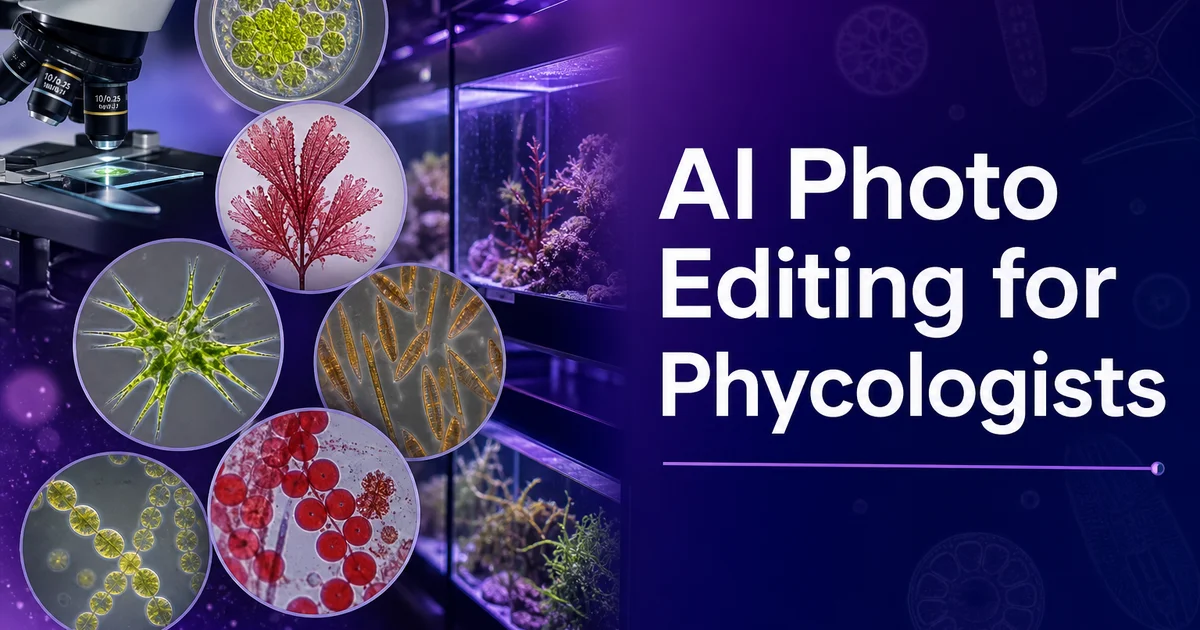
藻類学——藻類を研究する科学分野——は、マイクロメートル単位で測られる単細胞の珪藻から、全長六十メートルを超える巨大なコンブまで、膨大な範囲の生物を扱う。写真記録は、この全サイズ域にわたって種の同定、形態解析、生態モニタリング、そして数世紀にわたる分類学的成果を保存する標本館コレクションのデジタル化に不可欠である。世界には推定七万二千種の藻類が存在し——分子研究が形態解析だけでは見えない隠蔽種を明らかにするにつれてその数は増え続けている——巨視的および顕微的スケールの双方で明瞭で詳細かつ標準化された写真を作り出す能力は、藻類系統学、生態学、そして養殖・環境モニタリング・バイオ燃料研究を支える応用藻類学の進歩にとって根幹をなす。
藻類学における写真撮影の課題は独特であり、極端な倍率スケールにまたがる。大型藻類は、自然の海洋または淡水生息地における生きた標本としても、押し葉にして乾燥させた標本シートとしても撮影しなければならない。照明、色彩、寸法的特性が根本的に異なる二つの文脈である。微細藻類は複合顕微鏡を必要とし、生物固有の透明性、小さなサイズ、水封標本中で動く傾向が、根本的な撮像上の困難を生み出す。珪藻の分類学——地球上で最も種の豊富な生物群の一つの中での種同定——は、マイクロメートルの何分の一かで測られる特徴を持つシリカ被殻の模様を撮影することに依存し、標準的な光学顕微鏡をその解像限界まで押し上げる。そして有害藻類ブルームのモニタリングは、混合プランクトン群集の画像から対象生物を同定・計数しなければならない野外試料の迅速な処理を要求する。
AI写真編集ツールは、これらの藻類学的撮影課題に対し、本来多大な研究時間を費やす後処理工程を自動化することで対応する。背景除去は、藻類の形態を覆い隠す複雑な海洋基質、培養培地、標本館のマウント材料から標本を切り離す。ディテール強調は、あらゆるスケールで分類学的同定を左右する微細な構造的特徴——珪藻の条線模様、大型藻類の生殖構造、糸状藻の細胞壁境界——を回復させる。Magic Eraserは、気泡、封入媒体の欠陥、培養汚染物などの作製アーティファクトを顕微鏡画像から除去する。野外採集、実験室解析、教育、出版の責務を同時に担う藻類学者にとって、効率的なAI支援画像処理は分類記録と生態モニタリングの進展を直接加速させる。
- 背景除去は、大型藻類を絡み合った多種の岩礁群集から、微細藻類を培養培地・フラスコの反射・混合プランクトン試料から切り離す。
- AI強調は珪藻被殻の模様——マイクロメートルで測られる条線・点紋・縦溝・肋——を鮮明にし、光学顕微鏡画像の可視ディテールを光学限界へと押し上げる。
- Magic Eraserは、カバーガラスの気泡、封入媒体のアーティファクト、細菌汚染、焦点外の影を、透明な藻類細胞の複合顕微鏡画像から除去する。
- バッチ処理は、異なる顕微鏡構成・カメラ・照明設定にまたがる野外調査・標本館訪問・実験室作業からの画像を標準化する。
- エクスポートワークフローは、スケール較正付きの分類データベース、300DPIの学術出版、種注釈付きの有害藻類ブルームモニタリング報告のための派生物を生成する。
コンブ林から珪藻の殻まで、多スケール撮影の課題
藻類学の記録は、おそらく他のどの生物学分野よりも多くの桁にまたがる。宇宙から見える海洋規模の藻類ブルームの衛星リモートセンシングから、ナノメートル分解能での珪藻殻微細構造の電子顕微鏡まで。これらの両極の間で、実務の藻類学者は日常的に、生息地スケール(潮間帯の帯状分布、コンブ林の林冠)、生物スケール(大型藻類の個々の葉状体形態)、組織スケール(葉や柄の解剖断面)、細胞スケール(個々の藻類細胞や群体の光学顕微鏡)、亜細胞スケール(葉緑体の配置、ピレノイド構造、鞭毛の付着位置)で撮影する。各スケールは異なる機材、照明、処理手法を要求する。最終的な出版物やデータベース項目は、関連するすべてのスケールの画像を一貫した比較可能な形式で提示しなければならない。
巨視スケールでは、海藻と淡水大型藻類の野外撮影は自然生息地の視覚的複雑さに直面する。岩礁潮間帯の写真には、無脊椎動物と密接に混ざり合って生育する数十種の藻類が写り込むことがある。対象種を視覚的に分離するには、物理的採集(標本を文脈から取り除く)か、元画像中の生態的文脈を保ちつつ種をデジタル的に切り離す後処理のいずれかが必要となる。AIによる背景処理は両方の選択肢を提供する。分類記録のための完全な分離と、生態的図示のために対象種を強調しつつ周囲の群集を暗くする選択的強調である。
顕微スケールでの根本的課題は、ほとんどの藻類細胞が部分的または完全に透明であり、標準的な明視野顕微鏡では細胞境界・内部構造・同定に必要な診断的特徴が背景とほとんど区別できない低コントラスト画像しか得られないことである。位相差顕微鏡や微分干渉(DIC)顕微鏡は可視性を大きく改善するが、独自のアーティファクトを生む。位相差での細胞周囲のハロ、DICでの陰影効果——これらが微細なディテールを覆い隠すことがある。各顕微法の固有の光学的特性に合わせて調整したAI強調は、これらのアーティファクトを抑えつつ真の生物学的構造を増幅し、生の光学系が提供するよりも清明で情報量の多い顕微画像を生み出す。
- 藻類学の記録は衛星からナノメートルまでのスケールにまたがる——生息地・生物・組織・細胞・亜細胞の撮影はそれぞれ異なる機材と処理を要する。
- 岩礁潮間帯の複雑さは、分類・生態双方の記録のために、共存する数十種の藻類や無脊椎動物から対象種を分離するAIを必要とする。
- 透明な藻類細胞は低コントラストの明視野画像を生む。位相差とDICは可視性を改善するがハロや陰影を生じ、それをAI強調で抑制できる。
- 出版物やデータベースでの多スケール画像の一貫した提示には、異なる顕微鏡・光学系・照明設定にわたるAIによる正規化が必要である。
珪藻の分類学と被殻形態計測の記録
珪藻——フラスチュールと呼ばれる精緻な模様のシリカ細胞壁に包まれた単細胞藻類——は、地球上で最も種の豊富な生物群の一つであり、隠蔽多様性の評価方法に応じて二万から二十万種を超えると推定される。珪藻の同定は被殻弁の形態にほぼ完全に依存する。輪郭の形状、条線(孔の列)の模様と密度、縦溝(運動を可能にする裂け目)の有無と形態、そして肋・隔壁などの構造的特徴の配置である。これらの特徴はマイクロメートルで測られ、条線密度——十マイクロメートルあたりの条線数で表される——は、計数のために個々の条線を分解できるほど鮮明な画像を要する主要な同定形質である。光学顕微鏡画像中の被殻模様の可視性を最大化するAI強調は、珪藻分類学を推進する形態計測を直接可能にする。
永久プレパラート用の珪藻作製は、有機細胞内容物を酸で溶解し、清浄化した被殻を洗浄し、高屈折率媒体でガラススライドに封入することを含む。ほぼ二世紀にわたって洗練されたこの工程は優れた永久標本を生むが、AI処理で対処できる特有のアーティファクトを導入する。洗浄が不完全で、弁の模様を覆い隠す有機残渣が残ることがある。被殻は割れたり、傾いたり、重なったりすることがある。形態計測作業に有用なのは、完全で無損傷の模様を持ち弁面で平らに横たわる被殻のみである。封入媒体には気泡やごみが含まれることがある。Magic Eraserはこれらのアーティファクトを除去し、一枚に数千の標本を含みうる作製物から個々の清浄な被殻をよく分離し、研究者が分類解析に必要な、よく配向した無損傷の標本を効率的に同定・記録できるようにする。
歴史的な珪藻スライドコレクション——一部は十九世紀半ばにさかのぼり、数百種の基準標本を代表する——の継続的なデジタル化は、珪藻系統学にとってAI画像処理をますます不可欠なものにしている。歴史的標本はしばしば、加齢により黄変してスライドの光学的性質を変化させた封入媒体を用いていた。ラベルは退色または損傷していることがある。被殻自体は変化していない——シリカは本質的に永続的だからである——が、歴史的スライドの撮像条件は現代の標本と大きく異なり、得られる画像を現代の資料と比較するために標準化する色補正・コントラスト強調・アーティファクト除去を要する。これら歴史的スライドのアーティファクトを常に処理するAIバッチ処理は、珪藻分類学者が参照資料にアクセスする方法を変えつつある、かけがえのない基準コレクションの大規模デジタル化を可能にする。
- 珪藻の同定は被殻弁の形態——マイクロメートルで測られる条線密度・縦溝形態・輪郭——に依存し、形態計測の計数のために最大の画像鮮明度を要する。
- Magic Eraserは酸洗浄残渣、割れたり傾いたりした被殻、封入媒体のアーティファクトを除去し、数千の個体を含むスライドから清浄な弁面標本を分離する。
- 千八百年代にさかのぼる歴史的珪藻スライドコレクションは、黄変した媒体に対する色補正とコントラスト強調を要する——シリカ被殻自体は本質的に永続的である。
- AIバッチ処理は、ほぼ二世紀にわたり異なる手法で作製された標本にわたって画像を標準化し、かけがえのない基準コレクションの大規模デジタル化を可能にする。
有害藻類ブルームのモニタリングと迅速な野外試料処理
有害藻類ブルーム——人の健康、海洋生態系、沿岸経済を脅かす毒素産生藻類の急速な増殖——は世界的に頻度と深刻さを増しており、その管理は水試料からの原因種の迅速な同定と定量に依存する。環境機関、水道事業者、公衆衛生当局が運営するモニタリングプログラムは、ブルーム発生時に数百の試料を採取し、各試料は顕微鏡で調べてブルーム種を同定し、海水浴場閉鎖・漁業禁止・飲料水勧告を要する毒素閾値を超えたかを判断する細胞濃度を推定しなければならない。この顕微評価の速度と精度は公衆衛生保護に直接影響する。遅延または誤った同定は、誤報による不要な経済的混乱か、見逃しによる危険な曝露のいずれかをもたらしうる。
AI画像処理は、実際の水試料を特徴づける混合プランクトン群集中の診断的特徴の可視性を高めることで、ブルーム試料の顕微評価を大きく加速する。ブルーム試料は単一種の純粋培養を含まない。ブルーム生物が他の数十種の藻類、動物プランクトン、細菌、堆積粒子、有機残渣と混ざり合っている。対象種を同定・計数するには、本質的に顕微倍率での生物学的なウォーリーを探せのパズルにおいて、表面的に類似した生物からそれを区別する必要がある。細胞形態、葉緑体模様、毒性渦鞭毛藻の装甲板模様のような特徴的な特性を鮮明にするAI強調は、専門の藻類学者ほどの分類学的専門知識を持たないモニタリング技術者にとって特に、この同定をより速く信頼できるものにする。
ブルームの範囲のドローンおよび衛星リモートセンシング画像は、顕微解析に欠ける空間的文脈を提供する。ブルームがどこで拡大しているか、水域全体にどう分布しているか、どの海水浴場や取水口が脅かされているかを示す。これらのリモートセンシング画像は、藻類バイオマスを堆積物・溶存有機物・浅水の底面反射から区別する微妙な水色変化からブルームの範囲を正確に地図化するため、色補正と強調を要する。照明条件を正規化し、太陽グレアと水面波の反射を抑え、藻類色素のスペクトル特性を強調する航空ブルーム画像のAI処理は、生画像よりも正確なブルームマップを生み、環境管理者がブルーム発生時に必要とする迅速な空間評価を支える。
- ブルームモニタリングは混合プランクトン試料からの迅速な顕微同定を要する——速度と精度が、公衆衛生勧告が正しく適時に発出されるかを直接決める。
- AI強調は複雑な混合試料中の診断的特徴を鮮明にし、毒性渦鞭毛藻の板模様やシアノバクテリアの細胞形態のより速い同定を可能にする。
- ドローンおよび衛星のブルーム画像は、バイオマス上昇を示す微妙な水色変化から藻類の範囲を正確に地図化するため、色補正と太陽グレア除去を要する。
- ブルーム発生時に数百のモニタリング試料をバッチ処理することは、海水浴場閉鎖や水勧告の対応時間を決める実験室のスループットを加速する。
標本館のデジタル化、教育普及、出版ワークフロー
世界の藻類標本館コレクション——世界中の自然史博物館と大学コレクションにわたり数百万の標本と推定される——は、三世紀以上の収集を通じて集積された藻類生物多様性のかけがえのない記録を表す。標本館シートに複数言語の手書きラベルとともにマウントされた押し葉海藻標本は、数十年または数世紀の保管にもかかわらず、しばしば顕著な形態的詳細と元の色素の一部さえ保持する。これらのコレクションのデジタル化には、各標本シートを撮影し、標本の形態を保ちつつマウント紙・ラベル・接着剤の視覚的雑然さを除去し、データベース統合のために画像を標準化することが必要である。AIによる背景除去と色補正は、大きく異なる歴史的慣行のもとでマウントされた標本から清浄で標準化されたデジタル記録を生み、現代の藻類系統学と生物地理学が要求する地球規模の比較解析を可能にする。
藻類学の教育普及は、小さなサイズと馴染みのなさという二重の課題に直面する。ほとんどの人は珪藻や渦鞭毛藻を意識して見たことがなく、浜辺で出会う一般的な海藻すら同定したことがない。AI強調された顕微画像は、微細藻類の隠れた世界を、肉眼では見えない生物の並外れた美しさと幾何学的複雑さを明らかにする視覚的に力強いコンテンツへと変える。紅藻のフラクタル状の分岐、珪藻の宝石のようなシリカ建築、渦鞭毛藻の生物発光の閃光、そして生産性で陸上林に匹敵する巨大なコンブ林。これらの物語はすべて、AI処理が標準的な顕微鏡と野外撮影機材から実現可能にする高品質画像を通じて最もよく語られる。
藻類学研究の出版ワークフローは複数の出力ニーズに応えなければならない。分類記載には、スケール情報を埋め込んだ複数の倍率レベルで診断的特徴を示す図版が必要である。生態研究には、生物レベルの記録とともに野外文脈の画像が必要である。ブルームモニタリング報告には、種注釈と細胞計数データを伴う迅速処理画像が必要である。各出力タイプについて、AI処理は生の素材から最終的な出版形式への変換を効率化する。研究内のすべての画像に一貫した強調・背景処理・色補正を適用し、元の写真が撮影された多様な条件にかかわらず最終的な表示が視覚的に首尾一貫するようにする。
- 押し葉海藻標本のデジタル化には、数世紀にわたる多様なマウントと保存の慣行にわたって画像を標準化するための背景除去と色補正が必要である。
- 教育普及は不可視の微細藻類を魅力的な視覚コンテンツへと変える——珪藻の幾何学、渦鞭毛藻の構造、コンブ林の生態系がAI強調画像を通じて明らかになる。
- 分類記載には多スケールの図版が必要、生態研究には野外文脈が必要、ブルーム報告には迅速な種注釈が必要——AIはすべての出力形式を効率化する。
- 多様な素材条件にわたる一貫したAI処理は、データ収集時に使われた異なる顕微鏡・照明・野外機材にかかわらず、視覚的に首尾一貫した出版物を生む。
How to do it
- 1
Photograph algal specimens with standardized lighting for both macro and microscopic scales
Set up photography stations for the multiple scales phycological records requires. For macroalgae — kelps, rockweeds, sea lettuce. Other large seaweeds — use diffused overhead lighting with a neutral background and a scale bar in every frame, photographing both fresh wet specimens showing natural color and form and pressed herbarium sheets showing the flattened morphology used in taxonomic collections. For microalgae — diatoms, dinoflagellates, green algae. Cyanobacteria — use compound microscopy with brightfield, phase contrast, or differential interference contrast optics depending on the organism and the features being documented. Include a calibrated micrometer image for every magnification setting used.
- 2
Remove backgrounds to isolate algal specimens from substrates and culture media
Use Background Eraser to isolate algal specimens from the visually complex backgrounds they naturally present. Macroalgae photographed in the field grow on rocks, other algae, coral. Wood in tangled multi-species communities that make individual species difficult to distinguish. Laboratory cultures often have colored media, condensation on flask walls, and reflections from glass or plastic containers. Pressed herbarium specimens sit on mounting paper with handwritten labels, adhesive residue. Sometimes multiple species mounted on a single sheet. Background removal standardizes all these variable contexts to a clean, neutral backdrop that allows the algal morphology to be seen clearly for spotting and comparison.
- 3
Enhance fine morphological details critical for algal taxonomy and identification
Use AI Enhance to sharpen the diagnostic features that drive algal spotting at every scale. For macroalgae, enhance the branching pattern, holdfast structure, blade texture. Reproductive structures (conceptacles, sori, and sporangia) that distinguish genera and species. For diatoms, maximize the visibility of the silica frustule's valve pattern. The striae, puncta, raphe, and costae that are the primary spotting characters measured in micrometers. For filamentous algae, sharpen cell wall boundaries, chloroplast shape and arrangement, and the reproductive structures that separate morphologically similar genera. AI boost recovers fine detail from microscope images where optical resolution limits, vibration. The inherent transparency of many algal cells reduce the contrast of diagnostic features.
- 4
Remove preparation artifacts and culture contaminants from microscope images
Use Magic Eraser to clean up the artifacts that sample preparation introduces to microscope images. Air bubbles trapped under coverslips, debris from mounting media, bacterial contamination in cultures, sediment particles mixed with planktonic samples, and the out-of-focus shadows of organisms above or below the focal plane in thick water mounts. For diatom preparations, which involve acid-cleaning frustules and mounting them for good on glass slides, remove the residual organic matter, mounting medium irregularities. Overlapping frustules that obscure the valve patterns needed for spotting. Clean micrographs with individual specimens clearly isolated against uniform backgrounds are important for the morphometric measurements that modern diatom taxonomy demands; edited images should remain traceable to the original microscope files for scientific review.
- 5
Export images for taxonomic databases, bloom monitoring reports, and research publications
Save microscope images at maximum resolution with embedded scale information for integration into algal taxonomy databases and automated spotting systems that use valve morphometry for diatom classification. Create publication-ready figure plates at 300 DPI minimum showing diagnostic features at multiple magnification levels for journal submissions. For harmful algal bloom monitoring, prepare clear field-condition images with species annotations for the rapid assessment reports that environmental agencies and water utilities need during bloom events. For educational outreach, create annotated versions that label key morphological features for students and citizen scientists learning to identify common algal taxa in local waterways.
参考資料
- Photographic Standards for Algal Specimen Documentation and Herbarium Digitization — International Phycological Society — Phycologia
- Light Microscopy Techniques for Diatom Identification and Morphometric Analysis — Journal of Phycology — Phycological Society of America
- Remote Sensing of Harmful Algal Blooms: Satellite and Drone-Based Monitoring Methods — NOAA National Ocean Service — Harmful Algal Blooms Program