
灌流技師向けAI写真編集:回路と機器の記録 — Magic Eraser
灌流技師と心血管灌流チームのための専門的な写真編集。回路記録、機器写真、HIPAA準拠の匿名化、トレーニング資料作成のためのAIツール。
SEO & Growth
レビュー担当 Magic Eraser Editorial ·
目次
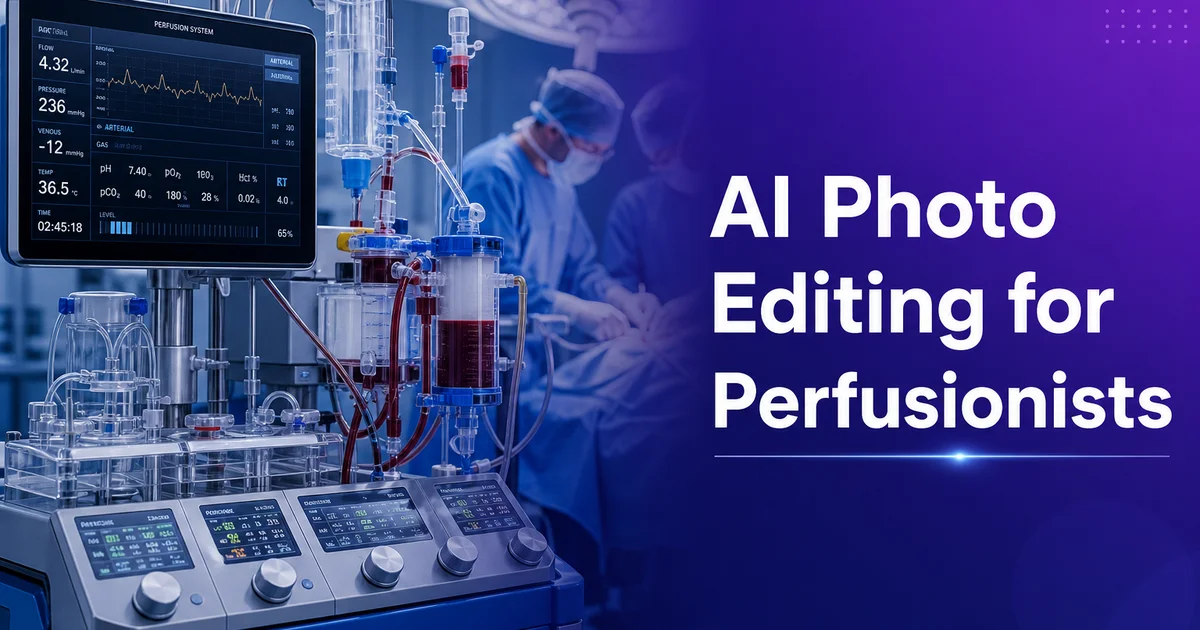
心血管系の灌流技師は、開心術や人工心肺を必要とするその他の手技の間、患者の生命を維持する心肺装置を操作します。その業務の記録には、汎用的な写真編集ツールでは決して対応できない高度に専門的な撮影上の課題が伴います。すべての人工心肺症例は、いわばオーダーメイドの生命維持システムである回路構成を生み出します。人工肺、静脈リザーバ、動脈フィルタ、熱交換器、ポンプヘッド、そして患者と手技の個別の必要性に応じて組み立てられた数メートルの連結チューブ。これらの構成を写真で記録することは、品質保証、継続教育、症例検討、新人灌流技師の訓練にとって不可欠です。さらに、灌流の実践を発展させる専門文献への寄与にもつながります。
灌流業務の撮影環境は、あらゆる職業の中でも最も難しいものの一つです。手術室は強烈な無影灯で照らされ、心肺装置の反射面に厳しい影と白飛びを作り出します。人工心肺回路そのものは、写真上で目視で追跡することがほぼ不可能な数十本のチューブで接続された、透明・半透明のプラスチック部品が密集した集合体です。患者モニタリング機器、麻酔器、手術器具、スタッフが視野に密集します。最も重要なのは、手術室には保護対象保健情報が大量に存在することです。モニター上の患者名、リストバンドの診療記録番号、スタッフの顔や施設の識別情報——これらは、十分な匿名化なしに共有されれば、すべての写真を潜在的なHIPAA違反のリスクにしてしまいます。
AI写真編集ツールは、灌流写真を困難でコンプライアンスに敏感なものにする特有の課題を解決します。背景除去とオブジェクト消去により、教育や出版に使用する前に、患者を特定できる要素や施設固有の詳細を画像から取り除き、徹底したHIPAA匿名化を可能にします。AIブーストは回路の詳細を回復します。部品ラベル、チューブの接続部、液体のレベルや色——手術室の照明条件が飛ばしたり覆い隠したりするものです。選択的なオブジェクト除去は、記録対象の特定の部品や接続部を周囲のチューブや機器の絡まりから分離することで、複雑な回路写真を単純化します。本ガイドは、手術室での撮影から匿名化・補正済みの出版可能な出力まで、灌流技師のための完全なワークフローを扱います。
- Background Eraser は患者モニター、スタッフ、施設識別情報を含む手術室環境を除去し、HIPAA準拠の記録のためにクリーンな臨床的背景に置き換えます。
- AI Enhance は、手術室の照明条件がスマートフォンカメラの画像で飛ばしてしまう部品ラベルの文字、チューブ接続部の詳細、液体の色のグラデーションを回復します。
- Magic Eraser は余分なチューブの引き回しや機器を選択的に除去して特定の回路部品を分離し、訓練用記録をより明確で焦点の定まったものにします。
- 一貫した背景での回路構成の撮影は、品質保証レビューや施設の記録に適した専門的な症例記録アーカイブを作成します。
- バッチ書き出しは、講義、学術誌、症例ファイル向けに、単一の編集済みマスターからプレゼン用、出版品質、アーカイブ解像度の各バージョンを生成します。
手術室灌流写真のHIPAA準拠匿名化
灌流写真の編集で最も重要な工程は、画像が直接の臨床チーム以外で使用される前に、HIPAAプライバシー規則で定義された18種類すべての保護対象保健情報を取り除く徹底した匿名化です。手術室の写真には、モニター画面や麻酔記録に表示された患者名、リストバンドやチャートラベルの診療記録番号、背景に見える記録上の実施日、手術ドレープの向こうに部分的に見える鎮静下の患者の顔の特徴が日常的に写り込みます。さらに機器ラベルやスタッフバッジ上の施設識別情報も含まれます。学会発表や出版された症例報告で一つでも見落とした識別情報があれば、灌流技師とその施設にとって重大な法的・専門的帰結を伴うHIPAA違反となり得ます。
Background Eraser は、手術室の環境全体を除去し、識別につながる詳細を一切含まずに専門的な医療文脈を保持する中立的な臨床背景に置き換えることで、最も完全な匿名化のアプローチを提供します。この方法は、複雑な場面で小さな識別情報を見落とすリスクを排除するため、選択的なぼかしや塗りつぶしよりも信頼性が高いです。背景全体が置き換えられれば、個別に機微と判断されたかどうかにかかわらず、すべての背景要素が除去されます。置き換える背景は臨床環境を示唆するものであるべきです。控えめな医療機器のシルエットを伴う中立的なグレーや青みがかった白のトーン——それにより、回路写真は実際の手術室環境のコンプライアンスリスクなしに専門的な文脈を保ちます。
手術室の文脈を一部保持することが重要な写真——たとえば人工心肺回路と術野との空間的関係を示す画像——では、Magic Eraser が全体の構図を保ちながら特定の識別情報を狙って除去します。この選択的なアプローチでは、画像内のすべての要素を慎重に確認する必要があります。モニター画面は消去するか汎用的な表示に置き換え、患者記録上に見える文字はすべて除去し、スタッフの顔は隠します。壁や機器の施設ロゴや部署名も排除します。二段階のレビュー工程——最初の消去に続いてHIPAA識別情報チェックリストを用いた体系的な走査——により、画像が臨床環境を離れる前に完全な匿名化を保証します。
- Background Eraser は、最大限の匿名化の信頼性のために手術室環境全体を除去し、18種類すべてのHIPAA識別情報カテゴリを一度の操作で排除します。
- 中立的な臨床背景への置き換えは、元の環境の患者・スタッフ・施設の識別情報を一切含まずに、専門的な医療の文脈を保持します。
- Magic Eraser は、手術室の文脈を部分的に保持する必要がある場合に狙った除去を提供し、HIPAA識別情報チェックリストに照らした体系的なレビューを必要とします。
- 二段階の匿名化——最初の消去に加えて体系的なチェックリスト走査——により、教育や出版に使用する前の包括的なコンプライアンスを保証します。
トレーニングと症例記録のためのバイパス回路写真の強化
人工心肺回路の撮影は、最も重要な視覚情報がスマートフォンカメラでは扱いづらい透明・半透明の部品に含まれているため、独特の補正上の課題を呈します。人工肺——ガス交換を行い、患者の肺の機能を代替する部品——は透明なプラスチックの外殻に収められ、その中に膜の繊維束や血流のパターンが部分的に見えます。静脈リザーバは、灌流技師が血液量を監視し気泡を確認できるよう、透明な筐体を通して患者から戻る血液を集めます。動脈ラインフィルタには、フィルタメッシュや捕捉された粒子状物質を露わにする透明な筐体があります。これらすべての部品で、重要な視覚情報は透明なプラスチックの背後や内部に存在します。スマートフォンカメラは、手術室の混在した照明下でこの詳細を解像するのに苦労します。
AI Enhance は、湾曲したプラスチック表面に白飛び領域を作る鏡面反射を処理しつつ、プラスチック筐体内のコントラストと鮮明さを向上させることで、この透明部品の詳細を回復します。補正後、人工肺の写真は正常な機能を示す膜の繊維配列と血液分布のパターンを示します。リザーバの画像は、訓練用途に十分な鮮明さで正確な液体レベルと気泡の有無を明らかにします。フィルタの写真は、症例後の品質レビューの一部となり得る粒子の捕捉を示します。補正は部品ラベルの可読性も向上させます。プラスチック筐体に印字された製造元名、型番、ロット番号、最大流量仕様——これらは、後に部品の性能問題が判明した場合の症例記録やインシデント報告にとって不可欠です。
チューブ接続部の撮影は、補正が記録品質を大きく向上させるもう一つの領域です。回路部品間の接続点は、組み立てミスが最も起こりやすい箇所です。訓練教材は、正しいコネクタの向き、ロック機構、確実な接続の視覚的確認を明確に示さなければなりません。手術室の撮影では、これらの接続は影や競合するチューブの引き回しでしばしば覆い隠されます。さらに、近接した類似のコネクタが複数あることによる視覚的な混乱も生じます。補正はコネクタの詳細を鮮明にし、暗い領域でも接続の形状が見えるよう影の回復を改善し、動脈ライン、静脈ライン、心筋保護液送達回路、ベントラインを識別するチューブセグメントのカラーコードを引き立てます。これらの色の区別は、安全な回路操作に不可欠でありながらスマートフォン写真ではしばしば飛んでしまいます。
- 透明部品の補正は、スマートフォンカメラでは解像できないプラスチック筐体を通して、人工肺の膜パターン、リザーバの液体レベル、フィルタの捕捉詳細を露わにします。
- 部品ラベルの可読性が向上し、症例記録やインシデント報告に不可欠な製造元仕様、ロット番号、流量定格が読み取れるようになります。
- チューブ接続部の撮影は、回路組み立ての安全性に関する訓練教材に十分なほど明確に、正しいコネクタの向きとロック機構を示します。
- カラーコードの補正は、安全な操作に不可欠でありながら手術室照明下で飛んでしまう動脈・静脈・心筋保護液・ベントラインの区別を復元します。
教育資料のための回路簡略化と焦点コンポーネントの分離
完全に組み立てられた人工心肺回路は、医学の中でも最も視覚的に複雑なシステムの一つであり、数十本のチューブ接続が三次元のネットワークを作り、経験豊富な灌流技師でさえ二次元の写真で追跡するのが困難です。回路内の個々の部品や特定のサブシステムを説明する必要のある訓練教材にとって、この複雑さは学習の助けではなく障壁となります。完全な回路の写真を見せられた新人の灌流学生は、視覚情報の密度に圧倒され、議論されている特定の要素を識別できません。Magic Eraser はこれに対処し、無関係なチューブの引き回しやモニタリングライン、機器を除去して、教えている部品やサブシステムを分離し、認知的負荷を減らして指導が向けられた箇所に注意を集中させます。
サブシステムの分離は、人工心肺の構成における個別の機能回路を教える際に特に有用です。主要な動静脈ループ、心筋保護液送達回路、限外濾過システム、そして心室ベントラインは、心肺装置上で物理的に絡み合っている別個の機能サブシステムです。他のサブシステムに属するチューブや部品を選択的に除去することで、灌流技師の教育者は、たとえば専用のポンプヘッド、熱交換器、送達ライン、そしてクリーンな背景に対して見えるモニタリングポイントを備えた心筋保護液回路のみを示す写真を作成できます。このサブシステム分離のアプローチは、複雑な回路全体の写真を、それぞれが効果的な教育に必要な明瞭さで一つの機能要素を強調する焦点の定まった教育用画像のライブラリへと変えます。
段階的な積み上げプレゼンテーションは、この分離機能を活用し、システムが一度に一つずつ部品を加えて複雑さを増していく様子を示すことで回路の組み立てを教えます。人工肺だけの写真から始め、シリーズの後続の各画像が部品を一つずつ加えていきます。静脈リザーバ、動脈フィルタ、ポンプヘッド、モニタリング接続——そして最終的な画像がすべての要素が見える完全な回路を示します。完全に撮影された回路から始め、各バージョンで除去する要素を徐々に減らして作るこの加算的アプローチは、学生が部品が何であるかだけでなく、それらが空間的・機能的にどう関係するかを理解する助けとなります。その結果、人工心肺回路の全複雑さを一度に提示するのではなく、理解を段階的に積み上げる訓練リソースが生まれます。
- Magic Eraser は無関係なチューブの引き回しや機器を除去して特定の部品を分離し、個々の回路要素を学ぶ灌流学生の認知的負荷を軽減します。
- サブシステムの分離は、単一の回路全体の写真から、動静脈・心筋保護液・限外濾過・ベントの各回路を個別の教育用画像に分けます。
- 段階的な積み上げプレゼンテーションは、完全に撮影された回路から要素を徐々に減らして作成し、回路の組み立てを一度に一つの部品ずつ示します。
- 焦点を絞った部品写真は、視覚的に複雑な手術室画像を、講義スライドやシミュレーションラボに適した明確で読みやすい教育教材へと変えます。
学会発表、ジャーナル投稿、プロフェッショナルポートフォリオの構築
AmSECT、ELSO、地域の学会での灌流の発表は、症例報告、技術のデモンストレーション、品質改善の取り組みを裏付けるために写真証拠にますます依存しており、画像品質は灌流技師の業務が専門家の同僚にどれだけ高く評価されるかを左右する要因となっています。クリーンな背景、補正された部品の視認性。明確なラベル付けは専門性と技術的能力を示しますが、雑然とした背景と読めない部品ラベルを伴う照明の悪い手術室のスナップ写真は、それ以外は優れた臨床業務の信頼性を損ないます。AI編集は、臨床症例の時間に追われる要求の中で灌流技師が現実的に撮影できる写真と、専門的な発表で期待される画像品質との間のギャップを埋めます。
学術誌や出版への投稿には特有の画像要件があり、AI編集は灌流技師が一貫してそれを満たす助けとなります。Journal of ExtraCorporeal Technology、Perfusion、その他の専門誌は、患者の完全な匿名化、明確な部品の注釈、既存文献の画像に匹敵する専門的品質を備えた高解像度画像を求めます。多くの灌流技師は、出版に値する貴重な症例経験や新規の回路構成を持ちながら、手術室の記録から出版品質の画像を作る撮影リソースを欠いています。AIブーストはスマートフォン写真を編集基準を満たす画像へと変えます。体系的な匿名化は、症例報告の出版を統括するIRB審査プロセスのためのHIPAA準拠を保証します。日常的な症例記録から出版可能な画像を作成できることは、専門文献への寄与の障壁を下げます。
専門的なポートフォリオの構築は、灌流技師が臨床経験、専門的技能を記録する新たな応用分野です。求人応募、資格審査、専門家認定を含むキャリア向上のための機器の習熟度も記録します。さまざまな手技タイプにわたるクリーンで十分に記録された回路構成を示すポートフォリオ。冠動脈バイパス、弁置換、大動脈手術、小児症例、ECMOの導入——これらは、症例数だけを列挙した履歴書よりも経験の幅をよく示します。AI編集により、ポートフォリオ画像は常に専門的で、十分に匿名化され、症例タイプと回路構成の情報とともに明確に記録されます。この臨床能力の視覚的記録は、特定の機器経験や手技件数が採用基準となる専門センターでの職を求める灌流技師にとって特に価値があります。
- クリーンで補正された回路写真を用いた学会発表は、雑然とした背景を伴う手術室のスナップ写真では到底及ばない専門性と信頼性を示します。
- 日常的な症例記録から得られる出版品質の画像は、灌流技師が専門誌に症例報告や新規構成を寄稿する障壁を下げます。
- 多様で十分に記録された回路構成を示す専門的なポートフォリオは、キャリア向上と資格認定のための臨床的な幅と機器経験を実証します。
- 症例記録全体にわたる一貫したAI編集基準は、品質保証レビューや訓練プログラムの認定に有用な施設の画像ライブラリを作成します。
How to do it
- 1
Photograph cardiopulmonary bypass circuits with clear component identification
Set up your circuit photography to capture the complete heart-lung machine configuration with each component clearly visible and identifiable. Position the camera at a slight angle that shows the oxygenator, venous reservoir, arterial filter, heat exchanger. Pump heads in spatial relationship to each other, with tubing connections traceable between components. Use even, diffused lighting that minimizes reflections on the transparent plastic components while maintaining visibility of fluid levels and color changes within the circuit. Label photographs right away with patient-de-identified case information including circuit type, oxygenator model, and any non-standard configurations used.
- 2
Remove patient-identifiable information and operating room backgrounds
Use Background Eraser and Magic Eraser to remove all elements that could identify patients, staff, or specific facility locations from circuit and equipment photographs. Operating room settings contain monitors displaying patient vitals, name bands visible on draped arms, staff ID badges. Facility-specific equipment labels that constitute protected health information under HIPAA. Replace operating room backgrounds with clean clinical settings that maintain the expert medical context without any identifying details. This de-spotting step is mandatory before any educational, conference, or publication use of perfusion photography.
- 3
Enhance circuit detail for tubing connections, fluid levels, and component labels
Apply AI Enhance to improve the visibility of critical circuit details that are difficult to capture clearly with phone cameras in operating room lighting conditions. Transparent and translucent circuit components — oxygenator membranes, venous reservoirs, arterial line filters — are mainly challenging because the camera struggles to resolve detail through multiple layers of plastic housing. Boost recovers the text on component labels, makes tubing connection points clearly visible for training records. Improves the visibility of fluid color gradients that indicate oxygenation status. These enhanced details transform quick operating room snapshots into records-quality images suitable for educational displays and quality assurance records.
- 4
Clean up tubing clutter and isolate specific circuit components for focused documentation
Use Magic Eraser to remove extraneous tubing runs, cable bundles. Equipment that obscure the specific circuit component or connection being documented. A cardiopulmonary bypass circuit involves dozens of tubing connections, monitoring lines. Drug infusion sets that create visual complexity making it difficult to focus attention on the particular element being documented. Selectively removing non-relevant tubing and equipment from the photograph allows viewers to follow the specific fluid path or connection point being highlighted without the cognitive burden of tracing lines through a tangle of similar-looking tubes.
- 5
Export perfusion images for case documentation, training presentations, and publications
Save edited perfusion photographs at full resolution for institutional case records archives, then create display-ready versions for educational lectures, simulation training materials, and conference submissions. Training displays benefit from consistent backgrounds and enhanced component visibility that make circuit configurations readable on projected screens in lecture halls. Publication submissions require high-resolution images with complete de-spotting records confirming HIPAA compliance. Batch export handles the multiple images from a single case. Circuit setup, mid-case configurations, and post-case records — maintaining consistent visual quality across the image series.
参考資料
- Standards of Practice for Perfusion: AmSECT Position Statements — American Society of ExtraCorporeal Technology
- Medical Photography Standards and Patient Privacy Requirements — U.S. Department of Health and Human Services
- Visual Documentation in Clinical Education and Simulation Training — Society for Simulation in Healthcare