
宝石鑑定士向けAI写真編集:宝石の品質と識別特徴を伝える — Magic Eraser
宝石学者と宝石研究所のための専門的な宝石写真編集。カラーグレーディングの精度、インクルージョン記録、カット評価画像、宝石鑑定写真のためのAIツール。

Content Lead
レビュー担当 Magic Eraser Editorial ·
目次
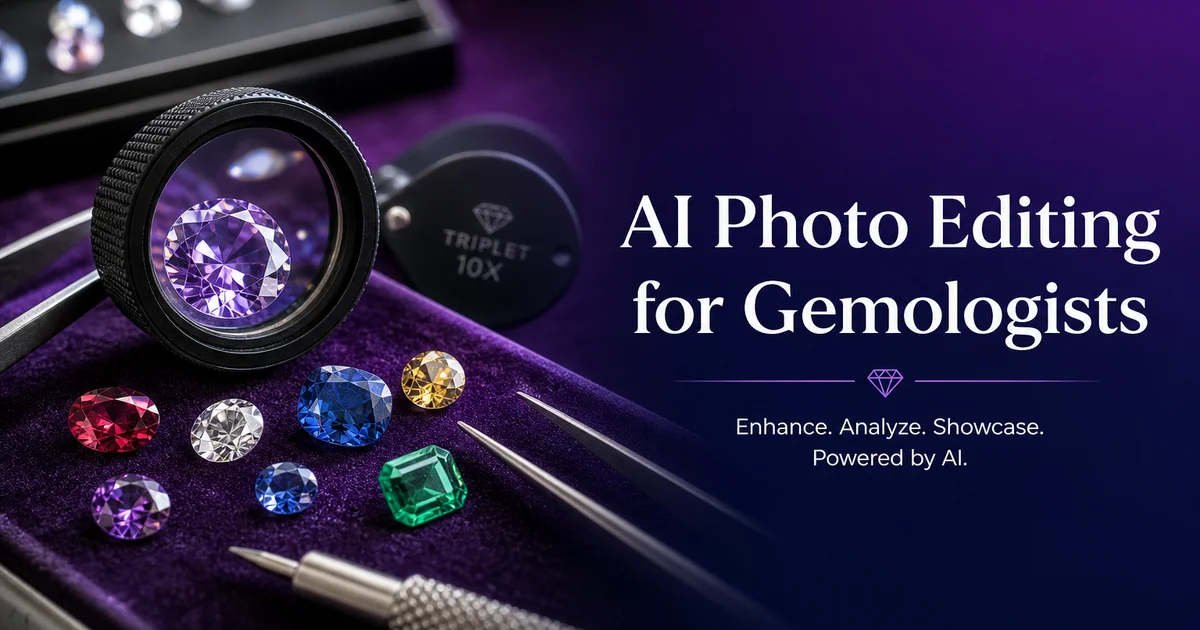
宝石学は、写真の精度が商業的価値に直接影響する専門職です。鮮やかな彩度のサファイアと中程度の彩度のサファイアの違いは、カラットあたり数千ドルの差を意味することがあり、グレーディングレポート内の画像記録は、その評価を裏付ける主要な証拠となります。グレーディングラボ、小売鑑定、遺産評価、宝石取引に携わる宝石学者にとって、写真は付加的なマーケティング活動ではなく、特定の視覚的特徴を伝えなければならない中核的な専門ツールです。色、透明度、カット、カラット重量の見え方——これらが宝石のグレードと市場価値を決定します。しかし宝石写真は、製品写真の中でも最も技術的に要求の高い専門分野の一つであり、照明、色の正確さ、拡大率の精密な制御を必要とします。ほとんどの宝石学の作業空間が提供できるように最適化されていない背景条件もそうです。
宝石写真の技術的課題は、撮影される素材の独特な光学特性に起因します。透明および半透明の宝石は、複雑な方法で光と相互作用します。結晶構造を通して光を屈折させ、スペクトル色に分散させ、ファセット面から反射させ、評価の中心となる色相と彩度のグレードを生み出す選択的な色吸収によって本体を透過させます。一つの宝石は同時に、本体色、輝き、ファイア、シンチレーションを生み出します。これら四つの異なる光の挙動は、一枚の写真にまとめて捉える必要がありますが、スマートフォンのカメラや自動露出システムでは処理が困難です。明るいファセット反射から暗いパビリオンの影までの極端な明るさの範囲は、ほとんどの宝石の極小な物理的サイズと相まって、コンシューマー向け写真機材を快適な動作範囲を超えて押し上げます。
AI写真編集ツールは、これらの宝石写真の課題に的を絞ったソリューションで対応します。Background Eraserは、ラボ機材や不均一な背景から石を分離し、正確な色評価に必要な中立的なフィールドに配置します。AI Enhanceは、グレード間の微妙な色の違いを回復し、透明度記録のためにインクルージョンの細部をシャープにします。カット評価に重要なファセットの精度を明らかにします。Magic Eraserは、取り扱いによるアーティファクト、ほこりの粒子を除去します。写真撮影プロセスに固有でありながら、画像が石本来の視覚的特徴のみを表すべきグレーディング記録に存在してはならない反射汚染を除去します。このガイドでは、照明設定からグレード別の補正テクニック、ラボレポート、小売リスティング、教育資料のためのエクスポートまで、宝石写真と編集の完全なワークフローを網羅します。
- Background Eraserは、ラボのピンセット、ルーペ、作業台環境から宝石を分離し、本体色評価と小売プレゼンテーションに最適化された中立的なフィールドに配置します。
- AI Enhanceは、宝石のグレード間の微妙な色の彩度と色相の違い——鮮やかなサファイア対中程度、ピジョンブラッド対ピンクがかったルビー——を回復し、商業的価値を定義します。
- インクルージョンの記録は、ルチルシルク、三相インクルージョン、治癒した亀裂のフィンガープリント、その他の透明度に影響する特徴をシャープにする強化の恩恵を受け、グレーディングレポート写真に役立ちます。
- Magic Eraserは、取り扱いによるアーティファクト——ほこり、指紋の脂、ピンセットの跡——と、グレードを代表する画像に現れるべきでない写真機材からの反射汚染を除去します。
- グレーディングレポート、小売Eコマース、オークションカタログ、教育資料のための色較正されたエクスポートにより、各出力チャネルが適切に最適化された宝石画像を受け取ることが保証されます。
宝石写真のセットアップ:グレーディング精度のための照明、背景、拡大
宝石写真の照明設定は、二つの相反する目的を同時に達成しなければなりません。正確な色相、彩度で石の本体色を明らかにすること。色調、そしてカットの品質を示す輝きとファイアを示すことです。本体色の評価には、透過色を不明瞭にする鏡面反射を作り出さずに石を照らす拡散した均一な照明が必要です。ライトテントまたは拡散ドームは、あらゆる角度から間接光で石を囲むことで、この均一な照明を提供します。しかし、輝きとファイアの評価には、石のクラウンファセットから入り、テーブルと上部ファセットを通して反射し、良好なカットプロポーションを示す白色光の明るい閃光(輝き)とスペクトル色(ファイア)を生み出す指向性のある光が必要です。解決策は、本体色を圧倒することなく目標とする輝きを生み出すように配置された単一の指向性アクセント光を備えた拡散した全体的な設定です。
背景の選択は、宝石写真における色の知覚に直接影響します。白い背景は石の見かけの色調を高め、より明るく見せ、知覚される彩度グレードを変化させる可能性があります。暗い背景は見かけの色を深め、彩度の知覚を高めますが、石が自然な見え方より暗く見える可能性があります。宝石学の標準は用途によって異なります。GIAグレーディングレポートは、明るくする効果と暗くする効果の両方を最小限に抑える中立的なグレー背景に対して色石を撮影しますが、小売写真では商業的な魅力とEコマースプラットフォームのニーズとの一貫性のために白い背景がよく使われます。背景色が知覚される宝石の色にどのように影響するかを理解することは重要です。なぜなら、編集された画像は石のグレードを正確に表現しなければならず、背景に起因する知覚のずれによってそれを過度に良く見せたり損なったりしてはならないからです。
拡大率とフォーカスは、石が小さく、記録される特徴が——インクルージョン、ファセットジャンクション、表面の傷が——微視的であるため、宝石写真にとって重要な技術的パラメータです。マクロレンズまたは顕微鏡カメラアタッチメントが必要な拡大率を提供します。高倍率での非常に浅い被写界深度は、いかなる単一フレームでも石の薄い一片のみが鮮明にフォーカスされることを意味します。フォーカススタッキング——複数のフォーカス面で石を撮影し、各フレームの鮮明な部分を組み合わせる——は、完全な記録に必要な全体にピントの合った画像を生成します。宝石の場合、これは石の深さと望ましい拡大率レベルに応じて、しばしば10〜30枚の個別フレームを必要とし、後処理ワークフローの効率を特に重要なものにします。
- 拡散した全体的な照明は本体色を正確に明らかにし、一方で単一の指向性アクセントは、色相評価を圧倒することなくカット品質を示す輝きとファイアの閃光を生み出します。
- 白い背景は見かけの色調を明るくし、暗い背景は彩度を深めます——中立的なグレーは、グレーディングに正確な写真のための知覚のずれを最小限に抑えます。
- GIAグレーディング写真は色石に中立的なグレー背景を使用しますが、小売Eコマースは通常、プラットフォームの一貫性のために白い背景を必要とします。
- 10〜30枚のフレームでのフォーカススタッキングは、小さな宝石の全体にピントの合ったマクロ画像を生成し、高倍率での極めて浅い被写界深度を補償します。
カラーグレーディング写真:色相-彩度-トーンスペクトルの撮影と強化
色は色石の最も商業的に重要な特徴です。色グレードを表現する写真の正確さは、宝石画像編集において最もリスクの高い要素です。GIAカラーグレーディングシステムは三つの要素を評価します。色相(支配的なスペクトル色)、彩度(その色の強さ)、色調(明るさまたは暗さ)——そして隣接するグレード間の違いは、画面上では区別が難しいほど微妙でありながら、大きな価値の差を表すほど重要な場合があります。鮮やかな彩度の青いサファイアは、同じ色相と色調の中程度の彩度の石よりもかなりのプレミアムを獲得します。グレーディングレポートまたは販売リスティング内の写真は、石がどのグレードを達成しているかを正確に表現しなければなりません。AI Enhanceは、カメラが露出の平均化やホワイトバランスのドリフトで失う色の深みを回復できます。補正は、石の実際のグレードを超えて押し上げるのではなく、正確な色を回復するために控えめに適用しなければなりません。
特定の宝石種は、異なる補正アプローチを必要とする特徴的な色域と評価基準を持っています。ルビーは主に彩度と色相で評価されます。最も価値のある色は、ピジョンブラッドとして知られる鮮やかでわずかに紫がかった赤であり、写真はこれを低品質素材のピンクがかった赤や過度に暗い石の茶色がかった赤と区別しなければなりません。青いサファイアは色相の純度で評価されます。最も価値があるのは中程度に暗く、鮮やかで、わずかに菫色がかった青であり、写真は石が純粋な青を達成しているか、またはグレード を下げる灰色、緑色、または過度の菫色の修飾色を持っているかを示さなければなりません。エメラルドは彩度と透明度で評価されます。写真は、石が最高品質素材の鮮やかな青みがかった緑の彩度を達成しているかどうかを示しつつ、この多くのインクルージョンを含む種に予想されるインクルージョンと透明度の低下を正直に表現しなければなりません。
色温度とホワイトバランスの一貫性は、AI編集が撮影セッション間で正規化を助けることができる、色正確な宝石写真のための技術的前提条件です。宝石写真は一貫性のために標準化された昼光相当の照明(約6500Kの色温度)の下で行われるべきですが、多くの宝石学者は、頭上の蛍光灯、窓の光が混在する照明環境で作業します。写真用ランプはすべて、シーンに異なる色温度を寄与します。カメラのホワイトバランスがセッション間でドリフトすると、同じ石が異なる日に撮影された写真で著しく異なる色で現れることがあります。AI補正は、色温度を画像セット全体で一貫した標準に正規化でき、複数の石の比較評価が撮影条件のばらつきではなく実際の色に基づくことを保証します。
- 隣接するグレード間の色相、彩度、色調の違いは商業的に重要です。鮮やかな対中程度の彩度のサファイアはカラットあたり数千ドルを表し、写真はグレードを正確に表現しなければなりません。
- ルビー写真はピジョンブラッドをピンクがかった赤や茶色がかった赤と区別しなければならず、サファイアは灰色や緑色の修飾色に対する色相の純度を示さなければなりません。エメラルドは彩度とインクルージョンの透明度のバランスをとらなければなりません。
- 控えめな強化は、石の実際のグレードを超えて押し上げることなくカメラの露出平均化で失われた色の深みを回復します——過度な美化ではなく正確さが倫理的基準です。
- セッション間の色温度の正規化により、複数の石の比較評価が撮影照明条件のばらつきではなく実際の色の違いを反映することが保証されます。
インクルージョンの記録とクラリティグレーディング:内部特徴を精密に明らかにする
インクルージョン記録は、石の透明度グレードを決定する内部特徴を記録し明確に表示することを目標とする、宝石写真の専門的な応用です。宝石学的インクルージョンは、明白なものから多岐にわたります。大きな目に見える亀裂、目立つ暗い結晶、曇った領域——から微視的なものへ——細かいルチルシルクの針、流体インクルージョン内の小さな気泡、天然と合成の起源を示す微視的な成長累帯。透明度グレードは、サイズ、数、位置、性質に依存します。標準的な10倍拡大で観察されるこれらのインクルージョンのレリーフ、そして写真はこれらの特徴を可視化し評価可能にしなければなりません。AI Enhanceは、インクルージョンと周囲の宝石素材との間の局所的なコントラストを高めることでインクルージョンの細部をシャープにし、そうでなければ撮影機材の限られたダイナミックレンジと解像度で失われる可能性のある特徴を写真で可視化します。
異なるインクルージョンの種類は、異なる写真撮影と補正のアプローチを必要とします。暗い結晶インクルージョン——エメラルド内のクロマイト結晶やサファイア内の黒雲母など——は、暗い結晶をシルエットとして際立たせる明るい透過光に対して撮影するのが最適です。透明または半透明のインクルージョン——流体で満たされた治癒亀裂や成長管など——は、暗い背景に対して光を散乱させる暗視野照明で見るのが最適です。サファイア内のルチルシルクは、針の方向に対して垂直に向けられた光ファイバー照明で撮影するのが最適です。青い本体色に対してシルクを輝かせます。各照明技術は、異なる補正ニーズを持つ画像を生成します。暗視野画像はインクルージョンを明確に表示するために明るさとコントラストの調整が必要な場合があり、一方透過光画像は明るい光源が石の本体色を洗い流すのを防ぐために背景の正規化が必要な場合があります。
高倍率でのインクルージョンの写真顕微鏡撮影は、グレーディングと鑑別の両方の目的に役立ちます。特定のインクルージョンの種類は、宝石種、地理的起源、天然と合成の起源を診断します。コロンビア産エメラルドに見られる三相インクルージョン(単一の流体腔内の固体結晶、液体、気泡)、天然サファイアの特徴的な六角形の成長累帯対フレームフュージョン合成の曲がった成長線、そして市場価値に影響する特定の地理的起源の特徴的なインクルージョン。これらの診断的特徴は、画像内で明確に識別可能であるように十分な鮮明さと拡大率で撮影される必要があります。AI Enhanceは、これらの微視的特徴をシャープにし、周囲の宝石素材に対するコントラストを改善でき、宝石学者の鑑別結論を裏付ける診断的特徴を明確に示す記録写真を生成します。
- 透明度グレーディングは、10倍拡大でのインクルージョンのサイズ、数、位置、性質、レリーフに依存します——写真はグレード判定のためにこれらの特徴を可視化し評価可能にしなければなりません。
- 暗い結晶インクルージョンは明るい透過光で、透明なインクルージョンは暗視野照明で、ルチルシルクは最大の視認性のために垂直の光ファイバー照明で撮影するのが最適です。
- コロンビア産エメラルド内の三相インクルージョン、天然サファイア内の六角形成長累帯、起源特有の特徴は、鑑別記録のために高倍率の写真顕微鏡撮影を必要とします。
- AI Enhanceは、インクルージョンと周囲の宝石素材との間の局所的なコントラストを高め、撮影機材の限られたダイナミックレンジで失われた診断的細部を回復します。
カット評価写真:ファセット精度、対称性、光のパフォーマンス
カット品質の評価には、宝石がどのように仕上げられたかの三つの異なる側面を明らかにする写真が必要です。個々のファセットの合わせ目とジャンクションの精度、石の輪郭とファセット配置の全体的な対称性、そしてカットが生み出す光のパフォーマンス特徴(輝き、ファイア、シンチレーション)です。ファセットジャンクションの精度は、ファセットの縁がきれいで鋭い点で合っているか、それともそれほど精密でないカットを示すわずかに丸みを帯びたまたはずれたジャンクションを示しているかを示すクローズアップ写真から評価するのが最適です。AI Enhanceはこれらのファセットジャンクションの細部をシャープにし、拡大鏡下での物理的検査を必要とするのではなく写真からカットの精度を評価することを可能にします。買い手が石を直接検査できない遠隔鑑定やオンライン販売に特に価値があります。
対称性の評価では、テーブルファセットの真上から(プランビュー)と真横から(プロファイルビュー)撮影された写真を使用して、石の輪郭が適切に中心に配置されているか、対応するファセットがサイズと形状で等しいかを評価します。テーブルがクラウンの中心に配置されているか。グレードに影響する軽微な対称性の偏差。中心からずれたテーブル、不均等な主要ファセット、波打つガードル——は、一般的な照明下で撮影された生の写真では見えにくいほど微妙であることがよくあります。補正はファセットの境界をシャープにし、隣接するファセット間のコントラストを高め、画像内で対称性の偏差をより見やすくできます。Background Eraserは対称性の評価に特に有用です。なぜなら、作業台環境の視覚的ノイズなしに輪郭の不規則性がすぐに明らかになる中立的な背景に石を分離するからです。
光のパフォーマンス写真は、カットのプロポーションと光の相互作用から生じる全体的な視覚的魅力を捉えます。輝き——クラウンを通した白色光の戻り——は、パビリオンの角度が全反射のために適切に比例しているかどうかを示します。ファイア——石が動くときに現れるスペクトル色の閃光——は分散のパフォーマンスを示します。シンチレーション——石の表面全体の明暗領域のパターン——は、石が戻る光をどれだけ均等に分配するかを示します。これらの特徴は、わずかに異なる角度から石を示す一連の写真で捉えるのが最適です。AI Enhanceは、光がパビリオンを通して漏れる暗い領域の視認性を維持しながら、輝きとファイアのイベントをシャープにすることで役立ちます。強化された画像は、いかなる単一の未編集フレームが達成できるよりも石の光のパフォーマンスのより完全な表現を提供します。
- ファセットジャンクションの鋭さは、精密なカットを低品質な作業から区別します——AI Enhanceは、遠隔鑑定とオンライン販売のためにジャンクションの品質を写真から評価可能にします。
- プランビューとプロファイルビューからの対称性評価は、強化されたファセット境界を使用して、グレードに影響する中心からずれたテーブル、不均等なファセット、波打つガードルの偏差を明らかにします。
- Background Eraserは、作業台の視覚的ノイズなしに輪郭の不規則性と対称性の偏差がすぐに明らかになる中立的なフィールドに石を分離します。
- 複数の角度から輝き、ファイア、シンチレーションを示す光のパフォーマンスシーケンスは、いかなる単一の未編集フレームよりも完全なカット評価を提供します。
プロのワークフロー:グレーディングレポート、小売リスティング、教育資料
グレーディングラボのワークフローは、グレーディングレポートが多額の商業取引を支える法的文書であるため、色の正確さと記録の一貫性の最高基準を要求します。グレーディングセッションを通して処理される各石は、同一の条件下で撮影され、同一の補正パラメータで編集される必要があります。レポート内の写真証拠が石の特徴を正確かつ常に表現することを保証するために、同一のカラープロファイルで出力されます。AI編集は、セッション全体の照明条件のばらつきを正規化し、同じ種と種類のすべての石に標準化された補正パラメータを適用することで、この一貫性を可能にします。デジタル表示と印刷出力の両方で正確な再現を保証するカラーマネージドプロファイルでエクスポートします。ワークフローは、各ステップが予測可能で一貫した結果を生み出す再現可能なプロセスとして標準化されるべきです。
小売およびEコマースの宝石リスティングは、グレーディングレポートとは異なる改善を必要とします。画像は返品と顧客の不満を避けるために石を正確に表現しなければなりませんが、視覚的な第一印象がクリックスルー率を促進する競争の激しいオンライン市場で商業的に魅力的でなければなりません。Background Eraserは、Eコマースプラットフォームが好み、ディーラーの在庫全体にわたって視覚的な一貫性を提供する清潔な白い背景に石を配置します。AI Enhanceは、色の正確さと視覚的インパクトのバランスを最適化し、返品を生み出し顧客の信頼を損なう虚偽表示の一線を越えることなく石が最高に見えることを保証します。小売の場合、編集基準は最高の正直な表現です。石を実際のグレードで、しかしそのグレードが許す最も魅力的な条件下で示すことです。
宝石学プログラム、博物館展示、参考出版物のための教育資料には、独自の特定のニーズがあります。インクルージョン記録画像は、インクルージョンの種類、照明技術、拡大率レベルで明確にラベル付けされる必要があります。色比較セットは、色の評価を学ぶ学生にとって教育的な方法で隣接するグレード間の段階的な違いを示す必要があります。カット評価画像は、議論されている特定の特徴を強調する必要があります。ファセットの位置合わせ、対称性の偏差、光漏れ領域——を、過度な処理で人工的にすることなく教育ポイントを明確にするのに十分な補正で。AI編集は、標準的なラボ写真から教育品質の宝石画像の制作を可能にし、宝石学の講師や機関にとって教育コンテンツの作成をよりアクセスしやすくします。
- グレーディングラボのワークフローは、法的に弁護可能な記録の一貫性を保証するために、すべての石にわたって同一の写真撮影、強化、カラープロファイルエクスポートのパラメータを必要とします。
- 小売Eコマースの編集は、正確な表現と商業的魅力のバランスをとります——虚偽表示による返品と魅力に欠ける過小評価の両方を避ける最高の正直な表現です。
- Background Eraserは、Eコマースプラットフォームが好む清潔な白い背景を提供しつつ、ディーラーの宝石在庫全体にわたって視覚的な一貫性を保証します。
- 教育資料は、ラベル付けされたインクルージョン画像、段階的な色比較セット、教育ポイントを明確に示す注釈付きカット評価写真を必要とします。
How to do it
- 1
Photograph gemstones with controlled lighting to capture color, clarity, and brilliance
Set up gemstone photography with diffused overhead lighting that reveals true body color without creating the harsh specular reflections that obscure surface detail and distort color grading. Gemological photography requires consistent, repeatable lighting because the images serve as comparative references for spotting and grading. Each stone must be photographed under the same conditions to enable accurate side-by-side evaluation. Use a light tent or diffusion dome to create even illumination, with a single directional accent light positioned to show the stone's brilliance and fire without overwhelming the body color that is the primary grading criterion.
- 2
Remove distracting backgrounds and mounting hardware from gem identification images
Use Background Eraser to isolate gemstones from the tweezers, gem holders, darkfield loupes. Laboratory backgrounds that are necessary for photography but unwanted in final display images. Replace with neutral white, gray, or black backgrounds right to the stone's color and the image's purpose. White backgrounds for light-colored stones in retail catalogs, dark backgrounds for colored gems where body color evaluation requires maximum contrast, and neutral gray for mixed collections where consistent display matters more than individual stone improvement.
- 3
Enhance color accuracy, inclusion visibility, and surface detail with AI tools
Apply AI Enhance to recover the subtle color distinctions that define gemstone grades. The difference between vivid and medium saturation, between pure blue and slightly violet-blue sapphire, between pigeon blood and pinkish-red ruby. Boost also improves inclusion visibility for clarity grading records, sharpening the fine detail of needle-like rutile silk in sapphires, three-phase inclusions in emeralds. The fingerprint patterns of healed fractures. For cut evaluation, boost reveals facet junction precision, symmetry alignment, and the polish quality of individual facet surfaces.
- 4
Clean up dust, fingerprints, and mounting artifacts with Magic Eraser
Use Magic Eraser to remove the microscopic dust particles, fingerprint oils. Tweezers marks that in time appear on gemstone surfaces during handling and photography. Remove reflection artifacts from the photography setup. Studio light reflections, camera lens reflections visible in highly polished table facets, and the color contamination from nearby objects reflecting in the stone's pavilion. These artifacts are not features of the gem itself and should not be present in grading or spotting photographs where the image must represent only the stone's inherent traits.
- 5
Export gem images for grading reports, retail listings, and educational materials
Save edited gemstone photographs at full resolution for grading laboratory reports, then create versions optimized for different distribution channels. Retail e-commerce listings need images that accurately represent the stone's look to potential buyers while meeting platform image specifications. Auction house catalogs require print-quality resolution with calibrated color that will reproduce accurately on paper. Educational materials for gemology students need images with enough detail to show inclusion types, color grades, and cut quality traits. Batch export handles the complete range when processing multiple stones from a single grading session.
参考資料
- Gemological Photography: Standards and Best Practices for Gem Identification — Gemological Institute of America
- Gem Identification and Grading: Visual Standards for the Four Cs — Gemological Institute of America
- Macro Photography Techniques for Scientific and Commercial Applications — Adobe Creative Cloud Photography Guide