
分析技師のためのAI写真編集:貴金属分析の記録 — Magic Eraser
分析事務所および貴金属試験所向けの専門的なサンプル写真撮影。灰吹きビーズの記録、ホールマーク写真、試金石分析画像、分析証明書のビジュアルのためのAI搭載ツール。

Content Lead
レビュー担当 Magic Eraser Editorial ·
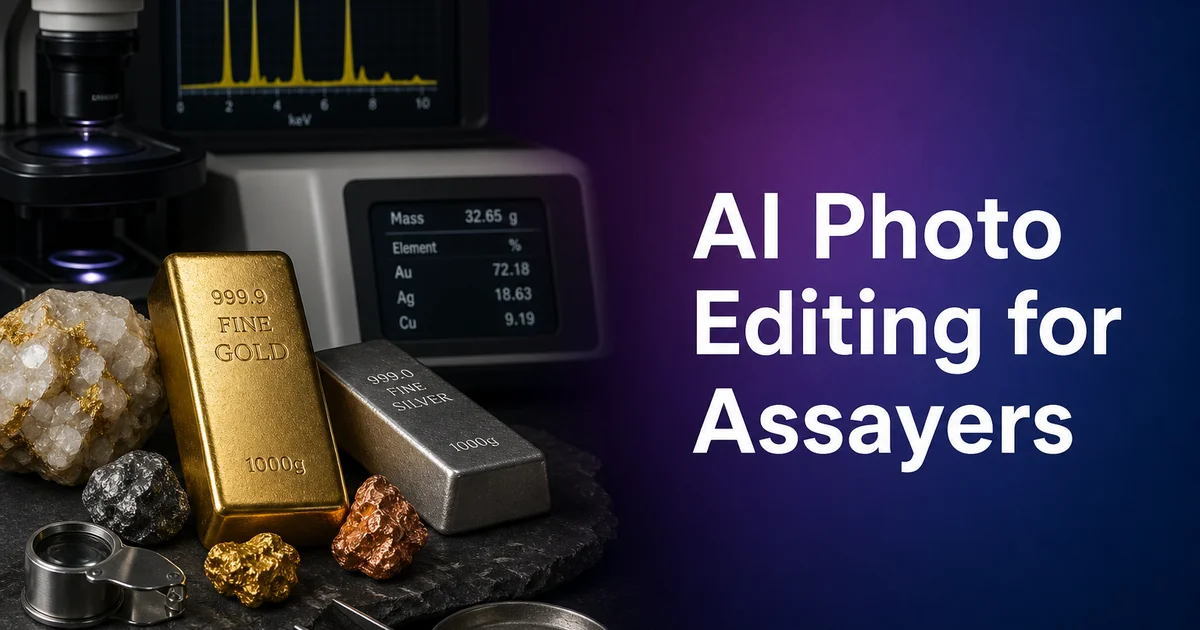
分析試験——鉱石、合金、完成品中の貴金属含有量の分析的決定——は、精度と明瞭さを要求する科学的および商業的目的の両方に記録写真が役立つ職業です。すべての火試金ビーズ、試金石ストリーク、灰吹き結果、ホールマーク検査は、認定結果に付随する永久記録の一部となるビジュアルエビデンスを生成します。鉱床を評価する鉱山会社、入荷貨物の純度を確認する精錬所、合金仕様を確認する宝飾品メーカー、ホールマーク適合性を審査する規制当局——すべてが数値結果を補完するために分析記録写真に依存しています。これらの画像の品質は、分析事務所の信頼性と顧客が分析業務に寄せる信頼に直接影響します。
分析作業に特有の写真撮影の課題は相当なものです。貴金属サンプルはしばしば小さく、火試金ビーズは直径わずか数ミリメートルであることが多く、試金石ストリークは暗い石の上の細い金属線であり、ホールマークは曲面に刻印された微小な刻印です。これらのミニチュア被写体から有用なディテールを撮影するには、ほとんどの実験室カメラやスマートフォンでは不十分なマクロ写真撮影能力が必要であり、分析技師が記録する必要がある表面特性を解像できない、ぼやけた照明不足の画像を生成してしまいます。実験室の環境は、金属の色を歪める厳しい蛍光灯照明、小さなサンプルと視覚的注意を奪い合う散らかった作業台表面、そして専用のセットアップ時間なしにはクリーンな商品スタイルの写真撮影をほぼ不可能にする試薬、るつぼ、分析機器の常時存在により、困難をさらに増大させます。
AI写真編集ツールは、専門的な機器や専用の撮影スペースを必要とせずに、実験室写真のディテールと表示品質を向上させることで、これらの分析特有の記録課題を解決します。背景除去は散らかった作業台から小さなサンプルを分離し、AI強化は金属表面の特性——色の正確さ、粒子構造、結晶テクスチャ、ホールマークの深さ——を復元します。これらは小型センサーカメラが圧縮し歪めるものであり、オブジェクト除去は取り扱いや加工がサンプルや周囲の表面に残す実験室の痕跡をクリーンアップします。このガイドでは、サンプルの配置と照明から、証明書、実験室記録、顧客向け表示のための編集とエクスポートまで、分析事務所写真撮影の完全なワークフローをカバーします。
- Background Eraserは、貴金属サンプル、灰吹きビーズ、ホールマーク付きアイテムを散らかった実験室環境から分離し、専門的な報告のための標準化された記録背景を可能にします。
- AI Enhanceは、合金グレード間の微妙な色差を復元します。高カラット金と金銀合金、純銀とスターリングシルバー、白金とパラジウム——これらはスマートフォンカメラの自動ホワイトバランスが日常的に誤表現するものです。
- マクロディテール強化は、貴金属の純度と組成を記録するホールマーク刻印、灰吹きビーズ表面の結晶構造、および試金石ストリークの色グラデーションを解像します。
- Magic Eraserは、サンプル写真の記録としての明瞭さを損なうトング跡、指紋、フラックス残留物、酸のシミを含む実験室の取り扱い痕跡を除去します。
- バッチエクスポートは、証明書、規制記録、および顧客報告のために、単一の分析実行からの複数サンプルにわたって一貫した品質と背景処理を維持します。
火試金サンプルの撮影:ビーズ、灰吹き皿、スコリフィケーション生成物
火試金——2000年以上にわたって分析精度のゴールドスタンダードであり続けてきた貴金属決定の古典的方法——は、分析技師が各段階で記録のために撮影する一連の物理的生成物を生み出します:最初のるつぼ融合から回収された鉛ボタン、灰吹き後に吸収された酸化鉛を含む灰吹き皿、そして最終的な分析生成物として灰吹き皿の表面に残る貴金属ビーズまたはプリル。これらの各オブジェクトは、分析プロセスとその結果についてのストーリーを語ります。それらをうまく撮影するには、各表面がどのような冶金学的情報を伝えるかを理解する必要があります。鉛ボタンのサイズと形状は、融合が貴金属を効率的に回収したかどうかを示します。灰吹き皿の色と吸収パターンは、灰吹きが正しく進行したかどうかを示します。ビーズのサイズ、形状、色、および表面特性は、存在する貴金属の量と組成を示します。
貴金属ビーズ自体は、火試金記録における最も重要な撮影対象です。それは重大なマクロ写真撮影の課題を提示します。標準的な火試金チャージからの典型的な金分析ビーズは直径1〜3ミリメートルです。骨灰またはマグネシア灰吹き皿の平らな灰色の表面上に座る小さな明るい金属の球体です。このミニチュア被写体から有用なディテールを撮影するには、近接フォーカス能力、表面の特徴を解像するのに十分な倍率、そして金属光沢と組成を示す表面特性の両方を示す照明が必要です。純金ビーズは特徴的な明るい黄色と滑らかな表面を持っています。金銀合金ビーズはより淡く、わずかに粒状のテクスチャを示すことがあります。卑金属汚染のあるビーズは、表面の変色、ピッティング、または不規則な形状を示すことがあります。これらはすべて、写真が明瞭に撮影しなければならない診断指標です。
灰吹き皿の撮影は、分離プロセスを記録し、灰吹きが完全かつ成功裏に行われたことの証拠を提供します。適切に灰吹きされた分析は、酸化鉛スラグを均一に吸収した灰吹き皿の上にクリーンなビーズが座っており、鉛の最後の痕跡が引き離されたビーズの周りに特徴的な暗いリングがあることを示します。不完全な灰吹きは、鉛でまだコーティングされた鈍い表面のビーズを残します。灰吹き皿は不均一な吸収または残留金属を示すことがあります。ビーズの金属表面と灰吹き皿の吸収パターンの両方を示す照明を使用して、ビーズを所定の位置に置いたまま灰吹き皿を撮影することで、分析が正しく実行され、最終的なビーズが元のサンプルの貴金属含有量を正確に表していることを証明する記録が作成されます。
- 火試金は3つの主要な撮影対象を生み出します——融合からの鉛ボタン、吸収パターンを示す灰吹き皿、そして最終的な分析生成物としての貴金属ビーズ。
- 直径1〜3ミリメートルの金分析ビーズは、組成の表面色、テクスチャ、および形状指標を解像するのに十分な倍率を持つマクロ写真撮影を必要とします。
- ビーズの表面特性は、純金を金銀合金および汚染サンプルと区別します——色、粒状性、ピッティング、および形状は、記録が撮影しなければならない診断指標です。
- ビーズを所定の位置に置いた灰吹き皿の撮影は、吸収リングパターンとビーズ表面品質の証拠を通じて灰吹きの完全性を記録します。
ホールマーク写真と貴金属アイテムの記録
ホールマーキングを行う分析事務所——金属の品位を証明するための貴金属製品の法定検査とマーキング——は、金属純度の法的証明を構成する微小な刻印を撮影する写真撮影が必要です。ホールマークは高さ1〜2ミリメートルであることが多く、リング、ブレスレット、時計ケースなどの曲面に刻印され、スポンサーマーク、品位基準、分析事務所マーク、日付文字を含む詳細な象徴的情報を含んでいます。これらのマークを記録と検証に十分な明瞭さで撮影するには、マクロ能力、斜光で刻印を捉えるための正確な角度制御、そして各マークの個々の要素が判読できる十分な解像度が必要です。AI Enhanceは刻印の縁を鮮明にし、凹んだマークと周囲の研磨された金属表面のコントラストを高めるため、ホールマーク写真撮影において特に有用です。
リングのシャンクやブレスレットのリンクのような曲面上のホールマークを撮影する課題は、高倍率でのマクロ写真撮影が生み出す狭い被写界深度の管理です。1ミリメートルのホールマークでフレームを埋めるために必要な近接フォーカス距離では、被写界深度は1ミリメートル未満になることがあります。つまり、曲がったリングシャンクに刻印されたマークは、中央では鮮明なフォーカスですが、表面が焦点面から離れて曲がる縁ではソフトになります。AI Enhanceはマーク縁のソフトフォーカス領域を鮮明にすることで、これを部分的に補正します。最良の結果は、ホールマークがカメラセンサーに対してできるだけ平らになるようにアイテムを配置することで得られます。リングのホールマークの場合、シャンクを平らな面に置き、マークを真上に向けて撮影します。マークが避けられない曲面にあるアイテムの場合、フォーカススタッキング——わずかに異なるフォーカス距離で複数のショットを撮影し、それらを合成する——がマーク全体にわたって最も鮮明な結果を生み出します。
個々のホールマーク検査を超えて、分析事務所は検査のために提出されたアイテムの全体的な外観を、ホールマーキングプロセスの前後の両方で記録します。これらのワイドショットは、ホールマークの位置がコンテキスト内で見えるアイテム全体を示し、認証マークをそれが適用された特定のピースに結びつけるビジュアル記録を提供します。背景除去はアイテムを記録基準に一致したクリーンな白または中性の背景に配置し、AI Enhanceはイエローゴールドをローズゴールドから、ホワイトゴールドをシルバーから、プラチナをパラジウムから区別する金属色の正確さを引き出します。これらはホールマーキング認証が要求し、記録写真撮影が正確に保持しなければならない区別です。新しいホールマークとともにクライアントに返却されるアイテムについては、これらの写真が何が検査され、マークされたかの分析事務所の記録として機能します。
- 高さ1〜2ミリメートルのホールマーク刻印は、スポンサーマーク、品位基準、事務所マーク、日付文字を含む凹み刻印のディテールを撮影するために、斜光によるマクロ写真撮影を必要とします。
- マクロ距離での曲面の被写界深度の課題は、リングシャンクやブレスレットリンク上のソフトフォーカスのマーク縁をAI Enhanceが鮮明化することで部分的に補正されます。
- 背景除去による全体的なアイテム記録は、分析事務所のアーカイブのためにホールマーク認証を特定のピースに結びつけるクリーンなビジュアル記録を作成します。
- 金属色の正確さの保持は、イエローゴールドをローズゴールドから、ホワイトゴールドをシルバーから、プラチナをパラジウムから区別します——ホールマーキング記録に不可欠な区別です。
試金石検査と酸分析の記録
試金石検査——最も古く、今でも広く使用されている貴金属評価方法の一つ——は、撮影が特に困難な被写体を作り出します:暗い石の表面にこすりつけられた金属の薄いストリーク、次に卑金属と低カラット合金を選択的に溶解する酸試薬で処理され、より高純度のストリークはそのまま残ります。診断情報は、テストストリークとその横にこすりつけられた参照合金ストリークとの色差にあります。酸処理が各ストリークをどの程度溶解または淡色化したかにあります。これらの微妙な色差を写真で撮影するには、例えば、酸テスト後の22カラット金の明るい黄色のストリーク、18カラット金のわずかに淡いストリーク、14カラット金の目に見えて明るいストリークを区別する正確な色再現が必要です。これらは黄色スペクトルの狭い範囲にまたがる区別であり、スマートフォンカメラは日常的に区別できません。
試金石として機能する黒または濃灰色のリディアストーンの表面は、写真撮影に理想的に見える自然な高コントラストの背景を作り出しますが、実際には自動カメラシステムに露出の問題を引き起こします。スマートフォンカメラは、小さな明るい金属のストリークがある大部分が暗いフィールドを見て、補正するためにフレームを過露出し、ストリークの色情報を飛ばして、金と銀と卑金属を区別することを不可能にします。手動露出補正で全体的な画像を暗くするとストリークの色は保持されますが、参照ストリークのラベルと石の表面のマーキングが判読不能になることがあります。撮影後のAI Enhanceが最良の解決策を提供します。ストリーク内の金属色情報を回復しながら暗い石のコントラストを維持し、テスト結果を記録する酸テストされたストリークの反応部分と未反応部分の境界を鮮明にします。
完全な試金石テストの記録には、一連の写真が必要です:酸塗布前の初期ストリークで未知の合金と参照合金の色比較を示すもの、酸反応中のストリークで低カラット材料の漸進的な溶解を示すもの、そして酸テストに無傷で生き残ったストリークを示す最終結果。この前・中・後のシーケンスは、分析技師の金属品位の判定を裏付けるビジュアルエビデンスを提供します。シーケンス全体にわたる一貫した照明、角度、色処理が重要であり、フレーム間の色差が写真変数ではなく実際の化学的変化を表すようにします。AI編集はシリーズ全体にわたってこれらの技術的変数を正規化し、ビジュアルの進行がテストの化学的進行を正確に表すことを保証します。
- 狭いスペクトル範囲にまたがる試金石ストリークの色差——22カラット対18カラット対14カラットの金——は、典型的なスマートフォンカメラの能力を超える色精度を必要とします。
- 暗いリディアストーンの背景は、金属ストリークの色情報を飛ばす自動過露出を引き起こし、露出管理と撮影後のAI強化が必要です。
- 前・中・後の酸テスト記録シーケンスは、ビジュアルの違いが写真変数ではなく化学的変化を表すように、フレーム間で一貫した色処理を必要とします。
- AI Enhanceは暗い石のコントラストを維持しながらストリーク内の金属色情報を回復し、反応部分と未反応部分のストリーク境界を鮮明にします。
実験室ワークフローの統合と品質管理記録
日常の分析実験室ワークフローに写真撮影を統合するには、記録の徹底性と分析効率のバランスを取る必要があります。写真撮影に費やすすべての時間は、収益を生み出す分析作業に費やされない時間です。最も実用的なアプローチは、固定照明、一貫した背景面、各サンプルタイプの標準的な撮影距離と角度を維持するスマートフォンまたはカメラマウントを備えた、実験室内の常設写真撮影ステーションを指定することです。これにより、使用するたびに組み立てなければならない場合に記録写真撮影を妨げるセットアップ時間が排除されます。火試金ビーズは灰吹き皿から写真撮影ステーションに直接移動し、重量分析または機器分析のために計量・溶解される前に標準化されたショットが撮影されます。試金石テストは、酸塗布の間に石を固定ステーションに移動させて各段階で撮影されます。ホールマーク付きアイテムは、同じフレーミングと照明で刻印の前後に撮影されます。
認定分析実験室の品質管理システム——ISO 17025および関連基準——は、数値結果だけでなく、分析記録の一部として写真記録をますます要求しています。ビジュアル記録へのこの傾向は、分析写真が認定機関による監査および結果に異議を唱えるクライアントによるレビューの対象となる永久品質記録の一部になることを意味します。したがって、写真は、日常的な実験室のスナップショットでは達成できない明瞭さ、正確さ、一貫性の基準を満たさなければなりません。AI編集は、固定ステーションで撮影されたワークフロー効率の良い素早い写真を、一貫した背景、正確な色再現、クリーンな表示を備えた記録品質の画像に変換することで、このギャップを埋めます。重要なのは、編集が人工的な外観を作り出すのではなく、正確さを高めなければならないことです。金のビーズを実際よりも黄色く見せる色補正は、品質システムが要求する記録的価値を損ないます。
分析写真のアーカイブ整理は、特定の分析実行、クライアント提出物、または期間からのすべての画像にわたって一貫したビジュアル処理を維持するバッチ処理の恩恵を受けます。鉱山会社が金分析のために50のサンプルを提出した場合、結果として得られる50のビーズ写真は同一の背景処理、色再現、そして表示品質を持つべきです。画像間の違いが写真変数ではなくサンプル間の実際の違いを反映するようにします。標準化された設定によるバッチエクスポートはこの一貫性を保証し、写真を分析証明書番号、サンプル識別子、日付にリンクするファイル命名規則は品質管理が要求するトレーサビリティを作成します。結果は、分析記録を強化し、品質監査をサポートし、分析証明書に報告された数値結果と併せてクライアントが参照できるビジュアルエビデンスを提供する写真アーカイブです。
- 固定照明、背景、カメラ位置を備えた実験室の常設写真撮影ステーションは、日常的な記録写真撮影を妨げるセットアップ時間を排除します。
- ISO 17025認定は、監査レビューの対象となる永久的な分析品質記録の一部として、写真記録をますます要求しています。
- AI編集は人工的な外観を作り出すのではなく、正確さを高めなければなりません——実際の金属色を誤って表現する色補正は記録的価値を損ないます。
- バッチ処理は、複数サンプルの分析実行にわたって一貫したビジュアル処理を維持し、画像の違いが写真変数ではなく実際のサンプルの違いを反映するようにします。
How to do it
- 1
Photograph precious metal samples with macro lighting that reveals surface composition and purity indicators
Set up macro photography for assay samples using directional lighting that reveals the surface traits metallurgists evaluate. The color variations between gold alloy grades, the crystalline structure visible on cupellation bead surfaces, the hallmark stamp depth and clarity on tested items, and the slag separation patterns on scorification dishes. Use a neutral gray or black background behind small samples so the metal color reads accurately without environmental color contamination. For fire assay beads, a ring light provides even illumination across the spherical surface that shows the bead's metallic luster and any surface impurities remaining after cupellation.
- 2
Remove laboratory backgrounds for clean sample documentation and client reporting
Use Background Eraser to isolate assay samples, cupellation beads, touchstone streaks. Hallmarked items from the laboratory bench setting of crucibles, flux bottles, analytical balances, and acid bottles that clutters assay office photography. Replace with standardized records backgrounds — neutral gray for routine sample records, gradient backgrounds for client-facing reports, or measurement-scale backgrounds that provide size reference. Consistent background treatment across all sample photographs in a report series creates the expert display that mining companies, refineries. Jewelry trade clients expect from certified assay results.
- 3
Enhance metal surface detail to document alloy characteristics and purity grades
Apply AI Enhance to bring out the subtle surface traits that distinguish precious metal grades and compositions. The warm yellow of high-karat gold versus the paler tone of gold-silver alloys, the bright white of fine silver versus the slightly yellow cast of sterling, the blue-white surface of platinum group metals. Phone camera auto white balance and exposure frequently misrepresent metal colors by shifting yellow gold toward white or making silver appear yellow. Undermines the documentary value of sample photographs. Boost corrects color accuracy and recovers the fine surface texture. Grain structure, porosity, crystalline patterns — that assayers evaluate when assessing sample quality.
- 4
Remove laboratory artifacts and handling marks from sample photographs with Magic Eraser
Use Magic Eraser to clean up the marks that laboratory handling leaves on samples and records photographs. Tong marks on cupellation beads, fingerprints on polished metal surfaces, flux residue on crucible edges, acid stains on touchstones adjacent to the test streak area, and dust particles that settle on samples during photography. Also remove background distractions visible in macro shots such as bench surface scratches, reagent bottle labels, and other samples waiting for analysis. These elements are part of normal laboratory operations but reduce the clarity and professionalism of records photographs.
- 5
Export assay documentation images for reports, certificates, and laboratory records
Save edited sample photographs at resolutions right for their records purpose. Assay certificates accompanying shipments to refineries need embedded images that are clear at the small sizes typical of certificate formats. Laboratory records maintained for regulatory compliance require higher resolution images that can be enlarged for review if questions arise about a historical assay. Client displays and marketing materials for assay services benefit from the highest quality exports that show the precision and professionalism of your analytical work. Batch export handles the multiple samples from a single assay run, maintaining consistent quality and background treatment across the full series.
参考資料
- Fire Assay: The Gold Standard of Precious Metal Analysis — U.S. Geological Survey
- Hallmarking: A Consumer Guide to Precious Metals — London Assay Office
- Best Practices for Metallurgical Sample Photography and Documentation — ASTM International