
AI-редактирование фото для овощеводов и учёных-овощеводов — Magic Eraser
Как овощеводы и учёные-овощеводы используют AI-редактирование фото для записей сортов, снимков сортоиспытаний, просветительских материалов и семенных каталогов с более чистым фоном и точной цветопередачей.

Content Lead
Проверено Magic Eraser Editorial ·
Содержание
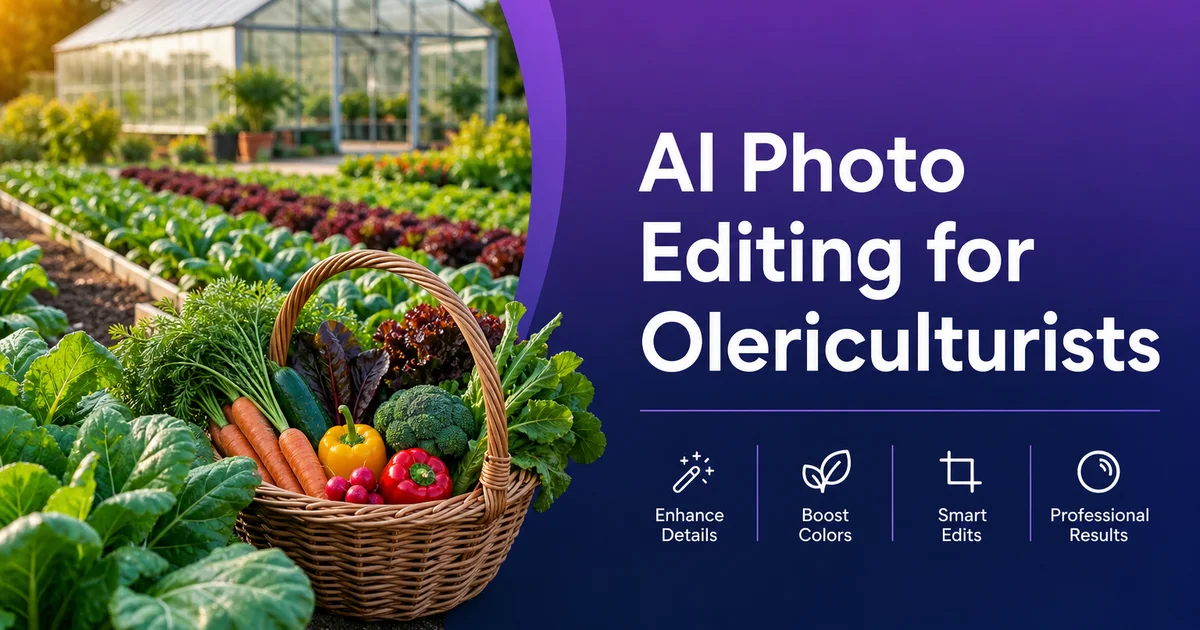
Овощеводство — наука и практика производства овощей, от селекции и отбора семян до возделывания и уборки. Послеуборочная обработка — на каждом этапе исследовательской и производственной цепочки опирается на визуальные записи. Сортоиспытания оценивают десятки или сотни сортов бок о бок, требуя стандартизированных фотографий, позволяющих честно визуально сравнивать размер, форму, окраску, выравненность плодов и частоту дефектов. Службы консультирования делятся рекомендациями по выращиванию и выявлением вредителей. Диагностика дефицита питательных веществ проводится по фотографиям, которые должны быть достаточно чёткими, чтобы по ним могли действовать овощеводы без специальной подготовки. Семеноводческие компании продвигают новые сорта через каталожные изображения, которые должны точно передавать визуальные признаки сорта покупателям, принимающим решения о посеве за месяцы до сезона выращивания.
Фотографическая трудность для овощеводов в том, что образцы овощей почти всегда документируются в полевых, тепличных или лабораторных условиях, которые предсказуемым образом ухудшают качество изображения. Полевая съёмка означает изменчивое естественное освещение, меняющееся в зависимости от облачности и времени суток, а также фоны из почвы и листвы, визуально конкурирующие с образцом. Поливное оборудование, делянковые таблички и соседние растения вторгаются в кадр. Тепличная съёмка добавляет эффект смещения цвета от остекляющих материалов и досветки, искажающей окраску овощей. Лабораторная съёмка и съёмка в сортировочной могут иметь достаточное освещение, но часто содержат захламлённые рабочие поверхности и оборудование, создающие бесполезный визуальный контекст для публикационных изображений.
Инструменты ИИ-редактирования фотографий решают эти задачи, доводя съёмку образцов, выполненную в практических рабочих условиях, до стандарта, требуемого для научных публикаций, консультационных бюллетеней и коммерческих каталогов. Удаление фона изолирует образцы от обстановки съёмки. Цветокоррекция компенсирует недостатки освещения полевых и тепличных условий. Усиление детализации выявляет признаки поверхности. Цветовые градиенты, текстурные узоры, восковой налёт и индикаторы дефектов — несущие фенотипическую информацию, на которую овощеводство опирается при оценке сортов, классификации качества и диагностическом общении.
- Background Eraser изолирует образцы овощей из тепличной, полевой и лабораторной среды для единообразной научной документации и каталожного представления.
- AI Enhance восстанавливает точные цвета, искажённые остеклением теплицы, досветкой и изменчивыми полевыми условиями, которые ухудшают документирование окраски сорта.
- Magic Eraser удаляет делянковые таблички, поливное оборудование и полевую инфраструктуру, отвлекающие от документирования фенотипа растения в исследовательских публикациях.
- Единообразная постобработка всех фотографий сортоиспытаний обеспечивает честное визуальное сравнение характеристик сортов без искажений, вносимых различиями среды.
- Пакетная ИИ-обработка масштабирует документирование образцов с отдельных фотографий до сотен изображений за сезон испытаний, которые порождают комплексные программы оценки сортов.
Почему точная документация цвета критически важна в овощеводстве
Цвет — самый информационно насыщенный визуальный признак в овощеводстве. Цвет томата указывает на его сортовую принадлежность, стадию зрелости, содержание ликопина, условия выращивания и историю послеуборочной обработки. Цвет перца отличает его сортовую классификацию. Болгарский, банановый, черри, хабанеро — и его стадию зрелости от незрелого зелёного через промежуточный жёлтый или оранжевый до спелого красного, причём каждая стадия несёт разные признаки вкуса, питательности и рыночной ценности. Цвет листовых овощей раскрывает азотный статус, водный стресс, наличие болезней и сортоспецифичную концентрацию хлорофилла. В любом случае цвет, запечатлённый на фотографии, должен точно передавать цвет, наблюдаемый вживую, иначе фотография терпит неудачу как научный документ и вводит в заблуждение любого, кто использует её для принятия решений.
Задача точности цвета усугубляется биологическим разнообразием пигментации овощей. Она охватывает весь видимый спектр и включает поверхности со сложными оптическими свойствами, которые камеры с трудом передают достоверно. Восковой налёт на баклажане, брокколи и винограде создаёт сизо-серо-голубое покрытие, которое автоматический баланс белого камеры часто нейтрализует. Антоциановые пигменты, отвечающие за фиолетовую и красную окраску капусты, радиккио и фиолетовой моркови, смещают оттенок в зависимости от pH клеток, и эти тонкие смещения. Видимые натренированному глазу вживую — легко теряются на сжатых изображениях JPEG. Глянцевые поверхности перцев и томатов создают зеркальные блики, которые вводят в заблуждение системы экспозамера камеры, заставляя их недодерживать окружающий цвет.
ИИ-цветокоррекция решает эти задачи, анализируя изображение целостно, а не корректируя яркость и контраст глобально. ИИ определяет тип поверхности образца. Матовая, глянцевая, восковая, опушённая — и соответственно подстраивает подход к обработке цвета, восстанавливая сизый налёт, который удалил автоматический баланс белого, отличая зеркальные блики от рассеянного цвета поверхности и сохраняя тонкие цветовые градиенты, несущие информацию о зрелости и физиологии. Когда в исходную фотографию включена карта цветовой калибровки, ИИ использует её как опорную, чтобы рассчитать точную необходимую цветокоррекцию для отображения снятых цветов в их истинные значения, компенсируя любые недостатки освещения, привнесённые исходными условиями съёмки.
- Цвет овощей одновременно указывает на сортовую принадлежность, стадию зрелости, содержание питательных веществ, условия выращивания и послеуборочную обработку — что делает точность необходимой для научной достоверности.
- Сложные биологические поверхности — восковой налёт, антоциановые пигменты, глянцевые зеркальные покрытия — создают оптические свойства, которые стандартная обработка камеры обрабатывает плохо или разрушительно.
- ИИ-цветокоррекция различает типы поверхностей и подстраивает обработку индивидуально, а не применяет глобальные правки, которые ухудшают одни цветовые признаки, улучшая другие.
- Карты цветовой калибровки на исходных фотографиях дают опорные данные для точной ИИ-коррекции, отображающей снятые цвета в истинные значения образца независимо от освещения при съёмке.
Удаление фона для сравнения сортоиспытаний и каталожной презентации
Сортоиспытания — основа исследований в овощеводстве и оценки коммерческой селекции овощей; программы испытаний фотографируют от десятков до сотен сортов каждый сезон для сравнения бок о бок. Когда каждый сорт снят на одном и том же нейтральном фоне в одном масштабе, визуальное сравнение становится простым. Различия в размере, форме, насыщенности цвета, выравненности и частоте дефектов плодов сразу очевидны, потому что они — единственные переменные в наборе изображений. Когда сорта сняты на разных фонах. Одни на почве, одни на тепличных столах, одни на белой бумаге, одни на сортировочных столах — визуальный шум от различий фона смешивает законные сортовые различия, которые сравнение призвано выявить.
Background Eraser справляется со специфическими задачами выделения образцов овощей, которые отличают его от обычной предметной съёмки. У листовых овощей сложные неровные края с тонкими полупрозрачными краями листьев, которые простые методы обнаружения границ либо обрезают слишком агрессивно, либо оставляют с краевыми артефактами. Корнеплоды, снятые с почвой, всё ещё прилипшей к их поверхности, требуют, чтобы ИИ различал почву, являющуюся фоном, и почву, являющуюся частью представления образца. Плоды, прикреплённые к лозе — томаты на кисти, огурцы на стебле, горох в стручке — нуждаются в избирательном удалении фона, сохраняющем естественный контекст прикрепления и одновременно устраняющем тепличную или полевую обстановку позади них.
Для отображения в семенном каталоге чистый фон служит как эстетическим, так и информационным целям. Покупатели по каталогу принимают решения о выборе сорта на основе фотографий. Им нужно видеть цвет, форму и размер овоща без визуальной помехи в виде испытательной делянки селекционера или студийного оборудования фотографа. Единообразный белый или нейтральный фон по всем сортам каталога позволяет взгляду покупателя перемещаться между сортами и сразу замечать различия. ИИ-удаление фона делает такое единообразие достижимым, даже когда сорта были сняты в разных местах, в разное время сезона или разными фотографами. Постобработка приводит все изображения к одному и тому же чистому стандарту отображения.
- Фотографии сортоиспытаний требуют нейтрального фона для честного сравнения — различия фона между условиями съёмки смешивают законные сортовые различия.
- Листовые овощи с полупрозрачными краями, корнеплоды с прилипшей почвой и плоды, прикреплённые к лозе, каждый ставят свои задачи выделения, которые ИИ решает с учётом контекста.
- Представление в семенном каталоге требует единообразного фона по всем сортам для эффективного сравнения покупателем независимо от того, когда, где и кем были сняты сорта.
- ИИ-удаление фона приводит изображения из разных мест, сезонов и от разных фотографов к одному и тому же чистому стандарту, которого требуют научное сравнение и каталожное представление.
Документирование здоровья растений, дефектов и диагностических индикаторов
Службы консультирования и кафедры фитопатологии опираются на фотографические записи, чтобы делиться выявлением вредителей, симптомами болезней и диагнозами дефицита питательных веществ. Распознаванием физиологических расстройств с овощеводами, которые могут не иметь формальной подготовки в науке о растениях. Эти диагностические фотографии должны быть достаточно чёткими, чтобы овощевод мог сравнить симптомы собственного растения с эталонным изображением и прийти к правильному определению. Различие между внесением правильного и неправильного фунгицида, между исправлением дефицита питательных веществ и тратой дорогостоящих ресурсов. ИИ-усиление улучшает видимость диагностических признаков, направляющих эти определения: специфический рисунок пожелтения, отличающий дефицит азота от железного хлороза, морфологию поражений, отделяющую бактериальную пятнистость от грибного антракноза, аномалии характера роста, указывающие на вирусную инфекцию.
Magic Eraser вносит вклад в диагностическую съёмку, удаляя нежелательные элементы, конкурирующие с диагностическим объектом. Фотография, призванная показать ранние симптомы фитофтороза на листе томата, эффективнее, когда удалена капельная лента полива, проходящая за листом, когда убрана делянковая колышковая табличка, видимая сквозь полог. Когда соседнее здоровое растение, визуально конкурирующее с симптоматичным образцом, устранено из кадра. Эти удаления не изменяют диагностическое содержание. Симптомы остаются ровно такими, какими были сняты — но они сосредотачивают внимание зрителя на значимой информации, а не заставляют его визуально отделять диагностические детали от средового беспорядка.
Для исследовательских публикаций, документирующих скрининг устойчивости к болезням, ИИ-редактирование создаёт единообразное представление инокулированных опытных растений по группам обработки и блокам повторности. Когда оценки тяжести болезни иллюстрируются фотографиями, изображения должны позволять читателям откалибровать собственную оценку по опубликованной шкале баллов. Несоответствия фона и освещения между фотографиями, сделанными в разное время, в разных частях теплицы или при разных погодных условиях, могут заставить равную тяжесть болезни выглядеть по-разному на фотографиях, подрывая цель калибровки. ИИ-нормализация фона, цветовой температуры и экспозиции по всему набору изображений гарантирует, что визуальные различия тяжести на фотографиях соответствуют действительным различиям тяжести у растений.
- Консультационные диагностические фотографии должны быть достаточно чёткими, чтобы овощеводы без формальной подготовки могли сопоставлять симптомы растений с эталонными изображениями для правильного определения вредителей и болезней.
- Magic Eraser удаляет поливное оборудование, делянковые таблички и соседние растения, конкурирующие с диагностическими объектами, не изменяя документируемых симптомов.
- ИИ-усиление улучшает видимость конкретных диагностических признаков — рисунков пожелтения, морфологии поражений и аномалий роста — направляющих правильное определение и решения о лечении.
- Нормализованная постобработка всех фотографий испытаний по скринингу болезней гарантирует, что визуальные различия тяжести соответствуют действительным различиям растений, а не артефактам условий съёмки.
Масштабирование документации образцов по сезонам выращивания и программам испытаний
Полная программа сортоиспытаний овощей порождает от сотен до тысяч фотографий образцов за сезон выращивания. Программа селекции томата, оценивающая двести продвинутых линий в трёх повторностях, фотографирует каждую линию на нескольких стадиях зрелости. Зелёный плод, стадия начала окрашивания, полная окраска — плюс снимки в разрезе для документирования признаков внутреннего качества, таких как толщина стенки, число камер и заполнение гелем. Умножьте это на несколько полевых пунктов и несколько сезонов выращивания. Фотоархив разрастается до десятков тысяч изображений, которые должны быть обработаны по единому стандарту для осмысленного межсезонного и межпунктового сравнения.
Пакетная ИИ-обработка превращает эту нагрузку по документированию из непрактичного узкого места в управляемый производственный шаг. Настройте рабочий процесс, в котором полевые фотографы снимают образцы с эталоном цветовой калибровки и масштабной меткой, импортируют пакет в конце каждой съёмочной сессии, применяют автоматическое удаление фона и цветокоррекцию. Усиление ко всему набору и экспортируют стандартизированные изображения, готовые для базы данных испытаний. Время обработки становится пропорциональным числу образцов, а не индивидуальной сложности редактирования каждого изображения, что делает полное документирование крупных программ испытаний практичным там, где ручное редактирование каждой фотографии потребовало бы времени персонала, которого селекционные программы не могут выделить.
Долгосрочная согласованность базы данных особенно важна для программ овощеводства, отслеживающих показатели сортов на протяжении лет. Когда селекционер сравнивает фотографии окраски плода линии за три сезона выращивания, фотографии должны быть сопоставимыми. Различия в цвете должны отражать подлинное генетическое проявление или реакцию на среду, а не различия условий съёмки между годами. ИИ-обработка с единообразными параметрами и эталонными картами цветовой калибровки создаёт архивы, в которых многолетнее визуальное сравнение научно достоверно, а не искажено накопленной вариацией разных камер, разного освещения. Разных фотографов на протяжении жизни долгосрочной селекционной программы.
- Комплексные сортоиспытания порождают от сотен до тысяч фотографий образцов за сезон, которые ручное редактирование не может обработать в рамках практических ограничений по времени и персоналу.
- Пакетные ИИ-процессы — удаление фона, цветокоррекция и усиление, применяемые ко всему импорту сессии — делают документирование пропорциональным числу образцов, а не сложности редактирования.
- Долгосрочная согласованность базы данных гарантирует, что многолетние фотографические сравнения отражают подлинные сортовые различия, а не накопленную вариацию условий съёмки от сезона к сезону.
- Эталонные карты цветовой калибровки в сочетании с единообразными параметрами ИИ-обработки создают научно достоверные визуальные архивы для селекционных программ, охватывающих многие сезоны выращивания.
How to do it
- 1
Photograph vegetable specimens with standardized lighting and scale references
Set up a photography station with diffuse even lighting to minimize harsh shadows and specular highlights on waxy or glossy vegetable surfaces. Include a color calibration card and physical scale ruler in each frame to ensure accurate color reproduction and size measurement across the entire records set. Photograph each specimen from standardized angles. Top view, side profile, and cross-section if applicable — to capture the morphological traits that olericulture research and quality assessment depend on.
- 2
Remove field and laboratory backgrounds for clean specimen documentation
Use Background Eraser to isolate vegetable specimens from greenhouse benches, field soil, laboratory countertops, and sorting tables. Clean backgrounds focus attention on the specimen itself and create visual consistency across varieties, growing conditions. Harvest dates that would otherwise be visually confused by different photographing settings. Use a standardized neutral gray or white background that does not compete with or influence the perception of vegetable color.
- 3
Enhance color accuracy and surface detail for cultivar documentation
Use AI Enhance to improve color fidelity and surface detail that field and greenhouse lighting conditions often compromise. Accurate color is critical in olericulture for documenting cultivar traits, assessing ripeness stages, identifying nutritional deficiency symptoms, and grading produce quality. Boost brings out the subtle color variations. The gradient from green to red on a ripening tomato, the bloom on a fresh eggplant, the vein coloring in leafy greens — that distinguish cultivars and indicate physiological condition.
- 4
Remove plot markers, irrigation equipment, and field infrastructure from trial documentation
Use Magic Eraser to remove the field infrastructure that appears in trial records photographs. Plot marker stakes and labels, drip irrigation tubing and emitters, row cover fabric, weather station sensors, and neighboring trial plots with different treatments. These elements provide key field management information but distract from the plant phenotype being documented for publication in research reports, extension bulletins, and seed catalog variety descriptions.
- 5
Prepare consistent image sets for variety trials, publications, and extension materials
Export edited specimen photographs at standardized dimensions and resolution suitable for research publications, agricultural extension bulletins, seed catalog variety descriptions, and digital variety comparison databases. Consistent background, lighting quality, and framing across all varieties in a trial or catalog enables fair visual comparison that helps growers, seed buyers, and researchers evaluate cultivar differences without the confounding visual noise of different photography conditions.
Источники
- Standards for Phenotypic Imaging in Plant Science Research — International Plant Phenomics Network
- Digital Photography for Agricultural Extension and Research Documentation — Food and Agriculture Organization of the United Nations
- Visual Quality Assessment Standards for Fresh Vegetables — USDA Agricultural Marketing Service