
कृमि विज्ञानियों के लिए AI फोटो संपादन — Magic Eraser
कृमि विज्ञानी AI फोटो संपादन का उपयोग परजीवी कृमि नमूना रिकॉर्ड, वर्गीकरण फोटोग्राफी और शोध प्रकाशनों के लिए कैसे करते हैं। आकृति विज्ञान विवरण बढ़ाएं और प्रकाशन-तैयार प्लेट बनाएं।

Content Lead
समीक्षा द्वारा Magic Eraser Editorial ·
विषय सूची
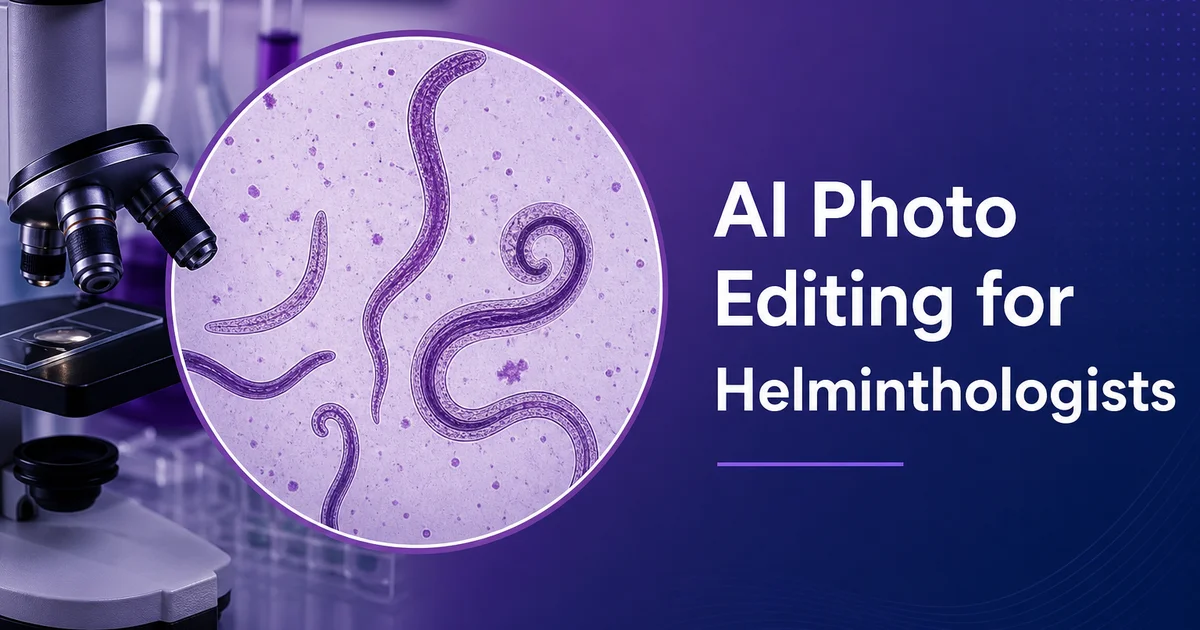
कृमिविज्ञान — सूत्रकृमि, फीताकृमि, पर्णकृमि सहित परजीवी कृमियों का अध्ययन। शूकशीर्षी कृमि — प्रजाति पहचान, वर्गिकीय विवरण, महामारी विज्ञान अनुसंधान और नैदानिक निदान के लिए उच्च गुणवत्ता वाली सूक्ष्मदर्शी फोटोग्राफी पर भारी रूप से निर्भर करता है। वस्तुतः प्रत्येक कशेरुकी और कई अकशेरुकी मेज़बानों पर परजीवी रूप में पाई जाने वाली हज़ारों वर्णित कृमि प्रजातियों के साथ। वन्यजीव सर्वेक्षणों और नैदानिक परिवेशों में हर वर्ष नई प्रजातियाँ खोजी जा रही हैं, ऐसे में स्पष्ट, विस्तृत, मानकीकृत छवियाँ बनाने की क्षमता उन शोधकर्ताओं के लिए महत्वपूर्ण है जो वैश्विक परजीवी विविधता को प्रलेखित करने और दुनिया भर में एक अरब से अधिक लोगों को प्रभावित करने वाले कृमि संक्रमणों से लड़ने के लिए कार्य कर रहे हैं।
कृमिविज्ञान में फोटोग्राफी की चुनौतियाँ जैविक विषयों में अद्वितीय हैं। कृमि सैकड़ों माइक्रोमीटर में मापे जाने वाले सूक्ष्मदर्शीय सूत्रकृमि लार्वा से लेकर कई मीटर लंबाई तक फैले फीताकृमियों तक होते हैं, जिनके लिए एक विशाल पैमाने की सीमा में प्रतिबिंबन आवश्यक होता है। नमूने अक्सर पारदर्शी या अर्ध-पारदर्शी होते हैं, जिनके लिए आंतरिक शरीररचना को देखने हेतु विशेष अभिरंजन और स्वच्छीकरण तकनीकों की आवश्यकता होती है। स्वच्छीकारक कारकों में आरोपण प्रकाशिक कृत्रिमताएँ उत्पन्न करता है। वायु बुलबुले, माध्यम का क्रिस्टलीकरण, अवक्षेपित रंजक, और मेज़बान ऊतक संदूषण — जो ठीक उन्हीं संरचनाओं को ढक देते हैं जिन्हें शोधकर्ताओं को प्रलेखित करना होता है। स्वच्छित पूर्ण-आरोपणों की त्रि-आयामी आंतरिक शरीररचना को द्वि-आयामी माध्यम के द्वारा अभिग्रहीत करना पड़ता है, जहाँ विभिन्न फोकस तल विभिन्न अंग तंत्रों को प्रकट करते हैं।
AI फोटो संपादन उपकरण उस श्रम-गहन उत्तर-प्रसंस्करण को स्वचालित करके इन विशिष्ट चुनौतियों का समाधान करते हैं जो कृमिविज्ञानी प्रकाशन के लिए नियत प्रत्येक सूक्ष्मदर्शी छवि पर करते हैं। पृष्ठभूमि स्वच्छीकरण उन आरोपण कृत्रिमताओं को हटाता है जो सावधानीपूर्वक तैयार स्लाइडों को भी संदूषित कर देती हैं। विवरण संवर्धन सूक्ष्म आकारिक संरचनाओं को पुनःप्राप्त करता है। शीर्ष का अंकुश-कवच, मुख कोश के दाँत, प्रजनन अंग शरीररचना — जो निदानात्मक रूप से महत्वपूर्ण हैं किंतु अक्सर उप-इष्टतम अभिरंजन या पुरानी स्लाइड तैयारियों के कारण अस्पष्ट रह जाती हैं। बैच प्रसंस्करण बहु-सत्र सूक्ष्मदर्शी कार्य से प्राप्त छवियों को मानकीकृत करता है जहाँ प्रकाश की स्थितियाँ स्लाइडों के बीच बदल गई थीं। प्रयोगशाला कार्य, क्षेत्र कार्य, अध्यापन के बीच संतुलन साधने वाले परजीवीविज्ञानियों के लिए। और प्रकाशन समयसीमाओं के बीच, कुशल छवि प्रसंस्करण एक व्यावहारिक आवश्यकता है जो अनुसंधान उत्पादन को सीधे तेज़ करती है।
- पृष्ठभूमि हटाना स्वच्छ प्रकाशन छवियों के लिए कृमि नमूनों को आरोपण माध्यम कृत्रिमताओं, वायु बुलबुलों, रंजक अवक्षेपों, और मेज़बान ऊतक संदूषण से पृथक करता है।
- AI संवर्धन निदानात्मक रूप से महत्वपूर्ण संरचनाओं — शीर्ष अंकुश, मुख कोश, चूषक आकारिकी, और प्रजनन शरीररचना — को तीक्ष्ण करता है, जो परजीवीविज्ञान में प्रजाति पहचान को संचालित करती हैं।
- Magic Eraser नमूने की आकारिकी को बदले बिना आवरण-काँच के मलबे, आरोपण माध्यम के क्रिस्टलीकरण, और तैयारी कृत्रिमताओं को हटाता है।
- बैच प्रसंस्करण बहु-सत्र कार्य से प्राप्त सूक्ष्मदर्शी छवियों को मानकीकृत करता है जहाँ प्रकाश, अभिरंजन तीव्रता, और उपकरण सेटिंग्स स्लाइडों के बीच भिन्न थीं।
- कैलिब्रेटेड स्केल बार के साथ 300 DPI पर प्रकाशन-तैयार निर्यात वर्गिकीय विवरणों और परजीवीविज्ञान शोधप्रबंधों के लिए पत्रिका की आवश्यकताओं को पूरा करते हैं।
कृमि इमेजिंग के लिए माइक्रोस्कोपी चुनौतियां और AI-सहायित पोस्ट-प्रोसेसिंग
कृमि फोटोग्राफी की मूलभूत चुनौती यह है कि अधिकांश परजीवी कृमि पारदर्शी या लगभग पारदर्शी होते हैं, जिनके लिए आंतरिक शरीररचना को देखने हेतु स्वच्छीकरण और अभिरंजन की आवश्यकता होती है। मानक तैयारियाँ शरीर भित्ति को पारदर्शी बनाने के लिए लैक्टोफेनॉल, ग्लिसरीन-जेली, या कनाडा बालसम जैसे स्वच्छीकारक कारकों का उपयोग करती हैं। एसीटो-कारमीन, सेमिशन कारमीन, या हेमाटॉक्सिलिन जैसे रंजक विशिष्ट ऊतक प्रकारों को उजागर करते हैं। परिणामी नमूने आंतरिक अंगों को एक स्वच्छित पृष्ठभूमि के सामने पारदर्शी या अर्ध-पारदर्शी शरीर में निलंबित रंगीन संरचनाओं के रूप में दर्शाते हैं। इन तैयारियों की फोटोग्राफी के लिए सूक्ष्मदर्शी प्रकाश के सावधानीपूर्वक प्रबंधन की आवश्यकता होती है। संघनित्र स्थिति, डायाफ्राम छिद्र, और प्रकाश तीव्रता — ताकि अभिरंजित संरचनाओं और आसपास के स्वच्छित ऊतक के बीच इष्टतम विषमता प्राप्त हो सके।
AI उत्तर-प्रसंस्करण उन अपूर्णताओं की भरपाई करता है जो वास्तविक सूक्ष्मदर्शिकी में समय के साथ उत्पन्न होती हैं। सुव्यवस्थित उपकरणों के साथ कार्य करने वाले अनुभवी कृमिविज्ञानी भी क्षेत्र भर में असमान प्रकाश, कुछ ऊतक क्षेत्रों में उप-इष्टतम विषमता वाली छवियाँ उत्पन्न करते हैं। आरोपण प्रक्रिया से उत्पन्न पृष्ठभूमि कृत्रिमताएँ। AI रंग सुधार और विषमता संवर्धन इन असंगतियों को मानकीकृत करते हैं, विभिन्न सत्रों में, विभिन्न अभिरंजन बैचों के साथ, और विभिन्न आवर्धनों पर ली गई छवियों से संयोजित एक संपूर्ण आकृति फलक में एकसमान छवि गुणवत्ता उत्पन्न करते हैं। यह मानकीकरण सतही नहीं है — यह सुनिश्चित करता है कि फोटोग्राफों से लिए गए आकारिक मापन विभिन्न तैयारियों के बीच तुलनीय हों।
पुरालेखीय नमूनों के लिए — समस्थानिक और परास्थानिक स्लाइडें जो दशकों या यहाँ तक कि एक शताब्दी पुरानी हो सकती हैं — फोटोग्राफी की चुनौतियाँ कई गुना बढ़ जाती हैं। आरोपण माध्यम समय के साथ क्षरित होते हैं, सीलें विफल होने पर क्रिस्टलीय अवक्षेप, पीलापन विवर्णन, और बुलबुला निर्माण विकसित करते हैं। रंजक असमान रूप से फीके पड़ते हैं, कुछ संरचनाएँ रंग बनाए रखती हैं जबकि अन्य लगभग अदृश्य हो जाती हैं। AI संवर्धन शेष रंजक की विषमता को अधिकतम करके और पुराने आरोपण माध्यमों की कृत्रिमताओं को दबाकर इन क्षरित तैयारियों से विवरण पुनःप्राप्त कर सकता है, जिससे अपूरणीय सामग्री को क्षति पहुँचाने का जोखिम उठाने वाले भौतिक प्रबंधन के बिना आधुनिक वर्गिकीय संशोधनों के लिए प्ररूप नमूनों को पुनः फोटोग्राफ करना संभव हो जाता है।
- स्वच्छित और अभिरंजित कृमि नमूनों को आंतरिक अंगों और आसपास के पारदर्शी ऊतक के बीच इष्टतम विषमता प्राप्त करने के लिए सटीक सूक्ष्मदर्शी प्रकाश समायोजन की आवश्यकता होती है।
- AI रंग सुधार तुलनीय आकारिक मापन सुनिश्चित करने के लिए विभिन्न सत्रों, अभिरंजन बैचों, और आवर्धनों की छवियों के बीच असंगतियों को मानकीकृत करता है।
- क्षरित स्लाइडों पर पुरालेखीय नमूने AI संवर्धन से लाभान्वित होते हैं जो फीके रंजक की विषमता को पुनःप्राप्त करता है और पुराने आरोपण माध्यमों से कृत्रिमताओं को दबाता है।
- उत्तर-प्रसंस्करण ऐसे नमूनों के भौतिक पुनः-तैयारी की आवश्यकता के बिना वास्तविक सूक्ष्मदर्शिकी की अपूर्णताओं की भरपाई करता है जो नाज़ुक या अपूरणीय हो सकते हैं।
प्रमुख कृमि समूहों में नैदानिक विशेषताओं को बढ़ाना
फीताकृमि वर्गिकी — फीताकृमियों का वर्गीकरण — शीर्ष की आकारिकी पर भारी रूप से निर्भर करती है, जो अग्र छोर पर स्थित संलग्नन अंग है। शीर्ष चूषकों, अंकुशों, खाँचों, या तंतुओं के प्रजाति-विशिष्ट संयोजन धारण करता है जिनकी संख्या, आकार, विन्यास। सूक्ष्म संरचना प्राथमिक निदानात्मक लक्षण हैं। कई प्रजातियों में, शीर्ष अंकुश पचास माइक्रोमीटर से कम लंबे होते हैं और उनके आकार, वक्रता, और रक्षक-से-फलक अनुपात को सटीक रूप से प्रलेखित करने के लिए उच्च आवर्धन पर फोटोग्राफ करना पड़ता है। AI संवर्धन इन सूक्ष्म संरचनाओं को तीक्ष्ण करता है, जिससे प्रत्येक अंकुश की आकारिकी उन फोटोग्राफों में स्पष्ट रूप से दृश्यमान हो जाती है जो अन्यथा अभिरंजित ऊतक पृष्ठभूमि के सामने अस्पष्ट गहरे बिंदु ही दर्शाते।
सूत्रकृमि पहचान अक्सर मुख कोश आकारिकी पर निर्भर करती है। मुख उद्घाटन और संबद्ध कर्तन या पेषण उपकरण की संरचना। अंकुशकृमियों और स्ट्रॉन्जिलिडों में, मुख कोश में दाँत या कर्तन पट्टिकाएँ होती हैं जिनका आकार और विन्यास उन वंशों और प्रजातियों को विभेदित करता है जो प्रमुख मानव और पशु चिकित्सीय रोगों के लिए उत्तरदायी हैं। ये संरचनाएँ माइक्रोमीटर में मापी जाती हैं और अग्र छोर के आर-पार सटीक प्रकाशिक अनुप्रस्थ काट में फोटोग्राफ की जानी चाहिए। AI विवरण संवर्धन मुख कोश भित्तियों के सूक्ष्म किनारों, दाँत रूपरेखाओं को पुनःप्राप्त करता है। ग्रासनली संधि विवरण जिन्हें मानक सूक्ष्मदर्शी फोटोग्राफ अक्सर तीक्ष्ण निदानात्मक संरचनाओं के बजाय धुँधले संक्रमणों के रूप में प्रस्तुत करते हैं।
पर्णकृमि वर्गिकी — फ्ल्यूक का वर्गीकरण — मुख और उदर चूषकों के सापेक्ष आकार और स्थिति, आंत्र अंधनालों के शाखन प्रतिरूप पर निर्भर करती है। जटिल प्रजनन तंत्र के विन्यास पर जिसमें वृषण आकार और स्थिति, अंडाशय स्थान, गर्भाशय कुंडलन प्रतिरूप, और पीतक ग्रंथि वितरण सम्मिलित हैं। प्रजाति पहचान के लिए इन संरचनाओं का पूर्ण-आरोपण फोटोग्राफों में स्पष्ट रूप से दृश्यमान होना आवश्यक है। AI संवर्धन स्वच्छित और अभिरंजित नमूने के भीतर प्रत्येक अंग तंत्र की विषमता और तीक्ष्णता बढ़ाता है, जिससे उन संरचनाओं का एक साथ दृश्यांकन संभव होता है जो चपटे पूर्ण-आरोपण के भीतर थोड़े भिन्न फोकस तलों पर स्थित हो सकती हैं।
- पचास माइक्रोमीटर जितने छोटे फीताकृमि शीर्ष अंकुशों को फीताकृमि प्रजाति पहचान के लिए महत्वपूर्ण आकार, वक्रता, और रक्षक-से-फलक अनुपात को प्रलेखित करने हेतु AI तीक्ष्णीकरण की आवश्यकता होती है।
- सूत्रकृमि मुख कोश आकारिकी — दाँत, कर्तन पट्टिकाएँ, और ग्रासनली संधियाँ — के लिए AI विवरण पुनःप्राप्ति द्वारा संवर्धित सटीक प्रकाशिक अनुप्रस्थ काट फोटोग्राफी आवश्यक है।
- पर्णकृमि पूर्ण-आरोपण फोटोग्राफी AI विषमता संवर्धन से लाभान्वित होती है जो थोड़े भिन्न फोकस तलों पर एक साथ कई अंग तंत्रों का दृश्यांकन करती है।
- AI संवर्धन उन संरचना सीमाओं को तीक्ष्ण करके फोटोग्राफों से निदानात्मक मापन को अधिक सटीक बनाता है जो वर्गिकीय रूप से महत्वपूर्ण आयामों को परिभाषित करती हैं।
नैदानिक परजीवी विज्ञान और नैदानिक छवि प्रलेखन
वर्गिकीय अनुसंधान से परे, नैदानिक परजीवीविज्ञान परिवेशों में कार्यरत कृमिविज्ञानियों को रोगी निदान, प्रकरण रिपोर्टों, अध्यापन संग्रहों, और गुणवत्ता आश्वासन कार्यक्रमों के लिए उच्च गुणवत्ता वाली छवियों की आवश्यकता होती है। नैदानिक प्रयोगशाला नमूने — मल तैयारियाँ, रक्त फिल्म, और ऊतक बायोप्सी — तैयार किए गए अनुसंधान नमूनों से भिन्न फोटोग्राफी चुनौतियाँ प्रस्तुत करते हैं। मल तैयारियों में प्रचुर मलबा होता है जो परजीवी अंडों और लार्वा को ढक सकता है। रक्त फिल्म लाल रक्त कोशिकाओं और श्वेत रक्त कोशिकाओं की पृष्ठभूमि के सामने माइक्रोफाइलेरिया जैसे परजीवियों को दर्शाती हैं। ऊतक काट मेज़बान सूजन प्रतिक्रिया से घिरे अनुप्रस्थ काट में कृमियों को दर्शाते हैं। प्रत्येक स्थिति में, AI पृष्ठभूमि स्वच्छीकरण और विवरण संवर्धन परजीवी को उसके नैदानिक आधात्री से पृथक करने में सहायता करते हैं।
नैदानिक परजीवीविज्ञान में गुणवत्ता आश्वासन मानकीकृत संदर्भ छवियों पर निर्भर करता है। दक्षता परीक्षण कार्यक्रम अज्ञात नमूनों को नैदानिक प्रयोगशालाओं में भेजते हैं और मूल्यांकन करते हैं कि क्या तकनीशियन उपस्थित परजीवियों की सही पहचान करते हैं। प्रशिक्षण और तुलना के लिए उच्च गुणवत्ता वाली संदर्भ छवियों की एक लाइब्रेरी बनाए रखना प्रयोगशाला प्रत्यायन के लिए महत्वपूर्ण है। AI फोटो संपादन प्रयोगशालाओं को सुसंगत पृष्ठभूमियों, मानकीकृत अभिरंजन तीव्रता के साथ अपनी स्वयं की नैदानिक सामग्री से मानकीकृत छवि समुच्चय बनाने में सक्षम बनाता है। संवर्धित संरचनात्मक विवरण जो परजीवी पहचान प्रशिक्षण के लिए साथ-साथ तुलना को व्यावहारिक बनाता है।
परजीवीविज्ञान में दूरचिकित्सा और दूरस्थ परामर्श भौतिक स्लाइडों के बजाय प्रेषित छवियों पर तेज़ी से निर्भर हो रहे हैं। ग्रामीण क्लिनिक में एक चिकित्सक स्मार्टफोन से सूक्ष्मदर्शी नेत्रिका के माध्यम से एक मल तैयारी या रक्त फिल्म फोटोग्राफ करता है और पहचान के लिए छवि को एक संदर्भ प्रयोगशाला में किसी परजीवीविज्ञानी को भेजता है। ये छवियाँ अक्सर उप-इष्टतम होती हैं — खराब प्रकाश, नेत्रिका युग्मन से प्रकाशिक विरूपण। स्मार्टफोन कैमरे की सीमाएँ सभी छवि गुणवत्ता को घटाती हैं। AI संवर्धन इन तकनीकी रूप से अपूर्ण छवियों से निदानात्मक विवरण पुनःप्राप्त कर सकता है, संभवतः संसाधन-सीमित परिवेशों में दूरस्थ परजीवीविज्ञान परामर्शों की सटीकता में सुधार कर सकता है।
- मल तैयारियों, रक्त फिल्मों, और ऊतक काटों में नैदानिक प्रयोगशाला नमूनों को परजीवियों को मेज़बान सामग्री और मलबे से पृथक करने हेतु AI पृष्ठभूमि स्वच्छीकरण की आवश्यकता होती है।
- गुणवत्ता आश्वासन कार्यक्रम AI-मानकीकृत पृष्ठभूमियों, अभिरंजन तीव्रता, और संरचनात्मक संवर्धन के साथ बनाई गई मानकीकृत संदर्भ छवि लाइब्रेरियों से लाभान्वित होते हैं।
- दूरचिकित्सा परजीवीविज्ञान परामर्श प्रेषित छवियों पर निर्भर करते हैं जहाँ AI संवर्धन तकनीकी रूप से उप-इष्टतम स्मार्टफोन सूक्ष्मदर्शिकी से निदानात्मक विवरण पुनःप्राप्त करता है।
- AI-संवर्धित नैदानिक छवियों से निर्मित अध्यापन संग्रह प्रयोगशाला तकनीशियन प्रशिक्षण और दक्षता मूल्यांकन के लिए स्पष्ट निदानात्मक उदाहरण प्रदान करते हैं।
परजीवी विज्ञान पत्रिकाओं के लिए प्रकाशन कार्यप्रवाह और फिगर प्लेट असेंबली
परजीवीविज्ञान पत्रिकाओं की आकृति फलकों के लिए विशिष्ट आवश्यकताएँ होती हैं जिन्हें कृमिविज्ञानियों को पांडुलिपि स्वीकृति के लिए पूरा करना पड़ता है। Journal of Parasitology, Parasitology, और Systematic Parasitology सभी उपयोग किए गए सूक्ष्मदर्शी आवर्धन के अनुरूप कैलिब्रेटेड स्केल बार, शारीरिक संरचनाओं का सुसंगत लेबलिंग, और न्यूनतम विभेदन मानक अनिवार्य करती हैं। आकृति फलक अक्सर एक ही नमूने के कई दृश्यों को संयोजित करते हैं। पूर्ण-आरोपण, अग्र विवरण, शीर्ष या सिर क्षेत्र, प्रजनन शरीररचना, और अंडा आकारिकी — विभिन्न आवर्धनों पर किंतु एकीकृत दृश्य प्रस्तुति के साथ। AI बैच प्रसंस्करण विभिन्न सूक्ष्मदर्शी सत्रों से उद्भव के बावजूद सभी पट्टों में सुसंगत विषमता, पृष्ठभूमि, और स्वरीय गुणवत्ता सुनिश्चित करता है।
रेखाचित्रण अतीत में कृमि वर्गिकीय चित्रण के लिए स्वर्णमान रहा है क्योंकि एक कुशल चित्रकार अप्रासंगिक विवरण को दबाते हुए निदानात्मक लक्षणों पर चयनात्मक रूप से बल दे सकता है। कई वर्गिकीविद् तर्क देते हैं कि फोटोग्राफ चित्रों का स्थान नहीं ले सकते क्योंकि कैमरा बिना भेदभाव के सब कुछ अभिग्रहीत करता है। AI फोटो संपादन विशिष्ट संरचनाओं के चयनात्मक संवर्धन की अनुमति देकर इस अंतर को आंशिक रूप से पाटता है। प्राकृतिक रूप बनाए रखते हुए प्रजनन वाहिनियों की दृश्यता बढ़ाना, आसपास के ऊतक को सामान्य विषमता पर रखते हुए अंकुश रूपरेखाओं को तीक्ष्ण करना, और विशिष्ट निदानात्मक लक्षणों को ढकने वाली कृत्रिमताओं को हटाना। परिणाम एक ऐसा फोटोग्राफ है जो फोटोग्राफिक अभिलेखों की वस्तुनिष्ठता बनाए रखते हुए वर्गिकीय चित्र की स्पष्टता के निकट पहुँचता है।
विश्व भर के संग्रहालय संग्रहों से सैकड़ों नमूनों को सम्मिलित करने वाले पूर्ण वर्गिकीय संशोधनों के लिए, विभिन्न परिस्थितियों में विभिन्न सूक्ष्मदर्शियों के साथ विभिन्न संस्थानों में फोटोग्राफ की गई सामग्री में सुसंगत छवि गुणवत्ता वैध आकारिक तुलना के लिए महत्वपूर्ण है। प्रकाश, विषमता, और रंग संतुलन का AI मानकीकरण इस विषमांगी स्रोत सामग्री को एक दृश्य रूप से सुसंगत डेटासमुच्चय में रूपांतरित करता है जहाँ नमूनों के बीच आकारिक भिन्नताएँ फोटोग्राफिक कृत्रिमताओं के बजाय वास्तविक जैविक विचरण को प्रतिबिंबित करती हैं। यह सुसंगति विशेष रूप से उन आकारमितीय अध्ययनों के लिए महत्वपूर्ण है जहाँ शारीरिक मापन फोटोग्राफों से लिए जाते हैं और सांख्यिकीय विश्लेषण के अधीन किए जाते हैं।
- परजीवीविज्ञान पत्रिकाएँ कैलिब्रेटेड स्केल बार, सुसंगत लेबलिंग, और न्यूनतम विभेदन मानक अनिवार्य करती हैं जिन्हें AI बैच प्रसंस्करण बहु-पट्ट आकृति फलकों में बनाए रखने में सहायता करता है।
- विशिष्ट संरचनाओं का चयनात्मक AI संवर्धन फोटोग्राफिक वस्तुनिष्ठता बनाए रखते हुए पारंपरिक वर्गिकीय रेखाचित्रों की निदानात्मक स्पष्टता के निकट पहुँचता है।
- अनेक संस्थानों में फैले वर्गिकीय संशोधन AI मानकीकरण से लाभान्वित होते हैं जो सुनिश्चित करता है कि आकारिक भिन्नताएँ फोटोग्राफिक कृत्रिमताओं के बजाय जीवविज्ञान को प्रतिबिंबित करें।
- फोटोग्राफों से मापन का उपयोग करने वाले आकारमितीय अध्ययनों के लिए उस सुसंगत छवि गुणवत्ता की आवश्यकता होती है जो AI विषमता और प्रकाश मानकीकरण विषमांगी स्रोत सामग्री में प्रदान करता है।
How to do it
- 1
Photograph helminth specimens with standardized microscopy setups and scale calibration
Set up brightfield or differential interference contrast microscopy with calibrated magnification and a stage micrometer for scale reference. Photograph whole-mount specimens at multiple magnifications to capture both overall body plan and fine morphological details. Use consistent Kohler illumination to ensure even light distribution across the field of view. For cleared and stained specimens, optimize condenser settings to maximize contrast of internal structures like reproductive organs, digestive tracts, and attachment apparatus.
- 2
Remove distracting backgrounds and isolate specimens for publication
Use Background Eraser to isolate helminth specimens from mounting media artifacts, slide label edges, air bubbles. Debris that frequently appear in microscopy images. Parasitic worms mounted in clearing agents like lactophenol or glycerol often show background contamination from precipitated stain, dust particles. Host tissue fragments that obscure diagnostic features. Clean background isolation is key for taxonomic descriptions where every visible structure must be unambiguously attributable to the specimen.
- 3
Enhance fine morphological structures critical for species identification
Use AI Enhance to sharpen the internal structures that drive helminth spotting. Scolex hooks and suckers in cestodes, buccal capsule morphology in nematodes, oral and ventral sucker ratios in trematodes, and the complex reproductive anatomy that distinguishes closely related species. Many of these features are measured in micrometers and require maximum image clarity to document adequately for species descriptions published in parasitology journals.
- 4
Clean up preparation artifacts and staining inconsistencies
Use Magic Eraser to remove preparation artifacts. Air bubbles trapped under coverslips, mounting medium crystallization, stain precipitates, and damaged tissue fragments — without altering the specimen morphology. This is mainly valuable for archival specimens where decades-old slide preparations have developed artifacts from aging mounting media, faded staining. Coverslip adhesive deterioration that obscure taxonomically important features.
- 5
Prepare multi-panel figure plates and diagnostic image sets for publication
Arrange standardized whole-mount, cross-section, and detail views into publication-ready figure plates with consistent magnification indicators, scale bars, and annotation labels. Export at 300 DPI minimum for journal submission. For diagnostic guides and field manuals, prepare extra versions with key spotting features highlighted to assist veterinary and medical experts in clinical parasite spotting.
स्रोत
- Photomicrography Standards for Helminth Taxonomy — American Society of Parasitologists
- Best Practices for Parasitological Specimen Documentation — World Health Organization
- Digital Imaging Techniques for Invertebrate Morphology — Acta Tropica — Elsevier