
Fotoritocco AI per vessillologi: Documenta e analizza bandiere con Magic Eraser
Come i vessillologi utilizzano il fotoritocco AI per documentare bandiere, correggere colori sbiaditi, rimuovere artefatti di danno, isolare esemplari dagli sfondi e preparare immagini standardizzate per database di riferimento.

Content Lead
Revisionato da Magic Eraser Editorial ·
Indice
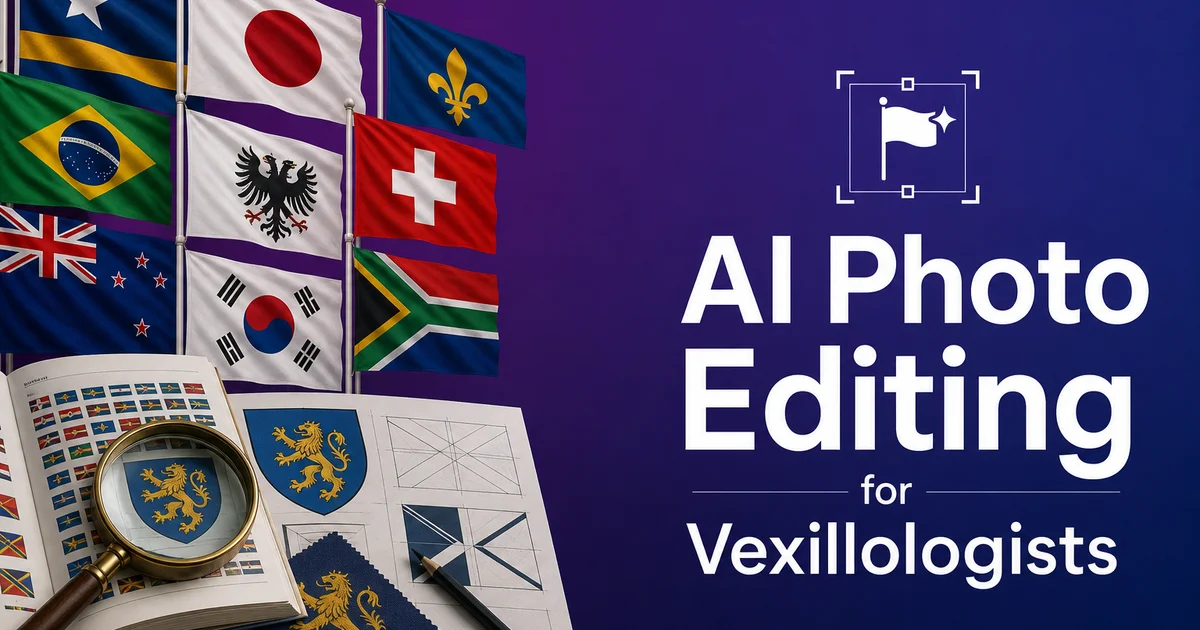
La vessillologia — lo studio accademico delle bandiere, della loro storia, del simbolismo e dei principi di progettazione — dipende fortemente da registrazioni visive accurate. Che si tratti di catalogare le bandiere di una nazione appena indipendente, di analizzare le figure araldiche su uno stendardo di battaglia medievale o di confrontare le varianti regionali di un'insegna storica, i vessillologi hanno bisogno di immagini che riproducano fedelmente colori, proporzioni, elementi di progettazione e caratteristiche materiali. Eppure le bandiere stesse vengono spesso incontrate in condizioni fotografiche difficili: sventolanti su pennoni contro cieli luminosi, esposte dietro il vetro di un museo con riflessi, conservate in archivi con secoli di scolorimento e danni fisici, o riprodotte in pubblicazioni con una stampa a colori poco affidabile.
In passato, le registrazioni vessillologiche si basavano su una combinazione di fotografia sul campo, accurata ricostruzione a mano e illustrazioni vettoriali normalizzate. Ogni approccio ha dei limiti. La fotografia sul campo cattura la bandiera così come la si incontra, ma introduce variabili di illuminazione, prospettiva e ambiente. La ricostruzione a mano dipende dall'abilità e dall'interpretazione dell'artista. L'illustrazione vettoriale normalizza il disegno, ma perde il carattere materiale e la specificità storica degli esemplari reali. Gli strumenti di fotoritocco basati sull'IA offrono un approccio equivalente in grado di portare le fotografie sul campo a una qualità da archivio, correggere il degrado del colore. Ricostruire le aree danneggiate mantenendo la specificità fotografica.
Questa guida copre i flussi di fotoritocco con IA più preziosi per la pratica vessillologica: isolare le bandiere da sfondi fotografici complessi, correggere i colori per farli corrispondere alle specifiche ufficiali, rimuovere gli artefatti di danno dagli esemplari storici. Preparare immagini normalizzate per banche dati di riferimento e pubblicazioni accademiche. Ogni tecnica affronta una specifica sfida di registrazione che i vessillologi incontrano regolarmente nel lavoro sul campo, nella ricerca museale e nella preparazione delle pubblicazioni.
- Background Eraser isola con precisione le bandiere da ambienti complessi — sfondi di cielo, vetrine museali, depositi d'archivio — per una documentazione normalizzata su sfondo neutro.
- La correzione del colore con IA compensa lo scolorimento da UV, le condizioni di illuminazione e il bilanciamento del bianco della fotocamera per riportare le immagini delle bandiere ai colori di specifica ufficiali.
- Magic Eraser rimuove strappi, macchie, danni da tarme e toppe di conservazione preservando gli elementi di progettazione sottostanti per una visualizzazione priva di danni.
- Gli strumenti di analisi delle proporzioni verificano i rapporti d'aspetto delle bandiere e il posizionamento delle figure rispetto alle specifiche ufficiali, segnalando le deviazioni negli esemplari fabbricati.
- I flussi di esportazione doppia producono sia fotografie documentarie sia ricostruzioni corrette con un'etichettatura chiara dei metadati per la trasparenza accademica.
Isolare le bandiere da ambienti fotografici complessi
Lo scenario di fotografia vessillologica più comune è anche uno dei più impegnativi: una bandiera che sventola su un pennone all'aperto. La bandiera ondeggia e si piega in tre dimensioni, il cielo dietro di essa varia dall'azzurro intenso al grigio coperto, il pennone e la ferramenta creano interferenze in primo piano. Edifici, alberi o altre bandiere vicine possono sovrapporsi ai bordi. Per una registrazione vessillologica, la bandiera deve essere estratta da questa complessità visiva e presentata su uno sfondo neutro dove il suo disegno possa essere analizzato senza distrazioni ambientali. Questa estrazione è tecnicamente impegnativa perché il bordo della bandiera non è un confine geometrico netto. Segue il contorno irregolare del tessuto ondeggiante con aree traslucide dove la stoffa si assottiglia sulle creste delle pieghe.
La rimozione dello sfondo con IA gestisce questa sfida meglio degli strumenti di selezione manuale perché comprende le proprietà materiali del tessuto delle bandiere. L'IA riconosce che il confine irregolare tra bandiera e cielo è causato dal drappeggio del tessuto piuttosto che da un bordo di disegno complesso. Traccia il contorno reale del tessuto, comprese le aree parzialmente trasparenti dove la stoffa è in controluce. Distingue tra gli elementi di progettazione della bandiera e gli oggetti di sfondo che casualmente hanno un colore simile. Un cielo azzurro dietro un cantone azzurro, fogliame verde dietro un campo verde — in base alla texture del materiale e non al solo colore. Il risultato è un'estrazione pulita che preserva il confine reale del tessuto della bandiera, comprese frange, nappe e cordoni ornamentali ove presenti.
La fotografia museale presenta una diversa sfida di isolamento: la bandiera è spesso piatta o quasi piatta, ma si trova dietro un vetro che crea riflessi, accanto ad altri oggetti che possono sovrapporsi ai suoi bordi. Sotto un'illuminazione istituzionale che crea dominanti di colore. Le bandiere storiche su supporti di conservazione possono presentare strutture di sostegno visibili, veline di carta o materiali di rinforzo che non fanno parte del disegno originale. L'IA distingue tra l'esemplare di bandiera e il suo contesto di conservazione ed esposizione, estraendo la bandiera lasciando dietro di sé riflessi, ferramenta di montaggio e artefatti vicini. Per gli esemplari montati in piano, l'estrazione include anche una correzione prospettica per produrre una vera vista ortografica che rappresenti con precisione le proporzioni e la geometria reali della bandiera.
- L'IA traccia il contorno reale del tessuto delle bandiere sventolanti, comprese le aree parzialmente trasparenti sulle creste delle pieghe dove gli strumenti di selezione manuale faticano con il confine irregolare.
- Il riconoscimento della texture del materiale distingue gli elementi di progettazione della bandiera dagli oggetti di sfondo di colore simile — cantone azzurro contro cielo azzurro, campo verde contro fogliame verde.
- L'estrazione degli esemplari museali rimuove riflessi del vetro, ferramenta di montaggio per la conservazione, veline di carta e artefatti vicini preservando il confine del tessuto della bandiera.
- La correzione prospettica trasforma le fotografie inclinate o drappeggiate in viste ortografiche che rappresentano con precisione le proporzioni ufficiali e la geometria di posizionamento delle figure.
Correzione del colore per bandiere sbiadite, degradate e mal fotografate
L'accuratezza del colore è fondamentale per la registrazione vessillologica perché il colore è una delle principali caratteristiche identificative di una bandiera. Le bandiere nazionali sono definite mediante norme di colore precise. Riferimenti Pantone, codici di tintura tessile o valori ufficiali RGB/CMYK — e distinguere bandiere simili dipende spesso dal colore: la sfumatura esatta di azzurro separa le bandiere di nazioni che per il resto condividono identiche disposizioni tricolori rosso-bianco-blu. Eppure le bandiere fotografate sul campo mostrano raramente i loro colori di specifica. Lo scolorimento solare degrada le tinture organiche entro pochi mesi di esposizione all'aperto, con il rosso che sbiadisce in rosa e l'azzurro che vira al grigio più rapidamente. I sensori delle fotocamere e le impostazioni di bilanciamento del bianco introducono i propri bias di colore. Le condizioni di illuminazione al momento dello scatto possono spostare l'intera tavolozza verso il caldo o il freddo.
La correzione del colore con IA affronta queste fonti composte di degrado attraverso un approccio a strati. Innanzitutto, l'IA identifica la struttura di progettazione della bandiera. Le sue divisioni di campo, le figure e le regioni di colore — e assegna a ciascuna regione il ruolo previsto nello schema cromatico. Questa comprensione semantica significa che l'IA sa che una determinata regione dovrebbe essere 'la fascia rossa' o 'il cantone azzurro' anziché trattarla come un'area di colore arbitraria. In secondo luogo, analizza la direzione e l'entità dello spostamento di colore sull'intera immagine, distinguendo tra bias globali (effetti di illuminazione e fotocamera che spostano uniformemente tutti i colori) e degrado regionale (schemi di scolorimento che interessano diversamente le aree in base all'esposizione al sole e alla chimica delle tinture). In terzo luogo, applica correzioni che avvicinano ogni regione di colore al suo obiettivo di specifica mantenendo una qualità fotografica naturale.
Le bandiere storiche presentano le sfide di correzione del colore più estreme perché possono aver subito secoli di degrado. Una bandiera di battaglia del XVIII secolo può avere colori originali a malapena distinguibili. Rossi sbiaditi in fulvo, blu in grigio, verdi in cachi — rendendo incerto persino lo schema cromatico di base. La correzione con IA per gli esemplari storici si basa sulla conoscenza della chimica delle tinture dell'epoca e degli schemi di degrado per stimare i colori originali a partire dalle tracce superstiti. L'IA comprende che il rosso di cocciniglia del XVIII secolo si degrada in modo diverso dal rosso di anilina del XIX secolo. Che il blu indaco segue una curva di scolorimento diversa dall'oltremare sintetico. Queste correzioni informate dalla chimica producono ricostruzioni di colore storicamente più plausibili rispetto a un semplice aumento della saturazione o a una sostituzione generica del colore.
- L'identificazione semantica delle regioni di colore riconosce la struttura di progettazione della bandiera — divisioni di campo, figure, blocchi di colore — consentendo la correzione di ciascun elemento verso il suo obiettivo di specifica.
- La correzione a strati separa i bias globali della fotocamera e dell'illuminazione dagli schemi di degrado regionali causati dall'esposizione solare differenziale e dalla chimica di scolorimento specifica della tintura.
- La conoscenza della chimica delle tinture storiche guida le correzioni degli esemplari d'epoca — il rosso di cocciniglia, il blu indaco e altre tinture naturali seguono curve di degrado distinte e prevedibili.
- Le immagini corrette mantengono un naturalismo fotografico anziché apparire artificialmente sature, preservando il carattere visivo del materiale tessile mentre migliorano l'accuratezza del colore.
Rimozione dei danni e ricostruzione degli elementi di design mancanti
Bandiere storiche che sono sopravvissute a guerre, cerimonie. Secoli di conservazione mostrano spesso gravi danni fisici: strappi di battaglia, fori di proiettile, danni da tarme, macchie d'acqua, scolorimento da muffa, e il deterioramento di fibre tessili fragili che fa sfilacciare i bordi e disintegrare completamente alcune aree. Molte bandiere storiche recano anche tracce di trattamenti di conservazione. Toppe, tessuti di rinforzo, riparazioni cucite e veli stabilizzanti — che preservano l'oggetto fisico ma ne alterano l'aspetto visivo rispetto al disegno originale. Per l'analisi vessillologica, sono importanti sia la condizione fisica attuale sia il disegno originale previsto. Il fotoritocco con IA può aiutare a documentare entrambi.
Il flusso di rimozione dei danni opera in due fasi. Innanzitutto, Magic Eraser identifica e rimuove gli artefatti che chiaramente non fanno parte del disegno originale. Macchie, toppe di conservazione, materiale di rinforzo visibile attraverso i fori e marcature istituzionali. L'IA ricostruisce il disegno sottostante in queste aree in base alla logica del motivo visibile nelle regioni intatte circostanti. Un disegno simmetrico danneggiato su un lato può essere ricostruito dalla regione speculare superstite. Un motivo ripetitivo con sezioni mancanti può essere esteso dalle ripetizioni intatte. I campi a tinta unita con macchie o fori vengono riempiti con il colore del campo e la texture del tessuto. Questa prima fase produce una visualizzazione pulita del disegno della bandiera senza alcun danno o interferenza di conservazione.
La seconda fase affronta sfide di ricostruzione più complesse: figure mancanti, emblemi parzialmente distrutti. Elementi di progettazione in cui il danno è troppo esteso per una semplice estensione del motivo. Qui l'IA lavora a partire da prove parziali. La curva di una linea superstite, il colore di un frammento rimasto, la logica geometrica del disegno complessivo — per proporre ricostruzioni degli elementi mancanti. Queste ricostruzioni sono contrassegnate come interpretative anziché documentarie. Lo strumento produce un output chiaramente etichettato che distingue tra regioni documentate fotograficamente e aree ricostruite dall'IA. Questa etichettatura è fondamentale per l'integrità accademica perché la ricostruzione vessillologica comporta un giudizio interpretativo. Altri studiosi devono poter identificare esattamente quali porzioni dell'immagine si basano su prove fisiche e quali rappresentano l'inferenza di disegno dell'IA.
- Macchie, toppe di conservazione, materiali di rinforzo e marcature istituzionali vengono identificati e rimossi mentre l'IA ricostruisce il disegno sottostante a partire dalle regioni intatte circostanti.
- I disegni simmetrici usano le regioni speculari superstiti per una ricostruzione accurata; i motivi ripetitivi si estendono dalle ripetizioni intatte; i campi pieni vengono riempiti con colore e texture del tessuto corrispondenti.
- Gli elementi mancanti complessi vengono ricostruiti a partire da prove parziali — curve superstiti, frammenti di colore, logica geometrica — e chiaramente etichettati come interpretativi anziché documentari.
- L'output a doppio livello separa le regioni documentate fotograficamente dalle aree ricostruite dall'IA, mantenendo la trasparenza accademica essenziale per la ricerca vessillologica.
Documentazione standardizzata per database, pubblicazioni e studi comparativi
Le banche dati di riferimento vessillologiche come Flags of the World e le collezioni istituzionali richiedono immagini che seguano standard di visualizzazione coerenti: colore di sfondo uniforme, rapporti d'aspetto normalizzati, orientamento coerente della bandiera (inferitura a sinistra). Una rappresentazione del colore che consenta un confronto significativo tra le voci. Una banca dati in cui ogni immagine di bandiera ha uno sfondo diverso, un'illuminazione diversa. Una calibrazione del colore diversa è quasi inutile per l'analisi comparativa perché chi osserva non può distinguere tra differenze di disegno e differenze fotografiche. L'elaborazione in batch con IA può normalizzare un'intera collezione di fotografie sul campo agli standard della banca dati in una frazione del tempo che richiederebbe l'elaborazione manuale.
La preparazione delle pubblicazioni aggiunge requisiti ulteriori. Le pubblicazioni a stampa necessitano di profili colore CMYK e di obiettivi di risoluzione specifici. Le pubblicazioni digitali possono richiedere versioni SVG o PNG a sfondo trasparente. Gli articoli accademici hanno spesso bisogno sia della fotografia documentaria che mostra la condizione reale della bandiera sia di un diagramma di disegno pulito che mostra l'aspetto previsto. Gli studi comparativi che affiancano più bandiere richiedono che tutte le immagini siano normalizzate alla stessa scala, orientamento. Calibrazione del colore affinché le differenze visive tra le voci rappresentino reali differenze di disegno. L'elaborazione con IA può produrre tutte queste varianti da una singola fotografia sorgente, con parametri coerenti che garantiscono la coerenza interna delle varianti.
Le applicazioni vessillologiche emergenti includono banche dati visive consultabili in cui i ricercatori possono effettuare query per elemento di disegno. Trovare tutte le bandiere con una mezzaluna nel cantone, tutte le bandiere con disposizione a tre fasce orizzontali, tutte le bandiere che usano una specifica sfumatura di azzurro — e l'analisi automatica delle tendenze di disegno delle bandiere attraverso periodi storici e regioni geografiche. Queste applicazioni richiedono immagini normalizzate e pulite con colore accurato e geometria precisa. Le fotografie elaborate con IA che soddisfano gli standard di registrazione delle banche dati alimentano direttamente questi strumenti analitici, rendendo più prezioso l'investimento iniziale nella registrazione fotografica abilitando un'analisi computazionale che va oltre ciò che il confronto visivo umano può ottenere su larga scala.
- La normalizzazione della banca dati garantisce uno sfondo uniforme, rapporti d'aspetto normalizzati, un orientamento coerente con l'inferitura a sinistra e un colore calibrato su tutte le voci per un confronto visivo significativo.
- Le varianti di pubblicazione, inclusi i profili di stampa CMYK, il PNG trasparente, le fotografie documentarie e i diagrammi di disegno puliti, sono generate da un'unica sorgente con parametri coerenti.
- Le immagini per studi comparativi sono normalizzate a scala, orientamento identici. Calibrazione del colore affinché le differenze visive tra le bandiere rappresentino reali differenze di disegno anziché artefatti fotografici.
- Le immagini normalizzate elaborate con IA alimentano direttamente gli strumenti di analisi computazionale emergenti per banche dati visive consultabili e per l'analisi automatica delle tendenze di disegno delle bandiere attraverso periodi e regioni.
How to do it
- 1
Photograph the flag specimen under controlled conditions
Capture the flag flat against a neutral background under even, diffused lighting to minimize shadows and fabric distortion. For textile specimens, use a copy stand with calibrated lighting to ensure uniform illumination across the entire surface. Include a color calibration target in the frame to enable accurate color reproduction. Is critical because vexillological records requires precise color matching to official specifications like Pantone or textile color standards.
- 2
Remove background clutter and isolate the flag from its environment
Use Background Eraser to cleanly separate the flag from its surroundings. Whether photographed on a flagpole against a variable sky, displayed in a museum case with reflections and neighboring exhibits, or laid flat on a work surface with visible creases and support materials. Clean isolation produces the neutral-background display that vexillological databases and reference publications require for consistent visual records across thousands of entries.
- 3
Correct color accuracy to match official specifications
Use AI Enhance to adjust the flag's colors to match official specifications. Field-photographed flags suffer from color shifts caused by lighting conditions, fabric fading from UV exposure, and camera white balance errors. Historical flags in museum collections may have undergone centuries of color degradation. AI color correction can compensate for known degradation patterns and lighting biases to produce images that more accurately represent the flag's intended specification colors.
- 4
Remove damage artifacts and reconstruct missing elements
Use Magic Eraser to remove physical damage artifacts. Tears, stains, holes, moth damage, and conservation repair patches — from photographed flag specimens while keeping the underlying design. For historical battle flags and ceremonial standards with major damage, the AI can reconstruct missing design elements based on the visible pattern logic and surviving fragments, producing a visualization of the flag's complete intended look alongside the documentary photograph of its current condition.
- 5
Export standardized images for database and publication use
Save processed flag images in standardized aspect ratios and resolutions suitable for vexillological databases, reference publications, and comparative studies. Export both the documentary photograph showing the flag's actual current condition and the corrected or reconstructed version showing its intended design, with clear metadata labeling that distinguishes factual records from interpretive reconstruction. This dual-export approach maintains scholarly integrity while providing maximum analytical utility.
Fonti
- Flags of the World: A Comprehensive Guide — Flags of the World (FOTW)
- Good Flag, Bad Flag: How to Design a Great Flag — North American Vexillological Association
- Vexillological Standards and Digital Documentation — The Flag Institute