
Chỉnh sửa ảnh AI cho Nhà dấu vết học: Ghi nhận Hóa thạch Dấu vết và Vải dấu vết — Magic Eraser
Chỉnh sửa ảnh hóa thạch dấu vết chuyên nghiệp cho nhà dấu vết học và nhà địa chất trầm tích. Công cụ AI cho tăng cường nổi hang, cô lập ichnotaxon, hồ sơ mặt phẳng lớp và bản in mẫu vật sẵn sàng xuất bản.

Content Lead
Đã rà soát bởi Magic Eraser Editorial ·
Mục lục
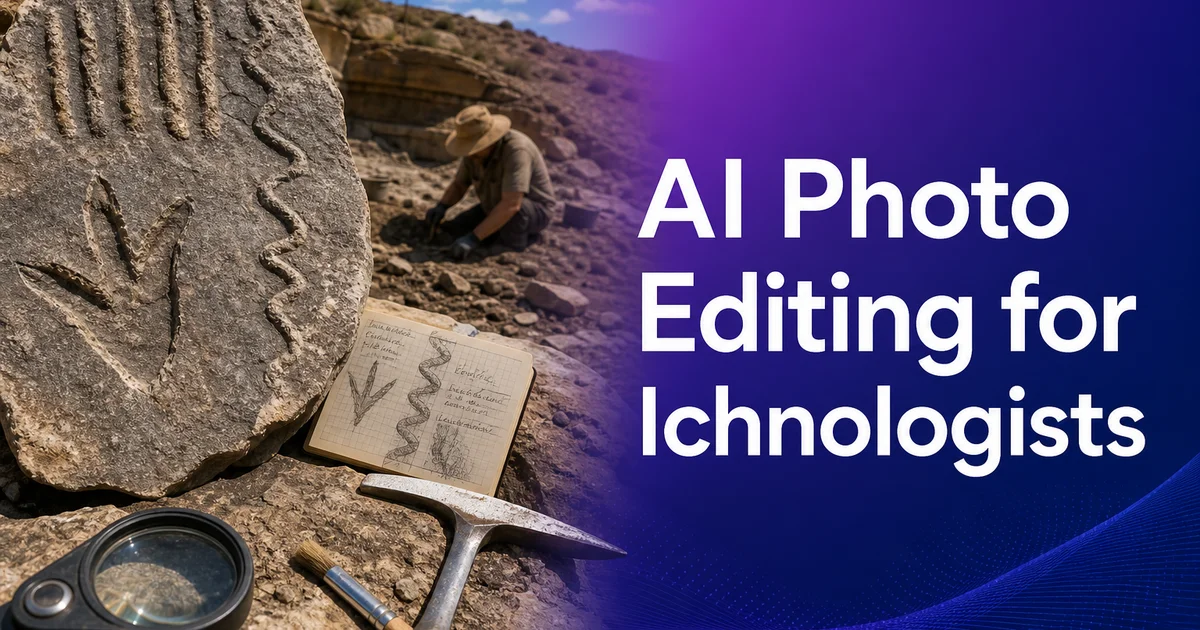
Dấu vết học (Ichnology) — ngành nghiên cứu hóa thạch dấu vết bao gồm hang, vết chân, đường mòn, lỗ khoan. Cùng các bằng chứng khác về hành vi sinh vật được bảo tồn trong đá trầm tích — phụ thuộc vào nhiếp ảnh quan trọng hơn hầu hết bất kỳ nhánh nào khác của cổ sinh vật học. Trong khi hóa thạch thân thể thường có thể được nghiên cứu như các vật thể ba chiều trên mẫu cầm tay, hóa thạch dấu vết thường được bảo tồn dưới dạng các đặc điểm nổi tinh tế trên mặt phẳng lớp hoặc trong khối đá nơi hình thái đầy đủ của chúng chỉ có thể được đánh giá qua các bản ghi nhiếp ảnh cẩn thận ở nhiều góc độ và điều kiện ánh sáng. Một mạng hang Thalassinoides lộ ra trên vách mỏ đá, một đường dấu chân khủng long băng qua mặt phẳng lớp sa thạch, hoặc một tập hợp dày đặc các cấu trúc spreite Zoophycos trong một mặt cắt lõi khoan đều đòi hỏi các bản ghi nhiếp ảnh nắm bắt được phần nổi ba chiều của các cấu trúc có thể chỉ nhô lên hoặc thụt xuống vài milimét so với bề mặt đá xung quanh.
Thách thức dai dẳng của nhiếp ảnh hóa thạch dấu vết là thông tin hình thái được mã hóa trong phần nổi bề mặt thay vì trong màu sắc hoặc độ tương phản thành phần. Một hang được lấp đầy bằng cùng loại trầm tích như nền xung quanh có thể vô hình trong một bức ảnh chụp với ánh sáng chiếu trực diện, vì phần lấp và nền có cùng màu và tông. Hang chỉ có thể phát hiện được khi ánh sáng xiên tạo bóng đổ trong chỗ lõm hoặc chỗ nhô địa hình nhẹ nơi dấu vết gặp đá chủ. Nhiếp ảnh thực địa dưới ánh sáng tự nhiên không kiểm soát thường không nắm bắt được các đặc điểm nổi tinh tế này, tạo ra hình ảnh nơi hóa thạch dấu vết vốn rõ ràng nhìn thấy bằng mắt tại lộ thiên lại xuất hiện như các bề mặt đá không có đặc điểm trong ảnh. Sự phụ thuộc vào ánh sáng này khiến nhiếp ảnh dấu vết học về cốt lõi khác với hầu hết các ứng dụng tạo ảnh địa chất và cổ sinh vật học khác.
Công cụ chỉnh sửa ảnh AI giải quyết các thách thức cụ thể của nhiếp ảnh hóa thạch dấu vết ở mọi giai đoạn của quy trình ghi nhận. AI Enhance khôi phục chi tiết nổi bề mặt mà điều kiện ánh sáng thực địa làm phẳng, làm sắc nét các bóng và điểm sáng xác định đường viền hang, kết cấu thành. Mối quan hệ cắt chéo giữa các loại dấu vết khác nhau. Magic Eraser loại bỏ ô nhiễm bề mặt hiện đại. Địa y, vệt khoáng, rãnh xói mòn — những thứ che khuất hình thái hóa thạch dấu vết trong ảnh lộ thiên. Background Eraser cô lập từng ichnotaxa khỏi các tập hợp mặt phẳng lớp phức tạp để mô tả hệ thống và so sánh phân loại. Hướng dẫn này bao quát toàn bộ quy trình từ chụp thực địa qua chỉnh sửa đến đầu ra sẵn sàng xuất bản, đáp ứng nhu cầu ghi nhận cụ thể của nhà dấu vết học làm việc trong địa chất lộ thiên, phân tích lõi khoan, dấu vết học mới và phân loại học dấu vết.
- AI Enhance khôi phục chi tiết nổi bề mặt xác định hình thái hóa thạch dấu vết. Đường viền hang, kết cấu thành, cấu trúc lấp và mối quan hệ cắt chéo — từ ảnh thực địa nơi điều kiện ánh sáng nén lại các đặc điểm địa hình tinh tế.
- Magic Eraser loại bỏ sự phát triển của địa y, vệt khoáng, rãnh xói mòn hiện đại và bóng thiết bị thực địa che khuất các cấu trúc hóa thạch dấu vết trong ảnh ghi nhận lộ thiên.
- Background Eraser cô lập từng ichnotaxa khỏi các tập hợp mặt phẳng lớp dày đặc nơi nhiều loại dấu vết chồng lên nhau, cho phép mô tả hệ thống và so sánh hình thái xuyên địa điểm.
- Tăng cường nhất quán trên các loạt tập hợp hóa thạch dấu vết đảm bảo chất lượng ghi nhận đồng đều nắm bắt toàn bộ bản ghi vải dấu vết của bối cảnh lắng đọng và hành vi cộng đồng sinh vật.
- Xuất hàng loạt tạo ra hình ảnh cho các tạp chí bình duyệt, cơ sở dữ liệu dấu vết học, hướng dẫn nhận dạng thực địa và tài liệu khóa học địa chất trầm tích từ một bức ảnh gốc đã chỉnh sửa duy nhất.
Thách thức nhiếp ảnh thực địa đặc thù cho ghi nhận hóa thạch dấu vết
Nhiếp ảnh hóa thạch dấu vết trong bối cảnh lộ thiên đặt ra những thách thức về cốt lõi khác với những thách thức của việc ghi nhận hóa thạch thân thể. Hóa thạch thân thể thường tương phản với nền xung quanh ở ít nhất một chiều thị giác. Màu sắc, kết cấu, độ phản chiếu hoặc sự khác biệt thành phần — cung cấp sự tách biệt thị giác cố hữu khiến chúng có thể phát hiện được bằng nhiếp ảnh dưới một loạt điều kiện ánh sáng. Hóa thạch dấu vết, ngược lại, thường được cấu tạo từ cùng loại trầm tích như đá chủ, được tạo ra bởi các sinh vật đã dịch chuyển, sắp xếp lại hoặc đi qua trầm tích xung quanh thay vì thay thế nó bằng vật liệu khác. Tín hiệu thị giác duy nhất phân biệt một hang với nền xung quanh có thể là sự khác biệt nhỏ về mật độ đóng gói hạt, một lớp lót thành mỏng bằng chất nhầy phong hóa khác với khối trầm tích chính, hoặc phần nổi địa hình nơi sự nén ép hoặc phong hóa khác biệt đã khiến dấu vết nhô lên hơi cao hơn hoặc thụt xuống dưới bề mặt lớp.
Việc kiểm soát ánh sáng tại thực địa bị hạn chế nghiêm trọng so với điều kiện phòng thí nghiệm hoặc studio. Sự chiếu sáng lý tưởng cho nhiếp ảnh hóa thạch dấu vết là xiên mạnh. Một nguồn sáng đặt ở mười lăm đến hai mươi lăm độ trên bề mặt đá — tạo ra bóng đổ phóng đại ngay cả trong các biến đổi địa hình nhẹ và làm cho phần nổi hóa thạch dấu vết hiện rõ rệt. Tại thực địa, điều kiện ánh sáng này chỉ xảy ra tự nhiên trong các khung thời gian hẹp lúc bình minh và hoàng hôn, khi góc mặt trời đủ thấp để quét ngang các bề mặt lớp nằm ngang hoặc nghiêng nhẹ. Vào buổi trưa, với mặt trời trên đỉnh đầu, hóa thạch dấu vết trên bề mặt nằm ngang trở nên gần như vô hình trong ảnh vì ánh sáng vuông góc loại bỏ các bóng đổ xác định phần nổi của chúng. Các bề mặt lộ thiên thẳng đứng nhận được ánh sáng xiên đầy đủ ở các thời điểm khác nhau tùy thuộc vào hướng của chúng. Nhà dấu vết học phải lên lịch chụp ảnh quanh hình học của từng vết lộ.
Quy mô và khả năng tiếp cận thêm vào những phức tạp nữa cho nhiếp ảnh hóa thạch dấu vết thực địa. Các đặc điểm dấu vết học trải dài từ dấu vết tuyến trùng quy mô milimét trong trầm tích hạt mịn đến đường dấu chân khủng long quy mô mét trong các thành tạo sa thạch, kéo dài hơn ba bậc độ lớn về kích thước đòi hỏi các phương pháp nhiếp ảnh khác nhau. Dấu vết nhỏ cần khả năng chụp macro với kiểm soát tiêu cự chính xác, trong khi đường dấu chân lớn cần phủ sóng góc rộng từ các vị trí trên cao. Đôi khi đòi hỏi nhiếp ảnh bằng drone cho bản đồ đường dấu chân trải dài toàn bộ mặt phẳng lớp. Bề mặt lộ thiên có thể là vách đứng, gờ nhô ra hoặc nền triều ngập nước, mỗi loại đặt ra thách thức khác nhau cho việc định vị máy ảnh, kiểm soát ánh sáng. Việc đặt thanh tỷ lệ ảnh hưởng đến chất lượng của ảnh ghi nhận thu được.
- Hóa thạch dấu vết thường có thành phần giống hệt nền xung quanh, khiến chúng chỉ có thể phát hiện được bằng nhiếp ảnh qua phần nổi tinh tế, sự phong hóa khác biệt hoặc độ tương phản lớp lót thành mỏng dưới ánh sáng xiên.
- Góc ánh sáng lý tưởng mười lăm đến hai mươi lăm độ chỉ xảy ra tự nhiên lúc bình minh và hoàng hôn, đòi hỏi lịch chụp ảnh được lên kế hoạch quanh vị trí mặt trời và hướng mặt lộ thiên.
- Quy mô đặc điểm trải dài ba bậc độ lớn từ dấu vết tuyến trùng milimét đến đường dấu chân khủng long quy mô mét, đòi hỏi các phương pháp nhiếp ảnh khác nhau từ macro đến ghi nhận bằng drone.
- Vách đứng, gờ nhô ra và nền triều ngập nước mỗi loại đặt ra thách thức riêng biệt cho việc định vị máy ảnh, kiểm soát ánh sáng và đặt thanh tỷ lệ trong điều kiện thực địa.
Nâng cao nổi hóa thạch dấu vết và đặc điểm hình thái chẩn đoán
Các đặc điểm hình thái xác định ichnotaxa và cho phép nhận dạng hệ thống được mã hóa trong cấu trúc ba chiều của dấu vết. Hình dạng tổng thể, hình học mặt cắt ngang, đặc điểm thành, cấu trúc lấp, và mối quan hệ với trầm tích xung quanh và với các dấu vết khác trong cùng tập hợp. AI Enhance giải quyết vấn đề cơ bản là ảnh thực địa thường chỉ nắm bắt một phần nhỏ thông tin hình thái này do điều kiện ánh sáng không lý tưởng. Bằng cách tăng có chọn lọc độ tương phản vi mô giữa các vùng tông liền kề trong ảnh, việc tăng cường khôi phục chi tiết bóng và điểm sáng xác định hình thái dấu vết ngay cả khi ánh sáng gốc quá phẳng hoặc quá gắt để nắm bắt nó đầy đủ.
Đặc điểm thành nằm trong số những đặc điểm quan trọng nhất về mặt chẩn đoán trong dấu vết học và nằm trong số những đặc điểm khó nắm bắt nhất bằng nhiếp ảnh. Lớp lót thành của một hệ hang Thalassinoides cho thấy các vết xước đặc trưng từ các phần phụ của giáp xác đã đào nó, định hướng gần như song song với trục hang và cách nhau ở các khoảng phản ánh giải phẫu của các chi đào của sinh vật tạo dấu vết. Thành hang Ophiomorpha được lót bằng các viên phân đặc trưng mà sinh vật xây dựng nhồi vào rìa hang như sự gia cố cấu trúc, tạo ra một kết cấu sần sùi thô nhìn thấy trên các mặt cắt lộ ra. Các kết cấu thành này thường được bảo tồn ở quy mô một đến ba milimét và đòi hỏi cả độ phóng đại đầy đủ lẫn ánh sáng xiên để phân giải trong ảnh. AI Enhance khôi phục khả năng nhìn thấy các kết cấu này trong ảnh nơi điều kiện thực địa giới hạn độ phân giải và độ tương phản đạt được.
Cấu trúc lấp trong dấu vết cung cấp thông tin quan trọng về hành vi của sinh vật tạo dấu vết và bối cảnh lắng đọng tại thời điểm hình thành dấu vết. Lấp lại dạng vành trăng — các lớp mỏng lõm lên hoặc lõm xuống xếp chồng nhìn thấy trong các dấu vết như Taenidium và Beaconites — ghi lại sự lấp đầy tuần tự của hang khi sinh vật di chuyển qua trầm tích. Khoảng cách và độ cong của từng vành trăng có ý nghĩa chẩn đoán lớn. Cấu trúc spreite trong các dấu vết như Zoophycos và Rhizocorallium gồm các lớp mỏng hình chữ U ghi lại sự di trú ngang hoặc dọc tiến triển của hang kiếm ăn hoặc hang ở của sinh vật, tạo ra các cấu trúc phân lớp mà hình học của chúng phân biệt các ichnotaxa khác nhau. Việc tăng cường làm sắc nét độ tương phản giữa các lớp mỏng liền kề trong các cấu trúc lấp này, làm cho từng vành trăng và lớp spreite có thể đếm và đo được trong ảnh.
- Tăng cường độ tương phản vi mô khôi phục chi tiết bóng và điểm sáng xác định hình thái dấu vết từ ảnh thực địa nơi ánh sáng không lý tưởng nén lại thông tin địa hình tinh tế.
- Các vết xước thành Thalassinoides và lớp lót viên phân Ophiomorpha ở quy mô một đến ba milimét trở nên hiện rõ khi việc tăng cường khôi phục các kết cấu bị mất do giới hạn độ phân giải và độ tương phản thực địa.
- Các lớp mỏng lấp lại dạng vành trăng trong Taenidium và Beaconites trở nên có thể đếm và đo riêng lẻ khi việc tăng cường làm sắc nét độ tương phản giữa các lớp lấp tuần tự.
- Cấu trúc spreite trong các dấu vết Zoophycos và Rhizocorallium có được các lớp mỏng riêng lẻ hiện rõ, cho phép phân tích hình học phân biệt các ichnotaxa khác nhau trong ảnh nghiên cứu.
Ghi nhận tập hợp mặt phẳng lớp và phân tích vải dấu vết
Các mặt phẳng lớp dấu vết học thường bảo tồn các tập hợp dày đặc dấu vết từ nhiều sinh vật hoạt động cùng lúc hoặc tuần tự trong cùng một bối cảnh trầm tích. Các bản ghi vải dấu vết này — chữ ký xáo trộn sinh học tích lũy của cộng đồng sinh vật — nằm trong số những nguồn dữ liệu giá trị nhất trong dấu vết học vì chúng nắm bắt hành vi của toàn bộ cộng đồng sinh thái thay vì các sinh vật riêng lẻ. Việc ghi nhận vải dấu vết đòi hỏi nhiếp ảnh nắm bắt toàn bộ độ phức tạp của các dấu vết chồng lên, cắt chéo. Các dấu vết chồng chất trên bề mặt lớp, thường bao phủ những vùng vài mét vuông phải được ghép lại từ nhiều ảnh chồng lên để tạo một bản đồ tập hợp hoàn chỉnh.
Mối quan hệ cắt chéo giữa các dấu vết cung cấp thông tin quan trọng về trình tự thời gian của hoạt động sinh học được ghi trên bề mặt lớp. Một hang đứng Skolithos bị cắt bởi một hang ngang Planolites muộn hơn xác lập rằng sinh vật tạo Planolites hoạt động sau sinh vật xây dựng Skolithos. Việc ghi nhận hệ thống tất cả các mối quan hệ cắt chéo như vậy trên toàn tập hợp xây dựng nên một địa tầng hành vi của cộng đồng. AI Enhance làm cho các mối quan hệ cắt chéo này hiện rõ trong ảnh bằng cách làm sắc nét độ tương phản tại các giao điểm dấu vết nơi một dấu vết làm gián đoạn cấu trúc thành hoặc lấp của dấu vết khác. Những chi tiết rõ ràng nhìn thấy qua kính lúp cầm tay tại thực địa nhưng thường mất trong ảnh nơi sự khác biệt tông giữa các dấu vết giao nhau không đủ để máy ảnh tái tạo.
Background Eraser phục vụ một chức năng chuyên biệt trong việc ghi nhận vải dấu vết bằng cách cho phép cô lập từng loại dấu vết khỏi các ảnh tập hợp phức tạp để mô tả hệ thống. Một mặt phẳng lớp dấu vết học có thể bảo tồn các mẫu của sáu hoặc tám ichnotaxa khác nhau trong một mét vuông. Việc mô tả phân loại từng loại đòi hỏi các ảnh rõ ràng cho thấy hình thái của nó mà không có sự can thiệp thị giác của các dấu vết chồng lên từ các taxa khác. Bằng cách cô lập có chọn lọc từng ichnotaxon khỏi nền tập hợp, Background Eraser tạo ra các ảnh mẫu sạch cần thiết cho xuất bản hệ thống trong khi các ảnh tập hợp gốc chưa chỉnh sửa bảo tồn toàn bộ bối cảnh sinh thái cho phân tích vải dấu vết. Một cách tiếp cận kép thỏa mãn cả nhu cầu nghiên cứu hệ thống lẫn sinh thái từ cùng một bản ghi thực địa.
- Các bản ghi vải dấu vết nắm bắt toàn bộ hành vi cộng đồng sinh thái qua các dấu vết chồng lên từ nhiều sinh vật, đòi hỏi việc ghi nhận tập hợp trên các bề mặt lớp nhiều mét vuông.
- Mối quan hệ cắt chéo giữa các dấu vết xác lập trình tự thời gian của hoạt động sinh học. AI Enhance làm sắc nét độ tương phản tại các giao điểm nơi một dấu vết làm gián đoạn cấu trúc thành hoặc lấp của dấu vết khác.
- Background Eraser cô lập từng ichnotaxa khỏi các tập hợp dày đặc để mô tả hệ thống trong khi bảo tồn các ảnh tập hợp hoàn chỉnh cho phân tích vải dấu vết sinh thái.
- Việc ghép ảnh photomosaic từ nhiều ảnh thực địa chồng lên tạo ra các bản đồ mặt phẳng lớp hoàn chỉnh, với việc tăng cường AI nhất quán đảm bảo chất lượng đồng đều trên toàn bộ tài liệu được ghép.
Dấu vết học lõi khoan, dấu vết học mới và phân tích hóa thạch dấu vết so sánh
Dấu vết học lõi khoan — ngành nghiên cứu hóa thạch dấu vết trong các lõi trầm tích thu hồi từ lỗ khoan — tạo ra khối lượng khổng lồ các bản ghi nhiếp ảnh dưới các điều kiện phòng thí nghiệm chuẩn hóa, hưởng lợi một cách hệ thống từ việc tăng cường AI. Lõi thường được chẻ dọc, chụp ảnh dưới ánh sáng kiểm soát. Nội dung hóa thạch dấu vết của mỗi khoảng được mô tả và ghi nhận như một phần của quá trình ghi nhật ký trầm tích học. Các điều kiện kiểm soát loại bỏ các biến số nhiếp ảnh thực địa về góc mặt trời và thời tiết, nhưng lõi đặt ra những thách thức riêng: hình học hình trụ tạo ra các bề mặt cong khó chiếu sáng đồng đều, bề mặt cắt cưa có thể che khuất chi tiết dấu vết mịn bằng các tạo tác cắt. Đường kính nhỏ của hầu hết lõi nghĩa là dấu vết kéo dài ra ngoài rìa lõi, chỉ cho thấy các mặt cắt ngang một phần của hệ hang mà toàn bộ hình học ba chiều phải được suy ra từ phần nhìn thấy.
Dấu vết học mới (Neoichnology) — ngành nghiên cứu các sinh vật tạo dấu vết hiện đại và dấu vết của chúng — cung cấp khung thực tế kết nối hóa thạch dấu vết với các sinh vật và hành vi đã tạo ra chúng. Nhiếp ảnh dấu vết học mới ghi nhận các sinh vật sống đang trong hành động tạo dấu vết trong các bối cảnh trầm tích hiện đại. Cua đào hang trong các bãi triều, giun tạo dấu vết kiếm ăn trong bùn biển, và côn trùng tạo cấu trúc làm tổ trong đất — cùng với các dấu vết thu được chụp sau khi sinh vật đã rời đi. Công cụ chỉnh sửa AI phục vụ việc ghi nhận dấu vết học mới bằng cách tăng cường nhiếp ảnh thường khó khăn của các điều kiện thực địa bán thủy sinh nơi phản chiếu mặt nước, độ đục trầm tích. Kích thước nhỏ của nhiều sinh vật tạo dấu vết hiện đại làm giảm chất lượng ảnh.
Phân tích so sánh xuyên địa điểm, thành tạo và các kỷ địa chất là nền tảng của nghiên cứu phân loại học dấu vết, và nó phụ thuộc hoàn toàn vào việc luôn có các ảnh rõ ràng cho phép so sánh hình thái giữa các mẫu vật có thể cách nhau hàng nghìn kilômét và hàng triệu năm. Một hang Thalassinoides từ đá vôi kỷ Jura ở Anh phải có thể so sánh trực tiếp với một Thalassinoides từ sa thạch kỷ Phấn Trắng ở Montana để duy trì tính nhất quán phân loại học dấu vết. Công cụ chỉnh sửa AI đảm bảo khả năng so sánh này bằng cách chuẩn hóa chất lượng thị giác của các ảnh chụp dưới các điều kiện rất khác nhau. Ánh sáng khác nhau, màu đá khác nhau, chất lượng bảo quản khác nhau — để các điểm tương đồng và khác biệt hình thái thật sự giữa các mẫu vật hiện rõ mà không bị che khuất bởi các tạo tác nhiếp ảnh và biến số môi trường.
- Dấu vết học lõi khoan đòi hỏi việc tăng cường các bề mặt lõi chẻ cong nơi các tạo tác cắt và mặt cắt ngang hang một phần thách thức việc ghi nhận hình học dấu vết ba chiều.
- Dấu vết học mới ghi nhận các sinh vật sống tạo dấu vết trong các môi trường hiện đại, với việc tăng cường AI cải thiện nhiếp ảnh thực địa bán thủy sinh bị tổn hại bởi phản chiếu nước và độ đục trầm tích.
- So sánh phân loại học dấu vết xuyên địa điểm phụ thuộc vào chất lượng ảnh được chuẩn hóa làm lộ ra các điểm tương đồng và khác biệt hình thái thật sự giữa các mẫu vật từ các thành tạo và kỷ địa chất khác nhau.
- Việc tăng cường AI nhất quán trên các bộ tài liệu trải dài nhiều lỗ khoan, vết lộ thiên hoặc mùa thực địa đảm bảo tính đồng đều thị giác thiết yếu cho nghiên cứu dấu vết học hệ thống.
How to do it
- 1
Photograph trace fossils in the field with controlled raking light to reveal surface relief
Capture trace fossil images using oblique low-angle lighting that creates shadows within the surface relief of burrows, tracks, trails, and borings. Trace fossils are three-dimensional structures preserved in sedimentary rock, and their morphological details. Burrow diameter, wall lining texture, branching patterns, and the infill sediment that distinguishes them from the surrounding rock matrix — are only visible when light rakes across the surface at a shallow angle. In field conditions, photograph during early morning or late afternoon when natural sunlight provides the oblique illumination that reveals topographic detail, or use a portable LED panel held at about twenty degrees above the rock surface to create controlled directional shadows.
- 2
Remove modern surface contamination and weathering distractions with Magic Eraser
Use Magic Eraser to eliminate the visual elements that compromise trace fossil records in outcrop photographs. Lichen growth and biological crusts that obscure the rock surface, modern erosion channels that cross and disrupt fossil traces, mineral staining from groundwater seepage that masks the contrast between trace fill and host rock, and field equipment shadows that fall across the specimen. For laboratory specimens, remove numbering labels, consolidant drips, adhesive residue from previous mounting. The background clutter of preparation surfaces that distract from the fossil structure itself.
- 3
Enhance trace fossil relief, burrow wall texture, and sediment fill contrast with AI Enhance
Apply AI Enhance to sharpen the morphological features that ichnologists use for ichnotaxonomic spotting. The trait wall scratches of Thalassinoides burrow systems, the meniscate backfill structures within Taenidium, the spreite laminae of Zoophycos, and the delicate surface ornamentation of arthropod trackways. Boost recovers the micro-contrast between trace fill sediment and the surrounding rock matrix that defines burrow outlines, making cross-cutting relationships between different ichnotaxa visible in photographs where field lighting conditions compressed the subtle tonal differences.
- 4
Isolate individual trace fossils and create standardized specimen plates with Background Eraser
Use Background Eraser to isolate individual trace fossil specimens from complex bedding plane surfaces where multiple ichnotaxa overlap and intersect. Ichnological bedding planes often preserve dense assemblages of traces. The ichnofabric — where dozens of different organism behaviors are recorded in a single surface, and isolating individual ichnospecies for taxonomic description requires separating each trace from its visual context. Create standardized specimen plates with uniform backgrounds for systematic publication where consistent display enables direct morphological comparison across localities and formations.
- 5
Export documentation images for ichnological publications, databases, and field guides
Save enhanced trace fossil photographs at maximum resolution with preserved scale bar accuracy, then create versions right for each publication context. Peer-reviewed ichnology journals require high-resolution plates with detailed figure captions that reference specific morphological features visible in the image. Ichnological databases need standardized specimen photographs with consistent quality for digital reference collections. Field guides for sedimentary geology courses need images where diagnostic features are visible at reduced reproduction sizes. Batch process trace fossil assemblage photographs to ensure consistent boost across the entire records set for a single outcrop or core section.
Nguồn
- Trace Fossils: Concepts, Problems, Prospects — Elsevier — William Miller III
- Principles of Ichnology: Trace Fossil Analysis and Interpretation — Springer — Dirk Knaust
- Digital Imaging Standards for Palaeontological Specimens — Palaeontology — Cambridge University Press