
Pengeditan Foto AI untuk Taksidermis — Magic Eraser
Bagaimana taksidermis menggunakan pengeditan foto AI untuk gambar portofolio, pengajuan kompetisi, dan galeri klien. Bersihkan latar belakang, tingkatkan detail bulu dan bulu burung, dan buat gambar profesional yang menampilkan keahlian.

Content Lead
Ditinjau oleh Magic Eraser Editorial ·
Daftar isi
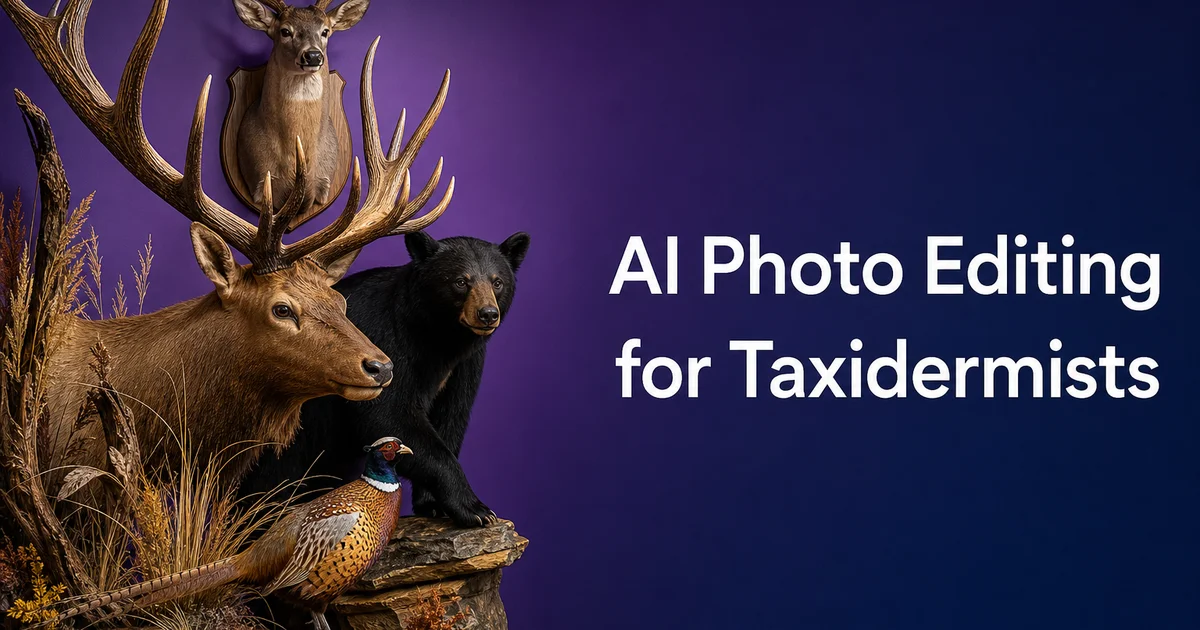
Taksidermi adalah kerajinan di mana kualitas karya jadi dinilai hampir sepenuhnya melalui pemeriksaan visual. Pose yang hidup, akurasi detail anatomi, perpaduan mulus antara kulit dan bentuk, serta ekspresi realistis yang tertangkap pada mata kaca. Baik Anda mengikuti kompetisi nasional, membangun portofolio untuk calon klien, atau memposting karya terbaru Anda di media sosial untuk menarik pesanan baru, foto adalah media utama yang dipakai orang untuk menilai keahlian Anda. Sebuah mounting bahu yang menakjubkan tetapi difoto buruk di depan latar bengkel yang berantakan dengan pencahayaan datar dan fokus lembut tidak menyampaikan ratusan jam kerja teliti yang dicurahkan ke dalamnya. Foto harus setara dengan kualitas keahlian yang diwakilinya.
Tantangan yang dihadapi sebagian besar taksidermis adalah ruang kerja mereka dioptimalkan untuk mengerjakan mounting, bukan untuk memotretnya. Studio dipenuhi materi referensi, alat, bahan kimia, karya yang sebagian selesai, dan infrastruktur praktis kerajinan ini. Pencahayaan dirancang untuk pekerjaan detail jarak dekat, bukan untuk penerangan seluruh karya secara merata. Keterbatasan ruang membuat pemotret sering terlalu dekat dengan subjek, menciptakan distorsi perspektif yang membuat tanduk tampak terlalu besar atau tubuh tampak terkompresi. Sebagian besar taksidermis bukan fotografer terlatih, dan menyewa fotografer profesional untuk setiap karya yang selesai secara ekonomi tidak praktis kecuali bagi studio kelas paling atas.
Alat pengeditan foto AI memecahkan masalah praktis yang berdiri di antara kerja taksidermi yang terampil dan penyajian fotografis profesional. Penghapusan latar belakang menempatkan mounting Anda di depan latar yang bersih dan bebas gangguan yang diharapkan juri kompetisi dan calon klien. Peningkatan detail memunculkan arah bulu, struktur duri bulu, dan kualitas kaca mata yang diratakan oleh kamera ponsel. Penghapusan objek membersihkan setiap artefak konstruksi yang terlihat. Hasilnya adalah citra berkualitas portofolio yang merepresentasikan keahlian Anda secara akurat tanpa memerlukan studio foto khusus atau fotografer profesional untuk setiap karya.
- Penghapusan latar belakang mengisolasi mounting jadi dari lingkungan bengkel yang berantakan, menciptakan penyajian bersih yang diharapkan juri kompetisi dan klien kelas atas.
- AI Enhance menajamkan arah bulu, struktur duri bulu, detail sisik, dan pantulan mata kaca — detail halus yang menunjukkan kualitas keahlian.
- Magic Eraser menghapus garis jahitan yang terlihat, jarum pemasangan sementara, kawat penyangga, dan tanda referensi dari foto karya yang sedang dikerjakan dan yang sudah selesai.
- Kualitas citra profesional yang konsisten di portofolio, kompetisi, media sosial, dan galeri klien membangun reputasi yang mendorong pesanan premium.
- Pemrosesan batch menangani secara efisien volume foto yang dibutuhkan untuk mendokumentasikan satu mounting kompleks dari berbagai sudut dan tampilan detail.
Mengapa kualitas fotografi secara langsung memengaruhi keberhasilan bisnis taksidermi
Industri taksidermi berjalan atas dasar reputasi, dan di pasar modern reputasi itu dibangun terutama melalui citra yang dibagikan secara daring. Calon klien yang mencari taksidermis untuk menangani hewan trofi akan melihat lusinan portofolio sebelum melakukan kontak. Penilaian mereka sepenuhnya berdasarkan foto. Sebuah mounting yang secara teknis lebih unggul tetapi difoto buruk akan kehilangan pesanan kepada mounting biasa yang disajikan dengan citra profesional. Ini bukan penilaian dangkal. Klien tidak dapat memeriksa karya Anda secara fisik sebelum berkomitmen pada proyek yang bisa menelan biaya ribuan dolar dan butuh berbulan-bulan untuk diselesaikan. Foto Anda adalah satu-satunya bukti kualitas yang mereka miliki.
Fotografi kompetisi mengikuti prinsip yang sama pada tingkat lebih tinggi. Kompetisi taksidermi di tingkat negara bagian, nasional, dan dunia mengharuskan pengiriman foto untuk babak penjurian awal, dan banyak peserta tersingkir bukan karena karya yang lebih buruk melainkan karena foto mereka tidak cukup menangkap kualitas mounting mereka. Juri yang menilai foto mencari akurasi anatomi, pose alami, ekspresi realistis, perpaduan bentuk yang mulus, dan integrasi habitat. Semua itu membutuhkan fotografi yang jernih, berpencahayaan baik, dan terperinci untuk dinilai. Pencahayaan buruk, latar berantakan, dan fokus lembut secara aktif menghalangi juri melihat keahlian yang seharusnya mendapat skor lebih tinggi.
Media sosial telah menjadi saluran pemasaran dominan bagi studio taksidermi. Instagram, grup Facebook yang didedikasikan untuk berburu dan seni satwa liar. Forum khusus seperti Taxidermy.net adalah tempat calon klien menemukan taksidermis dan menilai karya mereka. Postingan dengan citra berkualitas profesional menerima jauh lebih banyak keterlibatan, lebih banyak berbagi, dan lebih banyak pertanyaan langsung daripada postingan dengan jepretan amatir. Algoritmenya sendiri menyukai konten visual berkualitas tinggi, artinya foto yang lebih baik secara harfiah menjangkau lebih banyak orang. Bagi bisnis yang bergantung pada aliran pesanan yang stabil, kualitas fotografi langsung diterjemahkan menjadi volume dan kualitas pekerjaan yang masuk.
- Calon klien menilai lusinan portofolio secara daring sebelum memilih taksidermis, menjadikan fotografi faktor utama dalam memenangkan pesanan senilai ribuan dolar.
- Pengiriman kompetisi membutuhkan fotografi yang dengan jelas menangkap akurasi anatomi, pose, ekspresi, dan perpaduan bentuk — foto buruk menyebabkan tersingkir terlepas dari kualitas mounting.
- Algoritme media sosial menyukai konten visual berkualitas tinggi, artinya citra profesional menjangkau lebih banyak calon klien dan menghasilkan lebih banyak pertanyaan pesanan.
- Kualitas fotografi adalah keunggulan kompetitif langsung dalam industri yang digerakkan reputasi di mana pemeriksaan fisik sebelum pembelian tidak dimungkinkan.
Penghapusan latar belakang dan standar presentasi profesional
Pengeditan tunggal paling berdampak untuk fotografi taksidermi adalah mengganti latar bengkel dengan latar yang bersih dan terkendali. Sebuah mounting bahu rusa ekor putih yang difoto di studio di atas gradasi arang dengan pencahayaan merata terlihat seperti karya bergengsi yang layak untuk ruang trofi klien kelas atas. Mounting yang sama yang difoto di depan papan berlubang berisi alat, botol bahan kimia. Bentuk-bentuk yang ditumpuk terlihat seperti karya yang sedang dikerjakan di toko kerajinan. Background Eraser menangani pekerjaan tepi rumit yang dituntut subjek taksidermi. Garis luar tanduk yang tak beraturan, tepi halus setiap helai bulu, area transparan di antara duri bulu, dan siluet terperinci sirip ikan dan bagian ekor.
Konteks tampilan yang berbeda menuntut pilihan latar yang berbeda. Pengiriman kompetisi sering membutuhkan latar netral polos. Abu-abu sedang atau hitam — yang menghilangkan semua gangguan visual dan memusatkan penilaian pada mounting itu sendiri. Situs portofolio diuntungkan oleh latar yang konsisten di semua karya, baik itu gradasi studio, warna solid yang cocok dengan merek Anda, atau tekstur halus yang menambah daya tarik visual tanpa bersaing dengan subjek. Postingan media sosial dapat menggunakan latar yang lebih kreatif, termasuk latar habitat yang dihasilkan AI yang menampilkan mounting dalam konteks naturalistik tanpa biaya dan tantangan logistik membangun tampilan habitat fisik lengkap untuk setiap karya yang difoto.
Untuk karya taksidermi yang menyertakan alas habitat. Tenggeran kayu apung untuk burung, formasi batu untuk mamalia kecil, adegan bawah air untuk ikan — perlakuan latar perlu melengkapi alas sekaligus menghapus gangguan bengkel di belakangnya. AI dapat membedakan antara elemen habitat yang disengaja yang merupakan bagian dari karya seni dan latar bengkel yang tidak disengaja yang bukan, mempertahankan alas yang dibangun dengan cermat sambil mengganti segala sesuatu di belakangnya. Penghapusan selektif ini sangat berharga untuk karya kompetisi di mana pengerjaan habitat adalah elemen yang dinilai dan harus terlihat dalam foto yang dikirimkan.
- Background Eraser menangani tepi rumit dari garis tanduk, helai bulu individual, duri bulu, dan siluet sirip ikan yang mendefinisikan subjek taksidermi.
- Pengiriman kompetisi membutuhkan latar netral polos, sementara situs portofolio diuntungkan oleh konsistensi merek dan media sosial memungkinkan habitat kreatif yang dihasilkan AI.
- Penghapusan latar selektif mempertahankan elemen alas habitat yang disengaja sambil mengganti latar bengkel di belakangnya.
- Latar profesional yang konsisten di semua karya portofolio menciptakan penyajian terkurasi yang diasosiasikan klien kelas atas dengan keahlian premium.
Peningkatan detail untuk dokumentasi keahlian
Detail yang membedakan taksidermi luar biasa dari karya biasa diukur dalam milimeter. Penyelarasan kelompok bulu individual, tumpang tindih yang benar dari saluran bulu, kedalaman dan kejernihan detail mata kaca, perpaduan tak terlihat antara tepi kulit dengan permukaan bentuk. Mikrodetail ini persis apa yang gagal ditangkap oleh kamera ponsel dan kondisi pencahayaan biasa. AI Enhance memulihkan detail kritis ini dengan meningkatkan kontras lokal dan ketajaman dengan cara yang mengungkap tekstur dan struktur tanpa memasukkan artefak atau tampilan yang terlalu diproses. Versi yang ditingkatkan menunjukkan apa yang dilihat mata secara langsung tetapi gagal direkam kamera.
Detail mata sangat penting dalam fotografi taksidermi karena mata adalah elemen pertama yang diperiksa penonton dan kontributor utama bagi apakah sebuah mounting tampak hidup atau buatan. Mata kaca yang tampak datar dan tak bernyawa dalam foto. Sebagaimanapun realistis tampilannya secara langsung — akan merusak kualitas yang dirasakan dari seluruh karya. AI Enhance memunculkan detail iris, kedalaman pupil, pantulan kornea. Gradasi warna halus yang membuat mata kaca meyakinkan. Untuk fotografi kompetisi, di mana juri memperbesar detail mata sebagai kriteria penjurian utama, peningkatan ini bisa menjadi pembeda antara penempatan dan skor biasa.
Peningkatan bulu dan bulu harus ditangani hati-hati untuk menghindari tampilan terlalu tajam yang membuat tekstur alami tampak buatan. Tujuannya adalah mengungkap arah dan pengelompokan helai bulu individual, pelapisan dan struktur duri bulu, serta pola sisik reptil dan ikan. Bukan membuat setiap elemen setajam silet dengan cara yang tidak benar-benar tampak pada permukaan fisik mana pun. AI Enhance menerapkan penajaman sadar-konten yang meningkatkan keterlihatan detail struktural ini sambil mempertahankan kelembutan alami dan transisi bertahap yang membuat tekstur tampak organik. Ujung bulu tetap lembut, tepi bulu mempertahankan difusi alaminya. Efek keseluruhannya adalah pencahayaan dan fokus yang lebih baik alih-alih peningkatan buatan.
- AI Enhance memulihkan mikrodetail — penyelarasan helai bulu individual, tumpang tindih saluran bulu, perpaduan tepi kulit — yang membedakan taksidermi luar biasa tetapi gagal ditangkap kamera.
- Peningkatan mata kaca memunculkan detail iris, kedalaman pupil, dan pantulan kornea, langsung memengaruhi apakah mounting tampak hidup atau buatan dalam foto.
- Penajaman sadar-konten meningkatkan keterlihatan detail struktural sambil mempertahankan kelembutan alami di ujung bulu dan tepi bulu untuk hasil yang tampak organik.
- Fotografi detail yang ditingkatkan menjalankan fungsi ganda untuk pengiriman kompetisi dan portofolio klien di mana pemeriksaan jarak dekat menentukan evaluasi kualitas.
Mendokumentasikan proses kerja dan membangun kepercayaan klien melalui citra
Fotografi dokumentasi progresif — menangkap mounting pada tahap-tahap penting dari bahan mentah melalui pemberian pose, pemahatan, pemasangan. Penyelesaian akhir — melayani baik portofolio maupun hubungan klien Anda. Klien yang telah mempercayakan kepada Anda hewan trofi sekali seumur hidup ingin kepastian bahwa proyek berjalan dengan baik. Serangkaian foto kemajuan yang diedit dengan terampil menunjukkan kepedulian dan profesionalisme. Foto yang sedang dikerjakan juga memamerkan keterampilan yang disembunyikan karya jadi. Pemahatan anatomi di bawah kulit, perubahan bentuk khusus, dan pekerjaan pemasangan dan penyematan jarum yang presisi yang menciptakan hasil akhir yang mulus.
Pengeditan AI membuat dokumentasi yang sedang dikerjakan menjadi praktis dengan membersihkan foto proses yang secara inheren berantakan. Sebuah mounting pada tahap pemasangan yang difoto di atas meja kerja dengan jarum, klip, foto referensi. Alat-alat yang berserakan di sekitarnya menceritakan kisah keahlian terampil ketika latar dihapus dan fokus dibawa ke karya itu sendiri. Magic Eraser dapat menghapus jarum sementara dan tanda referensi dari foto kemajuan sehingga fokus tetap pada bentuk dan kesesuaian alih-alih infrastruktur konstruksi. Dokumentasi yang diedit ini menjadi konten berharga untuk halaman proses situs web Anda, cerita media sosial yang menampilkan kerja di balik layar, dan pembaruan klien langsung.
Perbandingan sebelum-dan-sesudah termasuk konten paling kuat untuk pemasaran taksidermi. Menampilkan kulit atau bulu mentah di samping mounting jadi mengilustrasikan transformasi yang membenarkan harga Anda. Foto referensi hewan hidup di samping mounting yang selesai menunjukkan akurasi pekerjaan anatomi Anda. Pengeditan AI memastikan baik citra sebelum maupun sesudah memiliki kualitas dan penyajian yang konsisten. Perbandingan terbaca seperti studi kasus profesional alih-alih perbandingan jepretan santai. Urutan sebelum-dan-sesudah ini selalu menghasilkan keterlibatan tertinggi di akun media sosial taksidermi karena menceritakan kisah lengkap tentang transformasi dan keterampilan.
- Fotografi dokumentasi kemajuan menunjukkan kepada klien tahap-tahap pengerjaan karya mereka, membangun kepercayaan selama jangka waktu pesanan berbulan-bulan.
- Pengeditan AI membersihkan foto yang sedang dikerjakan dengan menghapus kekacauan bengkel, jarum sementara, dan tanda referensi sehingga fokus tetap pada keahlian.
- Pasangan perbandingan sebelum-dan-sesudah — bahan mentah versus mounting jadi — adalah konten pemasaran dengan keterlibatan tertinggi untuk bisnis taksidermi.
- Dokumentasi yang diedit secara konsisten melayani berbagai saluran: pembaruan klien, portofolio situs web, konten media sosial, dan dokumentasi proses kompetisi.
How to do it
- 1
Photograph your taxidermy work with consistent lighting that reveals detail
Set up diffused lighting from two or three angles to illuminate the mount evenly without creating harsh shadows that obscure fur, feather, or scale detail. Photograph each piece at full view plus close-ups of the face, eye detail, unique markings, and any habitat base work. Use a plain backdrop or shoot in your studio against a controlled background to simplify later editing.
- 2
Remove workshop backgrounds for clean portfolio and competition images
Use Background Eraser to isolate the mount from your workshop setting. Tool racks, supply shelves, work tables, and other in-progress pieces may be visible behind the subject. Replace them with a clean gradient, neutral studio backdrop, or black background that lets the mount command full attention. For competition submissions, many organizations specify plain backgrounds that focus judges on the work itself.
- 3
Enhance fur, feather, and eye detail to showcase craftsmanship quality
Use AI Enhance to sharpen the fine details that show your skill. Individual hair direction in fur, barb structure in feathers, iris detail and reflection in glass eyes, and the seamless transition between mount and habitat base. These details are what judges, collectors, and potential clients examine to evaluate the quality of your work, and phone cameras often flatten them into soft mush.
- 4
Remove visible seams, pins, and temporary mounting hardware from photos
Use Magic Eraser to clean up any visible seam lines, temporary pins, mounting hardware, support wires, or reference markings that are present during the photography stage but should not appear in final portfolio images. This is mainly useful for in-progress records where you want to show the pose and form before final finishing conceals all construction details.
- 5
Export images optimized for portfolio, competition, social media, and client galleries
Save edited photos at right resolutions for each use: high-resolution files for competition submissions and print portfolios, web-optimized sizes for your business website gallery, and platform-specific dimensions for Instagram, Facebook, and hunting or wildlife forums where potential clients browse. Consistent professional presentation across all channels builds the reputation that drives commissions.
Sumber
- Photography Standards for Taxidermy Competition Judging — National Taxidermists Association
- Product Photography Best Practices for Specialty Craft Businesses — Shopify
- Digital Portfolio Presentation for Fine Art and Craft Professionals — Format Magazine