
AI Create style
AI Pixel Art Generator
Generate pixel art images for game concepts, icons, avatars, stickers, and retro social visuals. This style benefits from simple shapes, limited palettes, clear silhouettes, and prompts that define whether the output should look like an icon, sprite, scene, or poster.
Use case
Indie game concept art, item icons, character sprites, and retro UI mockups.
Use case
Profile pictures, badges, stickers, and compact social graphics.
Use case
Nostalgic campaign visuals where low-resolution charm is part of the brand tone.

Visual direction preview
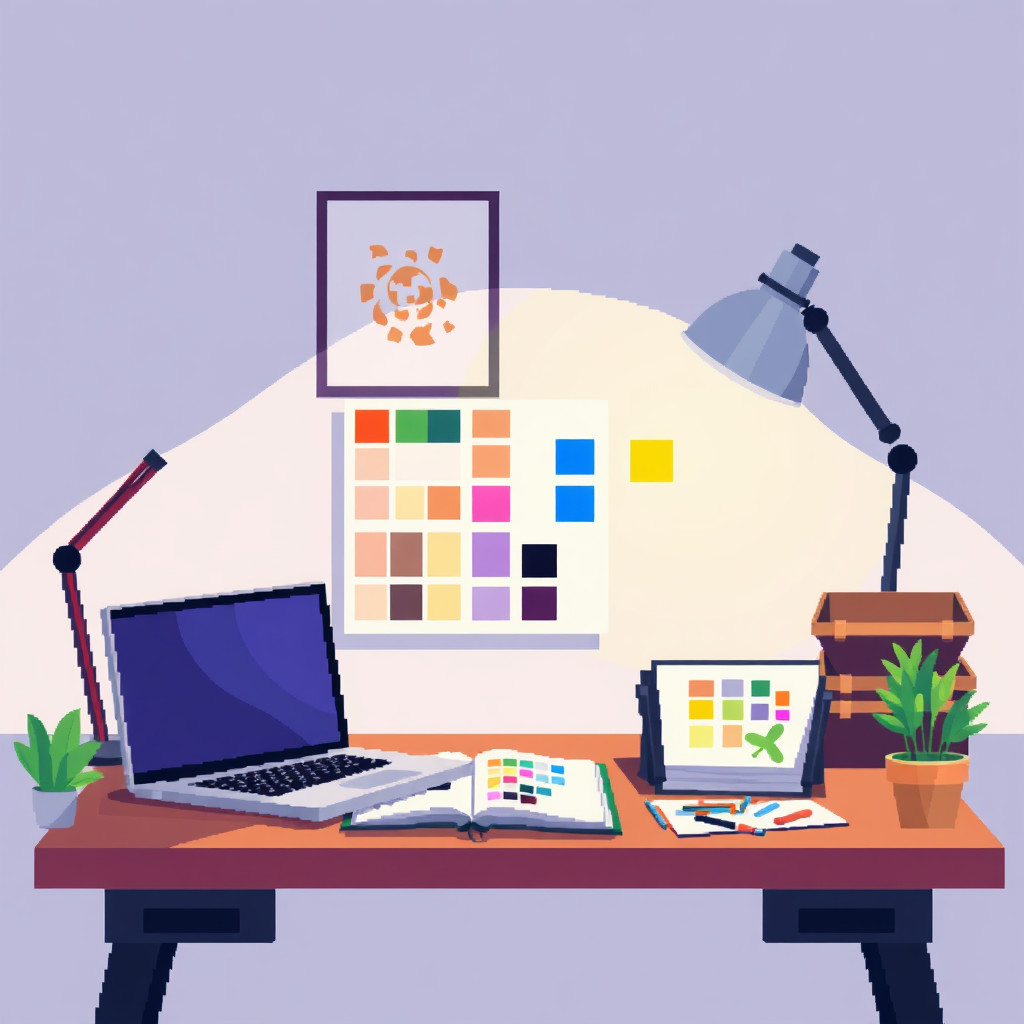
Use the style thumbnail as the creative target
The preview gives users a concrete reference for color, texture, edge detail, and mood before they open the generator. Pair it with the prompt starters below to keep the page useful instead of only decorative.
Generated examples
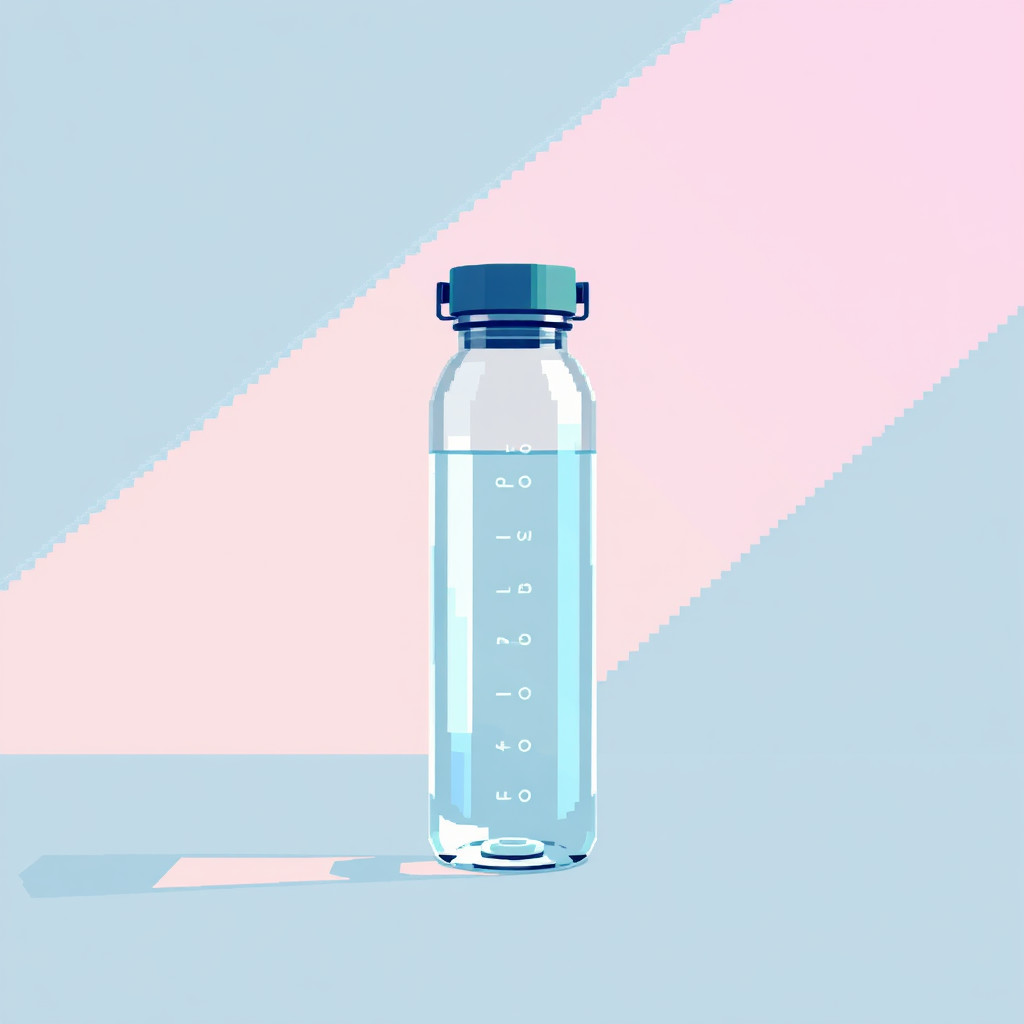
See the pixel art style in real outputs
These examples were generated through the Magic Eraser AI Create API with the pixel art style selected.
Prompt workflow
How to get a stronger pixel art result
Choose the output type first: sprite, icon, tile, scene, portrait, or poster.
Describe the palette and scale. Pixel art gets clearer when the prompt favors simple forms over tiny details.
After generation, crop tightly and resize carefully so the pixel feel stays crisp.
Prompt starters
- “Pixel art sprite of an original space courier, limited 16-color palette, transparent-style background”
- “Retro pixel art cafe exterior at night, warm window lights, rainy street, cozy mood”
- “Pixel art icon set concept for a photo editing app, eraser, brush, sparkle, clean grid”
Style tips
- Ask for a limited color palette if the result needs to feel authentic.
- Avoid long lists of small accessories; they usually turn into visual noise.
- Use strong contrast between the subject and background.
Output planning checklist
- Decide the final placement before prompting: square post, vertical story, product insert, poster, thumbnail, or wide banner.
- Keep one primary subject and one visual mood so the pixel art style has a clear job.
- Describe the background as simple, detailed, bright, dark, studio, outdoor, or textured instead of leaving it open-ended.
- Generate variations first, then edit the selected image for crop, cleanup, and export size.
When to choose this style
Choose pixel art when the image needs a clear creative direction before production: an ad concept, a social visual, a character idea, a packaging mood, or a fast design draft. Choose another style if the final asset must look like a camera photo, preserve exact product color, or include precise typography.
For commercial work, treat the generated image as a starting point. Review details, remove distracting artifacts, add exact text separately, and export the final size from the editor.
FAQ
Can I edit the generated image?
Yes. Generate the image, then continue with cleanup, crop, background, and export tools in Magic Eraser.
Should I include exact text?
Use AI Create for the visual direction. Add exact text later with editable design tools for cleaner spelling and layout.
Is this style selected automatically?
The CTA opens AI Create with the pixel art style parameter, and the app falls back safely if the option changes.