
การแต่งภาพด้วย AI สำหรับสปา: สร้างภาพที่ทำให้เกิดการจอง
วิธีที่เดย์สปาและศูนย์สุขภาพใช้การแก้ไขรูปภาพด้วย AI เพื่อสร้างภาพการตลาดที่ผ่อนคลายและเป็นมืออาชีพ ครอบคลุมการถ่ายภาพห้องทรีตเมนต์ การลบความยุ่งเหยิง การจัดเกรดสีอุ่น และการกระจายหลายแพลตฟอร์ม

Content Lead
ตรวจสอบโดย Magic Eraser Editorial ·
สารบัญ
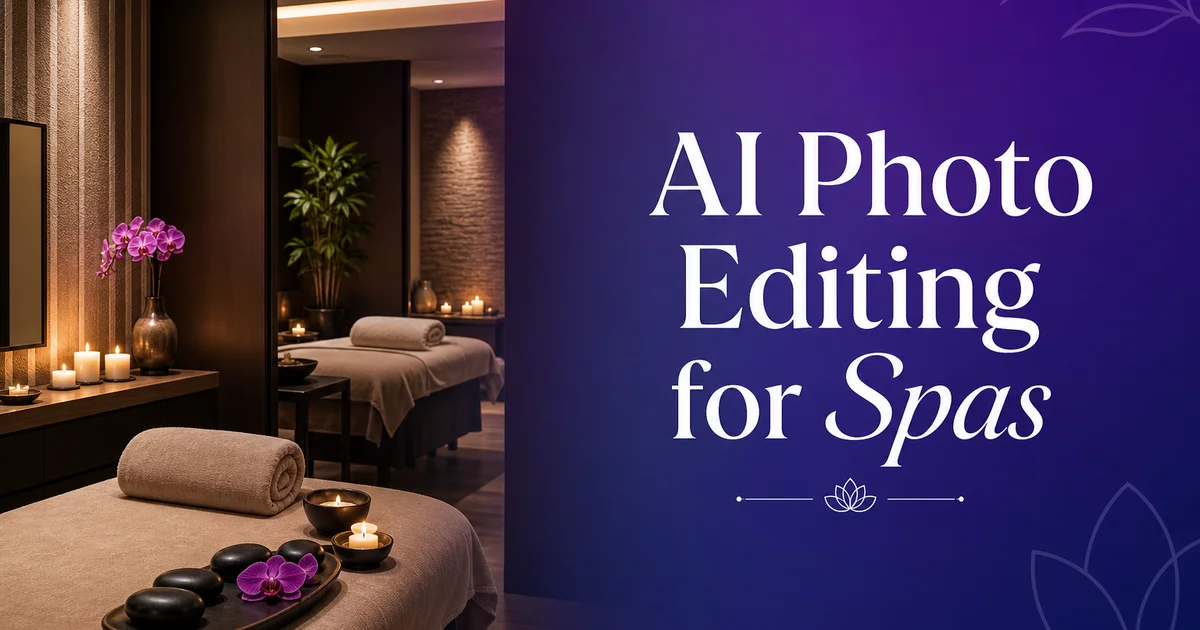
อุตสาหกรรมสปาและเวลเนสสร้างรายได้กว่า 1.2 แสนล้านดอลลาร์ต่อปีเฉพาะในสหรัฐอเมริกาเท่านั้น และเป็นตลาดที่เน้นภาพอย่างเข้มข้น ลูกค้าที่มีแนวโน้มซึ่งกำลังเลือกระหว่างเดย์สปาสองแห่งในย่านของตนแทบจะแน่นอนว่าจะสร้างความประทับใจแรกจากภาพถ่าย แกลเลอรีบนเว็บไซต์ของสปา ภาพใน Google Business Profile ฟีด Instagram และภาพบน Yelp ร่วมกันสร้างคำมั่นสัญญาเชิงภาพเกี่ยวกับประสบการณ์ คำมั่นนั้นต้องสื่อถึงความสงบ ความสะอาด ความหรูหรา และการดูแลอย่างเชี่ยวชาญ สปาที่ภาพการตลาดแสดงห้องทรีตเมนต์รกรุงรัง แสงฟลูออเรสเซนต์จ้า หรือคุณภาพภาพที่ไม่สม่ำเสมอ กำลังสร้างความประทับใจแรกในเชิงลบที่รีวิวห้าดาวมากแค่ไหนก็ไม่อาจชดเชยได้ทั้งหมด ความประทับใจเชิงภาพก่อตัวขึ้นก่อนที่ลูกค้าจะอ่านแม้แต่คำเดียว
ความท้าทายสำหรับธุรกิจสปาคือคุณสมบัติที่ทำให้สปาทำงานได้ในฐานะพื้นที่ทางกายภาพ แสงบรรยากาศนุ่มนวล อุณหภูมิสีอบอุ่น วัสดุธรรมชาติ องค์ประกอบน้ำ ผลิตภัณฑ์จากพฤกษศาสตร์ — ล้วนเป็นคุณสมบัติที่จับภาพได้ยาก กล้องสมาร์ตโฟนชดเชยแสงน้อยด้วยการเพิ่ม ISO และเปิดแฟลช ทำให้ได้ภาพที่ไม่หยาบเป็นเม็ดและออกเหลือง ก็แบนและสว่างเกินไป บรรยากาศอบอุ่นโอบล้อมที่ลูกค้าหลงรักเมื่อมาด้วยตนเองกลายเป็นภาพถ่ายมืดเบลอที่สื่อสิ่งตรงกันข้ามกับประสบการณ์หรูหราที่สปามอบให้ การถ่ายภาพมืออาชีพแก้ปัญหานี้ได้แต่มีค่าใช้จ่ายหลายร้อยถึงหลายพันดอลลาร์ต่อครั้ง และต้องถ่ายซ้ำทุกครั้งที่บริการ การตกแต่ง หรือข้อเสนอตามฤดูกาลเปลี่ยนไป
การแต่งภาพด้วย AI เชื่อมช่องว่างนี้ด้วยการเปลี่ยนภาพที่เจ้าของและผู้จัดการสปาถ่ายด้วยโทรศัพท์อยู่แล้วให้กลายเป็นสินทรัพย์การตลาดที่เนี้ยบ การลบวัตถุขจัดความรกรุงรังจากการดำเนินงานที่ปรากฏในสปาทุกแห่งที่เปิดทำการ สายไฟ ฉลากผลิตภัณฑ์ ป้ายความปลอดภัย อุปกรณ์การแพทย์ อุปกรณ์ทำความสะอาดที่มองเห็นในพื้นหลัง การเพิ่มสีแก้ไขโทนสีที่เพี้ยนจากแสงอุ่นและดึงความงามตามธรรมชาติของไม้ หินออกมา องค์ประกอบจากพฤกษศาสตร์โดยไม่ทำให้ภาพดูเย็นชาหรือเหมือนคลินิก การแทนที่พื้นหลังแยกทรีตเมนต์เฉพาะออกมาเพื่อโซเชียลมีเดียและการเน้นบนหน้าบริการ บทความนี้ครอบคลุมเวิร์กโฟลว์การแต่งภาพอย่างครบถ้วนสำหรับเดย์สปาและศูนย์เวลเนส ตั้งแต่การถ่ายไปจนถึงการกระจายหลายแพลตฟอร์ม
- ภาพการตลาดของสปาต้องสื่อถึงความสงบ ความสะอาด และความหรูหราตั้งแต่ความประทับใจเชิงภาพแรก — ก่อนที่ลูกค้าที่มีแนวโน้มจะอ่านข้อความหรือรีวิวใดๆ
- สภาพแวดล้อมสปาแสงน้อยทำให้ได้ภาพที่ยากลำบากบนสมาร์ตโฟน — การแก้สีด้วย AI ทำให้โทนอบอุ่นขึ้นและแก้ค่าแสงโดยไม่นำลุคจ้าและเหมือนคลินิกที่ผลักไสลูกค้าเวลเนสเข้ามา
- การลบวัตถุขจัดความรกรุงรังจากการดำเนินงาน — สายไฟ ฉลาก ป้าย อุปกรณ์การแพทย์ — ที่ทำลายอารมณ์อันน่าใฝ่ฝันที่ทุกภาพสปาควรสื่อ
- การจัดการภาพอย่างสม่ำเสมอในทุกช่องทางการตลาดสร้างประสบการณ์แบรนด์ที่กลมกลืน ซึ่งตอกย้ำการวางตำแหน่งระดับพรีเมียมของสปา
- การกระจายหลายแพลตฟอร์มด้วยการจัดรูปแบบที่เหมาะสมทำให้ภาพสปาทำงานได้ดีทั้งบน Google Business Profile, Instagram, แพลตฟอร์มการจอง และเว็บไซต์ของสปาเองไปพร้อมกัน
ทำไมคุณภาพภาพจึงกำหนดการตัดสินใจจองสปา
บริการสปาเป็นเชิงประสบการณ์โดยเนื้อแท้ — ลูกค้าไม่สามารถประเมินการนวด การทรีตเมนต์ใบหน้า หรือการทรีตเมนต์ร่างกายได้จนกว่าจะได้รับมัน สิ่งนี้ทำให้การตัดสินใจซื้อขึ้นอยู่กับตัวแทนของคุณภาพแทบทั้งหมด และการนำเสนอเชิงภาพคือตัวแทนที่ทรงพลังที่สุดที่มีอยู่ งานวิจัยของ International Spa Association แสดงให้เห็นอย่างสม่ำเสมอว่ารูปลักษณ์ของสถานที่ติดอันดับสามปัจจัยแรกที่มีอิทธิพลต่อการมาเยือนสปาครั้งแรก นำหน้าข้อเสนอบริการเฉพาะและเทียบเท่ากับราคาและทำเล ในทางปฏิบัติ นี่หมายความว่าสปาที่มีบริการยอดเยี่ยมแต่ถ่ายภาพปานกลางจะเสียลูกค้าที่มีแนวโน้มให้กับคู่แข่งที่ภาพสื่อประสบการณ์ได้ดีกว่า แม้ว่าคุณภาพบริการจริงจะเทียบเท่าหรือต่ำกว่าก็ตาม
ความคาดหวังเชิงภาพต่อภาพสปานั้นเฉพาะเจาะจงและถูกกำหนดโดยวัฒนธรรม ผู้บริโภคคาดหวังจะเห็นพื้นที่สะอาด ไม่รกด้วยแสงอบอุ่น วัสดุธรรมชาติ ผ้าขนหนูสีขาวพับเรียบ องค์ประกอบจากพฤกษศาสตร์ บรรยากาศโดยรวมที่อ่านได้ว่าสงบและจัดวางอย่างพิถีพิถัน ความคาดหวังเหล่านี้ถูกตอกย้ำด้วยการตลาดด้านการบริการและเวลเนสมาหลายทศวรรษ มันทำหน้าที่เป็นรหัสย่อเชิงภาพของคุณภาพและความเป็นมืออาชีพ ภาพที่เบี่ยงเบนจากธรรมเนียมเหล่านี้ ที่แสดงแสงจากเพดานจ้า อุปกรณ์เชิงพาณิชย์ที่มองเห็น พื้นผิวรกรุงรัง หรืออุณหภูมิสีเย็น — กระตุ้นการประเมินเชิงลบโดยไม่รู้ตัว ไม่ว่าประสบการณ์สปาจริงจะยอดเยี่ยมเพียงใด
Google Business Profile ได้ขยายความสำคัญของการถ่ายภาพสปา เพราะมันนำภาพขึ้นแสดงโดยตรงในผลการค้นหาในท้องถิ่น เมื่อลูกค้าที่มีแนวโน้มค้นหาเดย์สปาใกล้ฉันหรือทรีตเมนต์ใบหน้าในเมืองของตน Google จะแสดงภาพหมุนเวียนข้างรายชื่อธุรกิจ สปาที่ภาพแสดงห้องทรีตเมนต์อบอุ่นน่าเชิญชวนด้วยการถ่ายภาพคุณภาพมืออาชีพจะได้รับคลิกมากกว่าคู่แข่งที่ภาพเป็นภาพถ่ายโทรศัพท์ที่ไม่ได้แต่งของพื้นที่ระดับเดียวกัน นี่ไม่ใช่การคาดเดา — งานวิจัยของ Google เองเกี่ยวกับรายชื่อธุรกิจในท้องถิ่นยืนยันว่าธุรกิจที่มีภาพคุณภาพสูงได้รับคำขอเส้นทางและการเข้าชมเว็บไซต์มากกว่าอย่างมาก สายโทรเข้าก็มากกว่าธุรกิจที่มีภาพคุณภาพต่ำหรือไม่มีภาพ
- ตามงานวิจัยของ International Spa Association รูปลักษณ์ของสถานที่ติดอันดับสามปัจจัยแรกที่มีอิทธิพลต่อการมาเยือนสปาครั้งแรก
- ผู้บริโภคมีความคาดหวังเชิงภาพที่ถูกกำหนดโดยวัฒนธรรมต่อภาพสปา — แสงอบอุ่น วัสดุธรรมชาติ ผ้าขนหนูสีขาว องค์ประกอบจากพฤกษศาสตร์ — ที่ทำหน้าที่เป็นรหัสย่อของคุณภาพ
- Google Business Profile นำภาพสปาขึ้นแสดงโดยตรงในผลการค้นหาในท้องถิ่น ทำให้คุณภาพภาพเป็นแรงขับเคลื่อนโดยตรงของคลิก สายโทร และคำขอเส้นทาง
- สปาที่มีบริการยอดเยี่ยมแต่ถ่ายภาพปานกลางจะเสียลูกค้าให้กับคู่แข่งที่ภาพสื่อประสบการณ์ได้ดีกว่า ไม่ว่าความเท่าเทียมของบริการจริงจะเป็นอย่างไร
การถ่ายภาพห้องทรีตเมนต์: จับบรรยากาศสปา
ห้องทรีตเมนต์คือหัวใจสำคัญของการถ่ายภาพการตลาดสปา เพราะมันแทนแก่นของประสบการณ์ลูกค้า การถ่ายให้ดีต้องเข้าใจว่าเป้าหมายไม่ใช่การบันทึกแต่คือการสื่อสารทางอารมณ์ ภาพควรทำให้ผู้ชมรู้สึกถึงความสงบ ความอบอุ่น และการดูแลที่พวกเขาจะได้สัมผัสระหว่างทรีตเมนต์ นี่หมายถึงการถ่ายในช่วงนอกเวลาทำการเมื่อห้องสะอาดหมดจด ใช้แสงบรรยากาศของสปาเองแทนแฟลชหรือหลอดฟลูออเรสเซนต์บนเพดาน จัดแต่งห้องด้วยผ้าขนหนูสดใหม่ เทียนที่จุดไว้ และผลิตภัณฑ์ที่จัดวางอย่างพิถีพิถันก่อนถ่าย
การตั้งค่ากล้องและการจัดวางตำแหน่งสร้างความแตกต่างอย่างมากในการถ่ายภาพห้องทรีตเมนต์ ใช้เลนส์มุมกว้างหรือโหมดกว้างของโทรศัพท์เพื่อจับภาพทั้งห้อง แต่จัดตำแหน่งตัวเองให้เตียงหรือโต๊ะทรีตเมนต์เป็นจุดโฟกัสที่ชัดเจนพร้อมองค์ประกอบเสริม ชั้นวางผลิตภัณฑ์ งานศิลปะ องค์ประกอบน้ำ — กรอบมันไว้ ถ่ายจากมุมที่ต่ำลงเล็กน้อยเพื่อให้ห้องรู้สึกกว้างขวางแทนที่จะคับแคบ สำหรับแสง ปิดหลอดฟลูออเรสเซนต์บนเพดานและพึ่งแสงธรรมชาติจากหน้าต่างเสริมด้วยแสงเน้นของห้องเอง หากห้องมืดเกินไปสำหรับภาพคมชัดที่ถือถ่าย ให้ใช้ขาตั้งโทรศัพท์และฟังก์ชันตั้งเวลาแทนแฟลช จะทำลายอารมณ์ของบรรยากาศอย่างสิ้นเชิง
ภาพรายละเอียดสำคัญพอๆ กับภาพทั้งห้องสำหรับการตลาดสปา ภาพระยะใกล้ของผ้าขนหนูที่วางซ้อนกัน น้ำมันหอมในขวดสง่างาม กลีบดอกไม้บนผิวน้ำ หินอุ่นในชาม พื้นผิวของไม้หรือหินธรรมชาติให้ข้อมูลทางประสาทสัมผัสแก่ลูกค้าที่มีแนวโน้มซึ่งภาพทั้งห้องสื่อไม่ได้ ภาพรายละเอียดเหล่านี้ยังเป็นสินทรัพย์การตลาดที่อเนกประสงค์ที่สุด มันใช้งานได้เป็นโพสต์กริด Instagram พื้นผิวพื้นหลังเว็บไซต์ ส่วนหัวหน้าจอง และภาพจดหมายข่าวอีเมล ถ่ายมันด้วยแสงอบอุ่นเดียวกับที่ใช้กับทั้งห้องเพื่อรักษาความสม่ำเสมอเชิงภาพในสื่อการตลาดทั้งหมดของคุณ
- ถ่ายห้องทรีตเมนต์ในช่วงนอกเวลาทำการด้วยแสงบรรยากาศของสปาเอง — แฟลชและหลอดฟลูออเรสเซนต์บนเพดานทำลายบรรยากาศอบอุ่นสงบที่ขายประสบการณ์ได้
- ใช้การจัดเฟรมมุมกว้างโดยมีเตียงทรีตเมนต์เป็นจุดโฟกัสและองค์ประกอบเสริมอย่างชั้นแสดงผลิตภัณฑ์และองค์ประกอบน้ำที่สร้างมิติและบริบท
- ภาพรายละเอียดของผ้าขนหนู น้ำมัน หิน และพื้นผิวธรรมชาติให้ข้อมูลทางประสาทสัมผัสที่ภาพทั้งห้องสื่อไม่ได้ และเป็นสินทรัพย์การตลาดที่อเนกประสงค์ที่สุด
- รักษาแสงอบอุ่นที่สม่ำเสมอในทุกภาพ — ทั้งห้อง รายละเอียด และบริการ — เพื่อให้คลังภาพทั้งหมดเป็นส่วนหนึ่งของโลกเชิงภาพที่กลมกลืนเดียวกัน
การจัดเกรดสีสำหรับสุขภาพ: โทนอุ่นโดยไม่ต้องประมวลผลมากเกินไป
อุณหภูมิสีคือองค์ประกอบทางเทคนิคที่สำคัญที่สุดในการถ่ายภาพสปา เพราะมันสื่อถึงลักษณะทางอารมณ์ของพื้นที่โดยตรง โทนอบอุ่น — สีอำพัน ทอง พีชนุ่ม — ส่งสัญญาณถึงความสบาย การผ่อนคลาย และความหรูหรา โทนเย็น — ขาวอมฟ้า เทา ขาวจัด — ส่งสัญญาณถึงประสิทธิภาพแบบคลินิก ความแม่นยำทางการแพทย์ และความปลอดเชื้อ สปาส่วนใหญ่ต้องการอยู่ในช่วงอบอุ่นอย่างมั่นคง ยกเว้นเมดิสปาและศูนย์ไครโอเทอราพีที่อาจจงใจใช้โทนสีที่เย็นกว่าเพื่อส่งสัญญาณถึงคุณวุฒิทางการแพทย์ AI Enhance ให้คุณเลื่อนสมดุลแสงขาวไปทางอุ่นได้โดยไม่ต้องมีความรู้การปรับสีด้วยมือที่ช่างภาพมืออาชีพสั่งสมมาจากการฝึกฝนหลายปี
เขตอันตรายในการปรับสีของสปาคือการประมวลผลเกินขนาด ฟิลเตอร์โซเชียลมีเดียได้ฝึกนักการตลาดสปาบางคนให้ดันความอบอุ่นและความอิ่มสีไปสู่ขั้นสุด โทนผิวสีทองที่ดูเหมือนสเปรย์ผิวแทน พื้นผิวไม้ที่เปล่งแสงส้มจัดราวกัมมันตรังสี และโทนอำพันโดยรวมที่ทำให้สปาดูเหมือนกำลังลุกไหม้ การประมวลผลเกินขนาดนี้ย้อนแย้งเพราะมันดูเทียมอย่างเห็นได้ชัด ความเทียมเป็นสิ่งตรงกันข้ามกับประสบการณ์ที่เป็นธรรมชาติและแท้จริงที่ลูกค้าเวลเนสแสวงหา การแก้ไขควรละเอียดอ่อน คือความอบอุ่นพอดีที่จะหักล้างโทนขาวอมฟ้าจากสมดุลแสงขาวอัตโนมัติของกล้องโทรศัพท์ ความอิ่มสีพอดีที่จะทำให้วัสดุธรรมชาติและองค์ประกอบจากพฤกษศาสตร์ดูสดใสโดยไม่ข้ามไปสู่อาณาเขตที่ไม่เป็นธรรมชาติ
โทนผิวต้องการความใส่ใจเป็นพิเศษในภาพสปา เพราะภาพสปาจำนวนมากมีผิวที่มองเห็นได้ ลูกค้าที่กำลังรับการทรีตเมนต์ใบหน้า มือที่กำลังทำเล็บ ไหล่ระหว่างการนวด การประมวลผลที่รับรู้ผิวของ AI Enhance รักษาพื้นผิวและโทนผิวตามธรรมชาติไว้ขณะทำให้ภาพโดยรวมอบอุ่นขึ้น ผิวควรดูสุขภาพดีและเป็นธรรมชาติ ไม่ถูกฟิลเตอร์หรือเกลี่ยเรียบ การเกลี่ยผิวเรียบเกินไปในภาพสปาเป็นข้อผิดพลาดที่พบบ่อยซึ่งทำให้ภาพดูเหมือนภาพสต็อกจากปี 2010 แทนที่จะเป็นการบันทึกที่แท้จริงของประสบการณ์สปาจริง รักษาพื้นผิวผิวที่มองเห็น รายละเอียดรูขุมขนตามธรรมชาติ และความแปรผันของสีที่สมจริงไว้ ขณะทำให้โทนโดยรวมอบอุ่นขึ้นอย่างนุ่มนวล
- โทนอบอุ่นส่งสัญญาณถึงความสบายและความหรูหรา ขณะที่โทนเย็นส่งสัญญาณถึงความปลอดเชื้อแบบคลินิก — สปาส่วนใหญ่ควรเลื่อนสมดุลแสงขาวไปทางอุ่น โดยมีเมดิสปาเป็นข้อยกเว้น
- การประมวลผลเกินขนาดด้วยความอบอุ่นและความอิ่มสีสุดขั้วย้อนแย้งเพราะมันดูเทียม ขัดแย้งโดยตรงกับความแท้จริงตามธรรมชาติที่ลูกค้าเวลเนสแสวงหา
- โทนผิวต้องดูสุขภาพดีและเป็นธรรมชาติ ไม่ถูกฟิลเตอร์ — การเกลี่ยเรียบเกินไปเป็นลุคล้าสมัยที่ทำให้ภาพสปารู้สึกเหมือนภาพสต็อกแทนที่จะเป็นประสบการณ์ที่แท้จริง
- เป้าหมายคือการแก้ไขที่ละเอียดอ่อน คือการหักล้างความเอนเอียงของสมดุลแสงขาวอัตโนมัติของกล้องโทรศัพท์ และดึงความอบอุ่นของวัสดุธรรมชาติออกมาโดยไม่ข้ามไปสู่อาณาเขตสีที่ไม่เป็นธรรมชาติ
How to do it
- 1
Photograph treatment rooms and service areas with natural or warm lighting
Spa marketing photography should convey calm, cleanliness, and luxury. Photograph treatment rooms with the overhead lights dimmed and natural window light or warm-toned accent lighting as the primary source. Capture the full room at a wide angle to show the space. Take detail shots of folded towels, product displays, candles, and water features. Shoot during off-hours when the space is pristine and unoccupied. Use a phone tripod to avoid motion blur in the low-light conditions that create the warm, ambient mood spa clients expect.
- 2
Remove visual clutter with Magic Eraser
Even a well-staged spa has operational elements that break the mood in photographs: visible electrical outlets near treatment beds, safety signage on doors, commercial product labels that disrupt the curated aesthetic, medical devices in medi-spa settings. The everyday objects that accumulate in a working space. Use Magic Eraser to brush over these distractions. Remove visible cords, wall blemishes, ceiling fixtures that do not contribute to ambiance. Anything that pulls the viewer out of the aspirational experience the image should share.
- 3
Clean up backgrounds with Background Eraser for service highlight shots
For images that showcase specific services. A facial treatment, a massage technique, a manicure in progress — use Background Eraser to isolate the service from the room setting. Replace the background with a soft, neutral gradient or a clean color that matches your brand palette. This technique is mainly effective for social media posts and website service pages where you want the viewer's attention on the treatment itself rather than the room. Keep the replacement background soft and warm to maintain the spa ambiance.
- 4
Enhance warmth, skin tones, and product presentation with AI Enhance
Use AI Enhance to correct white balance toward warm tones. Spa photography should never feel cool or clinical unless you are specifically marketing a cryotherapy or medical aesthetic service. Gently boost saturation in the warm range to make wood, stone, and earth-tone surfaces glow. For images with visible skin, ensure the boost preserves natural skin texture and tone. Over-smoothing or artificial warmth makes spa images look dated. Sharpen product close-ups to make labels readable and textures visible on lotions, oils, and botanical ingredients.
- 5
Format for website galleries, booking platforms, and social media
Save edited photos in multiple aspect ratios: landscape for website hero banners and Google Business Profile, square for Instagram grid posts. 9:16 vertical for Stories and Reels. Create a consistent color grade across your entire photo library so every image on your website and social feeds belongs to the same visual world. Upload to your booking platform with service-specific alt text and captions. For Google Business Profile, include both interior atmosphere shots and individual service photos to appear in local search results for spa services in your area.
แหล่งข้อมูล
- Global Wellness Economy Report — Global Wellness Institute
- Visual Marketing in the Wellness Industry: Consumer Expectations — HubSpot
- ISPA U.S. Spa Industry Study — International Spa Association