
การแก้ไขภาพถ่ายด้วย AI สำหรับนักพฤกษศาสตร์ชาติพันธุ์: บันทึกความรู้เรื่องพืช — Magic Eraser
การถ่ายภาพตัวอย่างพืชระดับมืออาชีพสำหรับนักพฤกษศาสตร์ชาติพันธุ์และนักวิจัยภาคสนาม เครื่องมือ AI สำหรับบันทึกพฤกษศาสตร์ การบันทึกความรู้ดั้งเดิม การถ่ายภาพตัวอย่างพรรณไม้ และการถ่ายภาพสำรวจภาคสนาม

Content Lead
ตรวจสอบโดย Magic Eraser Editorial ·
สารบัญ
- การถ่ายภาพภาคสนามสำหรับเอกสารพฤกษศาสตร์ชาติพันธุ์: ตัวอย่าง แหล่งที่อยู่อาศัย และการใช้แบบดั้งเดิม
- การแยกตัวอย่างและการจัดทำเอกสารแบบพิพิธภัณฑ์พรรณไม้ด้วยการลบพื้นหลัง
- เสริมลักษณะวินิจฉัยทางพฤกษศาสตร์เพื่อการระบุชนิดและจัดทำเอกสาร
- ข้อพิจารณาด้านจริยธรรม: ความเป็นส่วนตัว ความอ่อนไหวทางวัฒนธรรม และการปกป้องความรู้ดั้งเดิม
- เวิร์กโฟลว์การตีพิมพ์ การรวมฐานข้อมูล และคลังความรู้ชุมชน
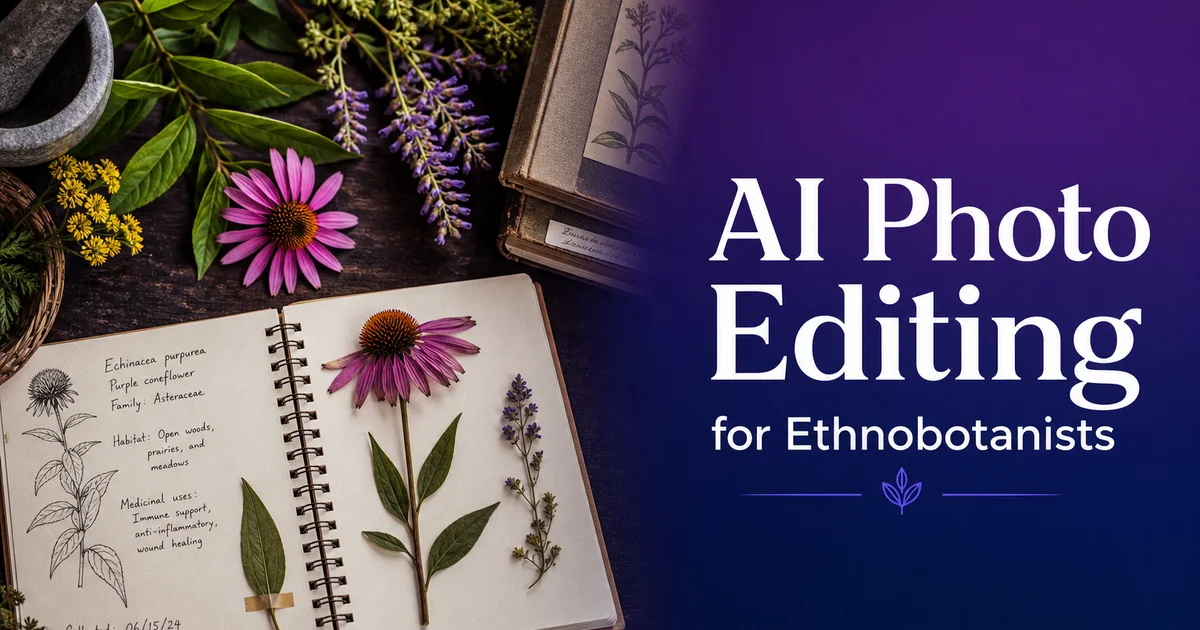
พฤกษศาสตร์ชาติพันธุ์ — การศึกษาทางวิทยาศาสตร์เกี่ยวกับความสัมพันธ์ระหว่างผู้คนกับพืช ครอบคลุมระบบความรู้ดั้งเดิม การใช้พืชสมุนไพร ความหลากหลายของพืชอาหาร ความสำคัญทางวัฒนธรรมของพรรณพืชในชุมชนพื้นเมืองและท้องถิ่นทั่วโลก — เป็นสาขาที่การบันทึกภาพถ่ายทำหน้าที่เป็นทั้งหลักฐานทางวิทยาศาสตร์ บันทึกทางวัฒนธรรม และเครื่องมืออนุรักษ์ไปพร้อมกัน ทุกการสำรวจภาคสนาม การสำรวจตลาด การสัมภาษณ์หมอพื้นบ้าน การเก็บตัวอย่างพรรณไม้แห้งสร้างภาพถ่ายที่กลายเป็นแหล่งข้อมูลปฐมภูมิ: หลักฐานเชิงภาพของการระบุชนิดพืช บันทึกวิธีการเตรียมแบบดั้งเดิม บันทึกการกระจายตัวของพืชและบริบททางนิเวศวิทยา และองค์ประกอบเชิงภาพของคลังความรู้ที่อาจเป็นบันทึกเดียวที่เข้าถึงได้ของความเชี่ยวชาญทางพฤกษศาสตร์ดั้งเดิมที่กำลังหายไปอย่างรวดเร็ว คุณภาพของภาพถ่ายเหล่านี้กำหนดประโยชน์ทางวิทยาศาสตร์ คุณค่าในฐานะบันทึกทางวัฒนธรรม และประสิทธิภาพในฐานะหลักฐานการอนุรักษ์ของภาพถ่ายเหล่านั้นโดยตรง
ความท้าทายด้านการถ่ายภาพที่เฉพาะกับงานภาคสนามทางพฤกษศาสตร์ชาติพันธุ์นั้นใหญ่หลวงและแตกต่างจากความท้าทายของการถ่ายภาพในสตูดิโอหรือแม้แต่การถ่ายภาพเชิงนิเวศมาตรฐาน นักพฤกษศาสตร์ชาติพันธุ์ทำงานในภาคสนาม — ป่าเขตร้อนที่มีเงาลึกและแสงเป็นหย่อม ภูมิประเทศแห้งแล้งใต้แดดเที่ยงที่แผดเผา สภาพแวดล้อมบนภูเขาที่อากาศเปลี่ยนแปลงอย่างรวดเร็ว ตลาดท้องถิ่นที่ตัวอย่างถูกรายล้อมด้วยแผงค้าหนาแน่นและฝูงชน ตัวอย่างไม่สามารถจัดวางใหม่ได้อย่างสะดวกเพื่อการถ่ายภาพที่เหมาะสมที่สุด ต้องบันทึกไว้ ณ ที่ที่มันเติบโต ที่ที่มันถูกขาย หรือที่ที่ผู้ปฏิบัติดั้งเดิมใช้มัน แรงกดดันด้านเวลาเป็นเรื่องคงที่เพราะฤดูกาลภาคสนามมีจำกัด การเข้าถึงชุมชนอาจถูกจำกัด ผู้ถือครองความรู้ดั้งเดิมอาจมีเวลาว่างจำกัด งานภาคสนามส่วนใหญ่พึ่งพากล้องโทรศัพท์มากกว่าอุปกรณ์เฉพาะทาง การเชื่อมต่อสำหรับการแก้ไขบนคลาวด์มักไม่มีจนกว่านักวิจัยจะกลับสู่ฐาน ข้อจำกัดเหล่านี้หมายความว่าภาพถ่ายภาคสนามมักจะมืดเกินไป จัดองค์ประกอบไม่ดี รกไปด้วยสิ่งรบกวนพื้นหลัง ขาดรายละเอียดเชิงวินิจฉัยที่ทำให้มันมีประโยชน์ต่อการระบุชนิดพืชและการบันทึกทางพฤกษศาสตร์
เครื่องมือแก้ไขภาพถ่ายด้วย AI จัดการกับความท้าทายแต่ละข้อของการถ่ายภาพทางพฤกษศาสตร์ชาติพันธุ์เหล่านี้ในวิธีที่ยกระดับคุณค่าเชิงเอกสารของภาพที่เก็บในภาคสนามอย่างมากโดยไม่ต้องถ่ายภาพใหม่ ซึ่งมักเป็นไปไม่ได้เมื่อฤดูกาลภาคสนามสิ้นสุดลงหรือการเข้าถึงชุมชนปิดลง การลบพื้นหลังแยกตัวอย่างออกจากฉากภาคสนามที่รกเพื่อบันทึกการระบุที่ชัดเจน AI boost กู้คืนรายละเอียดเชิงวินิจฉัยทางพฤกษศาสตร์ เส้นใบ ลวดลายขน โครงสร้างดอก พื้นผิวเปลือก — ที่กล้องโทรศัพท์และแสงที่ยากลำบากบีบให้แบนจนเกินประโยชน์ การลบวัตถุทำความสะอาดร่องรอยของงานภาคสนาม และที่สำคัญยิ่งต่อจริยธรรมการวิจัยทางพฤกษศาสตร์ชาติพันธุ์ ลบองค์ประกอบที่อ่อนไหวต่อความเป็นส่วนตัวซึ่งอาจกระทบความลับของผู้ถือครองความรู้ดั้งเดิมหรือเปิดเผยที่ตั้งของแหล่งเก็บที่อ่อนไหวทางวัฒนธรรม คู่มือนี้ครอบคลุมขั้นตอนการทำงานถ่ายภาพและแก้ไขที่ครบถ้วนสำหรับนักพฤกษศาสตร์ชาติพันธุ์ ตั้งแต่การถ่ายภาคสนามผ่านการแก้ไขและการส่งออกสำหรับฐานข้อมูล สิ่งพิมพ์ และคลังความรู้ชุมชน
- Background Eraser แยกตัวอย่างพืชออกจากฉากภาคสนามที่ซับซ้อน พื้นป่าชั้นล่าง แผงตลาด สภาพแวดล้อมการเตรียมแบบดั้งเดิม — เพื่อบันทึกการระบุแบบพรรณไม้แห้งที่ชัดเจน
- AI Enhance กู้คืนลักษณะทางพฤกษศาสตร์เชิงวินิจฉัยที่การถ่ายภาพภาคสนามพลาดไป เส้นใบ ความหนาแน่นของขน โครงสร้างภายในดอก ลวดลายช่องอากาศบนเปลือก และพื้นผิวเมล็ดที่สำคัญต่อการระบุชนิดพืช
- Magic Eraser ลบร่องรอยของงานภาคสนามรวมถึงเครื่อง GPS ป้ายเก็บตัวอย่าง รอยเท้าเปื้อนโคลน และหยดน้ำที่บดบังลักษณะเชิงวินิจฉัยของตัวอย่างที่บันทึกไว้
- การปกป้องความเป็นส่วนตัวลบใบหน้าที่ระบุตัวตนได้ของผู้ถือครองความรู้ดั้งเดิมที่ไม่ยินยอม จุดสังเกตของแหล่งวัฒนธรรม และวัสดุการเตรียมเฉพาะออกจากภาพถ่ายเอกสาร
- การส่งออกเป็นชุดสร้างภาพมาตรฐานสำหรับฐานข้อมูลภาคสนาม ไฟล์ความละเอียดสูงสำหรับการตีพิมพ์ทางวิชาการ เวอร์ชันหลายความละเอียดสำหรับคลังความรู้ชุมชนที่มีระดับการเข้าถึงที่เหมาะสม
การถ่ายภาพภาคสนามสำหรับเอกสารพฤกษศาสตร์ชาติพันธุ์: ตัวอย่าง แหล่งที่อยู่อาศัย และการใช้แบบดั้งเดิม
การถ่ายภาพภาคสนามทางพฤกษศาสตร์ชาติพันธุ์ที่มีประสิทธิภาพต้องใช้แนวทางที่เป็นระบบซึ่งบันทึกพืชแต่ละต้นในหลายมาตราส่วนและจากหลายมุมมองเพื่อจับช่วงข้อมูลทั้งหมดที่ภาพถ่ายจะถูกคาดหวังให้สื่อ ภาพถิ่นที่อยู่มุมกว้างวางตัวอย่างไว้ในบริบททางนิเวศวิทยา แสดงสังคมพืชที่มันสังกัด ภูมิประเทศและสภาพดินที่มันเติบโต ความสัมพันธ์กับพืชพรรณอื่น และความสัมพันธ์ทางนิเวศที่มองเห็นได้ใด ๆ เช่น พืชอิงอาศัย ปรสิต หรือชนิดที่อยู่ร่วมกัน ภาพเชิงบริบทนี้เป็นกุญแจสำคัญในการทำความเข้าใจความสัมพันธ์ทางพฤกษศาสตร์ชาติพันธุ์ระหว่างพืชกับผู้ใช้ที่เป็นมนุษย์: พืชสมุนไพรที่เติบโตเฉพาะในที่โล่งในป่าที่ถูกรบกวนใกล้ถิ่นฐานบอกเล่าเรื่องราวทางนิเวศและวัฒนธรรมที่ต่างจากพืชที่ต้องการป่าปฐมภูมิที่ลึก AI boost ยกระดับความสามารถในการอ่านของภาพมุมกว้างเหล่านี้ในภายหลัง ซึ่งชนิดเป้าหมายอาจเป็นองค์ประกอบเล็ก ๆ ภายในฉากพืชพรรณที่ซับซ้อน
ภาพถ่ายระยะกลางของพืชทั้งต้นหรือส่วนกิ่งที่เป็นตัวแทนบันทึกรูปแบบการเจริญ ลวดลายการแตกกิ่ง การจัดเรียงใบ ลักษณะเชิงสถาปัตยกรรมโดยรวมที่ทำหน้าที่เป็นระดับแรกของการระบุทางพฤกษศาสตร์ ภาพเหล่านี้ควรจับส่วนของพืชให้เพียงพอที่จะแสดงว่ามันเป็นต้นไม้ ไม้พุ่ม เถาวัลย์ ไม้ล้มลุก หรือพืชอิงอาศัย ใบเป็นแบบสลับ ตรงข้าม หรือรอบข้อ และพืชอยู่ในระยะออกดอก ติดผล หรือสภาพเจริญทางลำต้น ณ เวลาที่บันทึก เพื่อวัตถุประสงค์ทางพฤกษศาสตร์ชาติพันธุ์ ภาพระยะกลางเหล่านี้ยังบันทึกว่าพืชนำเสนอตัวเองอย่างไรต่อผู้ปฏิบัติดั้งเดิมที่ระบุและเก็บเกี่ยวมัน รูปแบบการเจริญและลักษณะที่มองเห็นได้ซึ่งระบบความรู้ท้องถิ่นใช้ในการจดจำพืช ซึ่งอาจต่างจากลักษณะทางพฤกษศาสตร์ที่เป็นทางการที่นักอนุกรมวิธานพึ่งพาอย่างมาก การบันทึกทั้งสองมุมมอง — ลักษณะเชิงวินิจฉัยของนักอนุกรมวิธานและลักษณะการจดจำของผู้ปฏิบัติดั้งเดิม — เป็นพื้นฐานของการบันทึกทางพฤกษศาสตร์ชาติพันธุ์
ภาพถ่ายระยะใกล้และมาโครของส่วนพืชเฉพาะ ดอก ผล เมล็ด พื้นผิวใบ (ทั้งด้านบนและด้านล่าง) เปลือก ราก และสารคัดหลั่ง — ให้หลักฐานโดยละเอียดที่จำเป็นสำหรับการระบุระดับชนิดและสำหรับการบันทึกส่วนพืชเฉพาะที่ใช้ในการเตรียมแบบดั้งเดิม ภาพพื้นผิวใบที่แสดงความหนาแน่นและชนิดของขนช่วยให้นักพฤกษศาสตร์ที่ทบทวนบันทึกในอีกหลายเดือนหรือหลายปีต่อมายืนยันหรือแก้ไขการระบุภาคสนาม ภาพระยะใกล้ของดอกที่แสดงจำนวนเกสรตัวผู้ การจัดเรียงกลีบ และตำแหน่งรังไข่สามารถกำหนดการจัดวางระดับสกุล ภาพเปลือกที่กำลังถูกลอกเพื่อการเตรียมยาบันทึกทั้งวัสดุที่ใช้และเทคนิคการเก็บเกี่ยว ภาพระยะใกล้เหล่านี้ได้ประโยชน์มากที่สุดจาก AI boost เพราะความสามารถมาโครของกล้องโทรศัพท์มีจำกัด แสงภาคสนามแทบไม่เคยเหมาะสมที่สุด รายละเอียดทางชีววิทยาเล็กพอที่แม้แต่การปรับปรุงความคมและความเปรียบต่างเพียงเล็กน้อยก็สร้างความแตกต่างระหว่างบันทึกการระบุที่ใช้ได้กับภาพเบลอที่ไม่ให้ข้อมูล
- ภาพถิ่นที่อยู่มุมกว้างวางตัวอย่างไว้ในบริบททางนิเวศวิทยา สังคมพืช ภูมิประเทศ สภาพดิน และชนิดที่เกี่ยวข้องซึ่งบ่งบอกความสัมพันธ์ทางพฤกษศาสตร์ชาติพันธุ์ระหว่างพืชกับผู้ใช้ที่เป็นมนุษย์
- ภาพถ่ายระยะกลางบันทึกรูปแบบการเจริญ ลวดลายการแตกกิ่ง และการจัดเรียงใบ ขณะที่จับทั้งลักษณะเชิงวินิจฉัยทางอนุกรมวิธานและลักษณะการจดจำของผู้ปฏิบัติดั้งเดิม
- ภาพมาโครระยะใกล้ของดอก ผล พื้นผิวใบ เปลือก และสารคัดหลั่งให้หลักฐานการระบุระดับชนิดและบันทึกส่วนพืชเฉพาะที่ใช้ในการเตรียมแบบดั้งเดิม
- การถ่ายภาพอย่างเป็นระบบหลายมาตราส่วนจับช่วงข้อมูลทั้งหมดที่ภาพถ่ายภาคสนามต้องสื่อเพื่อวัตถุประสงค์การบันทึกทางวิทยาศาสตร์ วัฒนธรรม และการอนุรักษ์
การแยกตัวอย่างและการจัดทำเอกสารแบบพิพิธภัณฑ์พรรณไม้ด้วยการลบพื้นหลัง
การบันทึกตัวอย่างแบบพรรณไม้แห้ง — ภาพถ่ายของวัสดุพืชบนพื้นหลังที่สะอาดเป็นกลางพร้อมการอ้างอิงมาตราส่วน — เป็นมาตรฐานทองคำสำหรับบันทึกการระบุทางพฤกษศาสตร์เพราะมันขจัดความซับซ้อนเชิงภาพที่ทำให้ประเมินภาพถ่ายภาคสนามได้ยาก ในการปฏิบัติพรรณไม้แห้งดั้งเดิม ตัวอย่างถูกอัด อบแห้ง และติดบนแผ่นกระดาษขาวสำหรับการเก็บรักษาในคลังถาวร สำหรับการบันทึกภาคสนามทางพฤกษศาสตร์ชาติพันธุ์ Background Eraser สร้างสิ่งเทียบเท่าเชิงภาพของการติดพรรณไม้แห้งโดยแยกตัวอย่างที่ถ่ายในภาคสนามออกจากพื้นหลังธรรมชาติที่ซับซ้อนและวางไว้บนพื้นผิวขาวที่สะอาด แนวทางพรรณไม้แห้งดิจิทัลนี้เสริมมากกว่าแทนที่การเก็บตัวอย่างทางกายภาพ โดยให้บันทึกเชิงภาพที่สะอาดของพืชที่อาจไม่ถูกเก็บเป็นตัวอย่างทางกายภาพ ไม่ว่าเพราะมันหายากเกินไป เพราะไม่มีใบอนุญาตเก็บ หรือเพราะการบันทึกทางพฤกษศาสตร์ชาติพันธุ์เน้นการใช้พืชที่มีชีวิตมากกว่าการเก็บรักษาตัวอย่างแห้ง
ความท้าทายทางเทคนิคของการลบพื้นหลังตัวอย่างพืชนั้นมากกว่าการถ่ายภาพผลิตภัณฑ์ส่วนใหญ่เพราะวัตถุทางพฤกษศาสตร์มีโครงร่างที่ซับซ้อนและไม่สม่ำเสมอ ขอบใบหยัก ใบประกอบแบบขนนกที่มีใบย่อยแยกหลายสิบใบ เส้นใยดอกที่บอบบาง ลำต้นที่แตกกิ่ง และขอบกลีบโปร่งแสงที่ผสมกลมกลืนบางส่วนกับพื้นหลังด้านหลัง AI ต้องลากเส้นขอบทางพฤกษศาสตร์ที่ซับซ้อนเหล่านี้อย่างแม่นยำขณะจัดการความโปร่งแสงบางส่วนของกลีบบางและใบอ่อนที่สีพื้นหลังส่องผ่านเนื้อเยื่อพืช สำหรับตัวอย่างที่มีลักษณะเชิงวินิจฉัยที่ขอบ ลวดลายหยัก ขนที่ขอบ รูปทรงปลายใบ — ความแม่นยำของการตรวจจับขอบส่งผลโดยตรงต่อคุณค่าเชิงเอกสารของภาพที่ได้ การลบพื้นหลังด้วย AI จัดการความซับซ้อนทางพฤกษศาสตร์เหล่านี้ได้ดีกว่าเครื่องมือเลือกด้วยมืออย่างมาก โดยหลักสำหรับชนิดใบประกอบที่พบทั่วไปในพืชพรรณเขตร้อนที่แต่ละใบอาจมีใบย่อยแยกยี่สิบใบขึ้นไปที่ต้องการการตรวจจับขอบแยกต่างหาก
สำหรับตัวอย่างทางพฤกษศาสตร์ชาติพันธุ์ที่รวมส่วนพืชหลายส่วน กิ่งที่ออกดอก ผลที่เก็บแยก ส่วนราก ตัวอย่างเปลือก — ภาพเอกสารแบบประกอบที่สร้างจากองค์ประกอบที่ลบพื้นหลังทีละชิ้นให้บันทึกภาพเดียวที่ครบถ้วนเปรียบได้กับการจัดวางแผ่นพรรณไม้แห้งดั้งเดิม กิ่งที่ออกดอกครองตรงกลาง โดยผลจัดวางด้านหนึ่ง ตัวอย่างเปลือกและรากอีกด้านหนึ่ง การอ้างอิงมาตราส่วนที่มุม แนวทางแบบประกอบนี้ซึ่งเป็นมาตรฐานในการปฏิบัติพรรณไม้แห้งมากว่าสามศตวรรษ ถ่ายโอนสู่การบันทึกดิจิทัลอย่างเป็นธรรมชาติ ซึ่งส่วนพืชที่ถ่ายและแยกทีละชิ้นถูกประกอบเป็นเลย์เอาต์ที่สะอาดและให้ข้อมูล Background Eraser จัดการการแยกแต่ละองค์ประกอบ พื้นหลังขาวที่สม่ำเสมอรับประกันความเชื่อมโยงเชิงภาพข้ามส่วนต่าง ๆ ที่อาจถ่ายในเวลาต่างกัน ภายใต้สภาพแสงต่างกัน และกับพื้นหลังภาคสนามต่างกัน
- การบันทึกแบบพรรณไม้แห้งดิจิทัลเสริมการเก็บตัวอย่างทางกายภาพสำหรับพืชที่หายากเกินกว่าจะเก็บ ขาดใบอนุญาต หรือบันทึกเพื่อการใช้พืชที่มีชีวิตแบบดั้งเดิมมากกว่าการเก็บรักษาแบบแห้ง
- โครงร่างทางพฤกษศาสตร์ที่ซับซ้อน — ขอบหยัก ใบประกอบ เส้นใยบอบบาง กลีบโปร่งแสง — ต้องการความแม่นยำของขอบจาก AI ที่เกินเครื่องมือเลือกด้วยมือ โดยหลักสำหรับชนิดใบประกอบเขตร้อน
- ภาพเอกสารแบบประกอบประกอบส่วนพืชที่แยกทีละชิ้นเป็นการจัดวางแผ่นพรรณไม้แห้งด้วยกิ่งออกดอก ผล เปลือก และตัวอย่างรากบนพื้นหลังที่เป็นหนึ่งเดียวและสะอาด
- พื้นหลังขาวที่สม่ำเสมอรับประกันความเชื่อมโยงเชิงภาพข้ามส่วนพืชที่ถ่ายในเวลาต่างกันและภายใต้สภาพภาคสนามต่างกันภายในบันทึกตัวอย่างแบบประกอบเดียว
เสริมลักษณะวินิจฉัยทางพฤกษศาสตร์เพื่อการระบุชนิดและจัดทำเอกสาร
ลักษณะเชิงวินิจฉัยที่นักพฤกษศาสตร์ใช้ในการระบุพืชทำงานในมาตราส่วนตั้งแต่ระดับมาโครที่มองเห็นด้วยตาเปล่าลงไปจนถึงรายละเอียดเกือบจุลทรรศน์ที่ต้องใช้การขยาย และการถ่ายภาพภาคสนามทางพฤกษศาสตร์ชาติพันธุ์ด้วยกล้องโทรศัพท์มักจับระดับมาโครได้พอเพียงแต่สูญเสียรายละเอียดที่ละเอียดกว่าซึ่งมักสำคัญต่อการกำหนดระดับชนิด AI boost เชื่อมช่องว่างนี้โดยกู้คืนลักษณะระดับละเอียดที่เซ็นเซอร์กล้องบันทึกไว้แต่ด้วยความเปรียบต่างหรือความคมไม่เพียงพอต่อการประเมินของมนุษย์ ลวดลายเส้นใบ — การจัดเรียงและการแตกแขนงของเส้นที่มองเห็นบนพื้นผิวใบ — อยู่ในกลุ่มลักษณะที่ให้ข้อมูลทางอนุกรมวิธานมากที่สุดที่มาตราส่วนเปลี่ยนผ่านมาโครสู่ไมโคร ภาพใบที่แสดงชัดเจนว่าเส้นใบเป็นแบบขนนก ฝ่ามือ ขนาน หรือร่างแห เส้นใบทุติยภูมิเป็นแบบ brochidodromous, eucamptodromous หรือ craspedodromous ให้ข้อมูลการระบุที่สามารถจำกัดการกำหนดจากวงศ์ผ่านสกุลไปจนถึงระดับชนิด Boost ทำให้ลวดลายเส้นใบเหล่านี้มองเห็นได้ในภาพที่ภาพกล้องที่ไม่ได้ประมวลผลแสดงเพียงพื้นผิวสีเขียว
การบันทึกขน — การบันทึกโครงสร้างคล้ายเส้นผมบนพื้นผิวพืช — เป็นอีกพื้นที่หนึ่งที่ AI boost เปลี่ยนภาพถ่ายภาคสนามจากไม่เพียงพอเป็นให้ข้อมูล ขนแปรผันอย่างมากในชนิด ความหนาแน่น การกระจาย สีในพรรณพืชต่าง ๆ และอยู่ในกลุ่มลักษณะเชิงวินิจฉัยที่น่าเชื่อถือที่สุดในการแยกแยะชนิดที่เกี่ยวข้องใกล้ชิดที่ดูคล้ายกันเผิน ๆ ขนเดี่ยวเป็นขนเซลล์เดียวตรง ขนรูปดาวเป็นกระจุกรูปดาว ขนต่อมมีปลายบวมที่บรรจุน้ำมันหอมระเหยและสารประกอบอื่น ขนรูปโล่เป็นโครงสร้างแบนคล้ายเกล็ด กล้องโทรศัพท์ที่ระยะถ่ายปกติไม่สามารถแยกแยะโครงสร้างขนแต่ละเส้น แต่มักจับข้อมูลพอเพียงที่ AI boost สามารถปรับให้คมเป็นรายละเอียดเชิงวินิจฉัยที่ใช้ได้ เผยว่าพื้นผิวใบเกลี้ยง มีขนประปราย มีขนหนาแน่น หรือมีต่อม แม้จากภาพถ่ายภาคสนามมาตรฐานที่ไม่ได้ถ่ายเฉพาะเพื่อการบันทึกขน
การ boost โครงสร้างดอกมีค่ามากเป็นพิเศษสำหรับการบันทึกทางพฤกษศาสตร์ชาติพันธุ์เพราะการใช้พืชแบบดั้งเดิมจำนวนมากเกี่ยวข้องกับดอกหรือผลิตภัณฑ์จากดอก ชา ทิงเจอร์ ผลิตภัณฑ์หอม แหล่งสีย้อม — และการบันทึกดอกที่แม่นยำสนับสนุนทั้งการระบุทางพฤกษศาสตร์และการบันทึกการใช้แบบดั้งเดิม โครงสร้างภายในของดอก จำนวนและการจัดเรียงเกสรตัวผู้ ตำแหน่งรังไข่สัมพันธ์กับวงกลีบรวม การมีอยู่ของต่อมน้ำหวานและตำแหน่ง พื้นผิวของยอดเกสรตัวเมียและก้านเกสร — บรรจุลักษณะที่ชี้ขาดทางอนุกรมวิธานมากที่สุดในวงศ์พืชหลายวงศ์ โครงสร้างเหล่านี้เล็ก มักซ่อนอยู่ภายในกลีบดอก และมีสีในเฉดที่ละเอียดอ่อนที่กล้องโทรศัพท์บีบอัด AI boost หลังการถ่ายภาพระยะใกล้ภาคสนามอย่างระมัดระวังสามารถกู้คืนกายวิภาคดอกนี้ได้พอที่จะทำให้ภาพถ่ายมีประโยชน์ต่อการทบทวนการระบุ เสริมบันทึกภาคสนามและตัวอย่างทางกายภาพที่บรรจุข้อมูลการระบุปฐมภูมิ
- การ boost เส้นใบเผยลวดลายที่สำคัญทางอนุกรมวิธาน ขนนก ฝ่ามือ ขนาน ร่างแห — และสถาปัตยกรรมเส้นใบทุติยภูมิที่จำกัดการระบุจากวงศ์ผ่านสกุลไปจนถึงระดับชนิด
- การบันทึกขนได้ประโยชน์จาก boost ที่แยกแยะขนเดี่ยว ขนรูปดาว ขนต่อม ชนิดขนรูปโล่และเผยลวดลายความหนาแน่นและการกระจายที่สำคัญต่อการกำหนดระดับชนิด
- โครงสร้างภายในดอก — การจัดเรียงเกสรตัวผู้ ตำแหน่งรังไข่ การมีต่อมน้ำหวาน พื้นผิวยอดเกสรตัวเมีย — บรรจุลักษณะทางอนุกรมวิธานที่ชี้ขาดที่ AI boost กู้คืนจากภาพระยะใกล้ที่บีบอัดจากกล้องโทรศัพท์
- การยกระดับเชื่อมช่องว่างมาตราส่วนมาโครสู่ไมโครที่กล้องโทรศัพท์จับรูปทรงโดยรวมได้พอเพียงแต่สูญเสียรายละเอียดเชิงวินิจฉัยที่ละเอียดซึ่งสำคัญต่อการระบุทางพฤกษศาสตร์ระดับชนิด
ข้อพิจารณาด้านจริยธรรม: ความเป็นส่วนตัว ความอ่อนไหวทางวัฒนธรรม และการปกป้องความรู้ดั้งเดิม
การวิจัยทางพฤกษศาสตร์ชาติพันธุ์ดำเนินการภายในกรอบจริยธรรมที่ซับซ้อนซึ่งขยายไปถึงการบันทึกภาพถ่าย เครื่องมือแก้ไขภาพถ่ายด้วย AI มีบทบาทเชิงปฏิบัติในการปฏิบัติตามพันธะทางจริยธรรมที่นักวิจัยมีต่อชุมชนและผู้ถือครองความรู้ที่พวกเขาทำงานด้วย พิธีสารนาโกยาว่าด้วยการเข้าถึงและการแบ่งปันผลประโยชน์ จรรยาบรรณของสมาคมชาติพันธุ์ชีววิทยาสากล ข้อกำหนดของคณะกรรมการพิจารณาจริยธรรมเชิงสถาบันสำหรับการวิจัยที่เกี่ยวข้องกับมนุษย์ ล้วนกล่าวถึงการบันทึกและการเผยแพร่ความรู้ทางพฤกษศาสตร์ดั้งเดิม รวมถึงการบันทึกภาพถ่าย ภาพถ่ายของหมอพื้นบ้านที่กำลังเตรียมยาจากพืชอาจบันทึกความรู้ทางพฤกษศาสตร์ชาติพันธุ์อันมีค่า การเผยแพร่โดยไม่มีความยินยอมที่เหมาะสมอาจละเมิดความเป็นส่วนตัวของผู้ถือครองความรู้ เปิดเผยวิธีการเตรียมเฉพาะที่ชุมชนถือว่าเป็นความรู้ที่จำกัด หรือกระทบที่ตั้งของแหล่งเก็บที่อ่อนไหว Magic Eraser ให้ความสามารถในการแก้ไขเชิงปฏิบัติในการลบองค์ประกอบที่ระบุตัวตนได้ออกจากภาพถ่ายที่มีค่าต่อการบันทึกทางพฤกษศาสตร์แต่บรรจุเนื้อหามนุษย์และวัฒนธรรมที่อ่อนไหวทางจริยธรรม
การปกป้องที่ตั้งสำหรับแหล่งเก็บที่อ่อนไหวเป็นข้อกังวลสำคัญในการถ่ายภาพเอกสารทางพฤกษศาสตร์ชาติพันธุ์ ภาพถ่ายของพืชสมุนไพรที่เติบโตในที่ตั้งเฉพาะ ใกล้หินรูปทรงที่ระบุได้ ข้างแหล่งน้ำที่รู้จัก ภายในหมู่ป่าที่เด่นชัด — อาจเปิดเผยที่ตั้งของแหล่งเก็บที่ชุมชนพึ่งพาสำหรับยาดั้งเดิมโดยไม่ตั้งใจ และอาจเปราะบางต่อการเก็บเกี่ยวเกินขนาดหากที่ตั้งเป็นที่รู้กันอย่างกว้างขวาง ข้อกังวลนี้ทวีความรุนแรงขึ้นเมื่อพืชสมุนไพรหายากกลายเป็นเป้าหมายของการเก็บเชิงพาณิชย์ที่ขับเคลื่อนด้วยความต้องการยาแผนโบราณทั่วโลก Magic Eraser สามารถลบจุดสังเกตที่ระบุได้ออกจากภาพถ่ายถิ่นที่อยู่ขณะรักษาบริบททางนิเวศวิทยา ประเภทพืชพรรณ สภาพดิน และพรรณพืชที่เกี่ยวข้อง — ที่มีค่าทางวิทยาศาสตร์โดยปราศจากความเฉพาะเจาะจงที่เปิดเผยที่ตั้ง ในทำนองเดียวกัน พิกัด GPS ที่ฝังในข้อมูลเมตาของภาพถ่ายควรถูกลอกออกจากภาพก่อนการเผยแพร่หรือแบ่งปัน กระบวนการที่ขั้นตอนการทำงานแก้ไขด้วย AI สามารถรวมเป็นขั้นตอนมาตรฐาน
คลังความรู้ชุมชน — ชุดความรู้ทางพฤกษศาสตร์ดั้งเดิมที่บันทึกไว้ซึ่งดูแลเพื่อการใช้ของชุมชนและการเก็บรักษาทางวัฒนธรรม — นำเสนอความต้องการการบันทึกภาพถ่ายของตนเองที่ต่างจากความต้องการของการตีพิมพ์ทางวิชาการ คลังเหล่านี้อาจรวมภาพถ่ายของพิธีกรรม การปฏิบัติการเก็บ วิธีการเตรียม การถ่ายทอดความรู้ที่ชุมชนต้องการรักษาไว้สำหรับการอ้างอิงในอนาคตของตนเองแต่ไม่ต้องการเผยแพร่สู่ผู้ชมภายนอก การแก้ไขด้วย AI สนับสนุนการสร้างหลายเวอร์ชันของภาพถ่ายเดียวกัน: เวอร์ชันครบถ้วนสำหรับคลังชุมชนที่จำกัดการเข้าถึง เวอร์ชันที่แก้ไขสำหรับการเผยแพร่ที่กว้างขึ้นซึ่งองค์ประกอบที่อ่อนไหวถูกลบหรือบดบัง แนวทางการเข้าถึงแบบไล่ระดับนี้เคารพอำนาจของชุมชนเหนือความรู้ของตนเองขณะที่อนุญาตให้ข้อมูลทางพฤกษศาสตร์และนิเวศวิทยาในภาพถ่ายมีส่วนช่วยต่อความเข้าใจทางวิทยาศาสตร์ที่กว้างขึ้นในรูปแบบที่ไม่ระบุตัวตนอย่างเหมาะสม
- การปฏิบัติตามพิธีสารนาโกยาและข้อกำหนดการพิจารณาจริยธรรมเชิงสถาบันขยายไปถึงการบันทึกภาพถ่าย โดยต้องการความสามารถในการแก้ไขเชิงปฏิบัติเพื่อลบองค์ประกอบที่ระบุตัวตนได้ออกจากภาพภาคสนามทางพฤกษศาสตร์ชาติพันธุ์
- การปกป้องที่ตั้งใช้ Magic Eraser เพื่อลบจุดสังเกตที่ระบุได้ออกจากภาพถ่ายถิ่นที่อยู่ โดยรักษาบริบททางนิเวศวิทยาขณะป้องกันการเปิดเผยแหล่งเก็บที่อ่อนไหวซึ่งเปราะบางต่อการเก็บเกี่ยวเกินขนาด
- การลอกข้อมูลเมตา GPS ออกจากภาพที่เผยแพร่ป้องกันการระบุพิกัดทางภูมิศาสตร์ของแหล่งที่อ่อนไหวแม้เมื่อจุดสังเกตเชิงภาพถูกลบออกจากตัวภาพถ่ายเองแล้ว
- เวอร์ชันการเข้าถึงแบบไล่ระดับ — ภาพครบถ้วนสำหรับคลังชุมชนที่จำกัดและเวอร์ชันที่แก้ไขสำหรับการเผยแพร่ที่กว้างขึ้น — เคารพอำนาจความรู้ของชุมชนขณะที่เปิดทางให้การมีส่วนร่วมทางวิทยาศาสตร์
เวิร์กโฟลว์การตีพิมพ์ การรวมฐานข้อมูล และคลังความรู้ชุมชน
การตีพิมพ์ทางวิชาการของการวิจัยทางพฤกษศาสตร์ชาติพันธุ์ต้องการภาพถ่ายที่ตรงตามมาตรฐานวารสารเฉพาะสำหรับภาพประกอบทางพฤกษศาสตร์ ขณะที่ตอบสนองความต้องการการพิจารณาจริยธรรมที่ควบคุมการเผยแพร่บันทึกความรู้ดั้งเดิม วารสารทางพฤกษศาสตร์และพฤกษศาสตร์ชาติพันธุ์ส่วนใหญ่ระบุความต้องการความละเอียดขั้นต่ำ มาตรฐานความแม่นยำของสี และความชอบรูปแบบสำหรับภาพที่ส่ง ภาพถ่ายที่ประกอบคำบรรยายชนิดหรือบันทึกการใช้ทางพฤกษศาสตร์ชาติพันธุ์มักต้องแสดงลักษณะเชิงวินิจฉัยด้วยคุณภาพเพียงพอที่ผู้ทบทวนเพื่อนร่วมวิชาชีพจะประเมินการระบุได้ หมายความว่าขั้นตอน boost และการลบพื้นหลังที่อธิบายก่อนหน้านี้ไม่ใช่การปรับปรุงเชิงความงามแต่เป็นความต้องการเชิงหน้าที่สำหรับบันทึกที่ตีพิมพ์ได้ การประมวลผลเป็นชุดรับประกันคุณภาพที่สม่ำเสมอในภาพถ่ายตัวอย่างทั้งหมดในสิ่งพิมพ์ ซึ่งอาจรวมพืชหลายสิบชนิดจากการศึกษาภาคสนามเดียว ผู้ทบทวนและผู้อ่านประเมินการบันทึกภาพถ่ายในฐานะองค์รวมของหลักฐาน และคุณภาพที่ไม่สม่ำเสมอข้ามภาพบั่นทอนความน่าเชื่อถือของการศึกษาทั้งหมด
การผสานฐานข้อมูลภาคสนามต้องการภาพถ่ายที่จัดรูปแบบเพื่อการจัดเก็บและเรียกคืนอย่างมีประสิทธิภาพภายในระบบฐานข้อมูลที่จัดการบันทึกตัวอย่างปริมาณมาก ขนาดภาพมาตรฐาน ธรรมเนียมการตั้งชื่อไฟล์ที่เข้ารหัสหมายเลขตัวอย่างและข้อมูลการเก็บ ขนาดไฟล์ปานกลางที่สมดุลคุณภาพกับความจุการจัดเก็บเป็นความต้องการเชิงปฏิบัติที่การส่งออกเป็นชุดจัดการได้อย่างมีประสิทธิภาพ ฐานข้อมูลภาคสนามทางพฤกษศาสตร์ชาติพันธุ์จำนวนมากทำงานบนแพลตฟอร์มมือถือที่ใช้ในภาคสนาม ที่ความเร็วการเชื่อมต่อจำกัดและการจัดเก็บถูกจำกัด การปรับปรุงภาพสำหรับแพลตฟอร์มเหล่านี้เป็นข้อพิจารณาเชิงปฏิบัติที่ส่งผลต่อความเร็วที่นักวิจัยสามารถเข้าถึงบันทึกเชิงภาพระหว่างงานภาคสนาม พื้นหลังมาตรฐานที่ผลิตโดย Background Eraser ปรับปรุงประโยชน์ของฐานข้อมูลโดยรับประกันว่าการค้นหาและการเปรียบเทียบเชิงภาพข้ามบันทึกจะไม่ซับซ้อนด้วยพื้นหลังภาคสนามที่ผันแปร นักวิจัยที่กวาดผ่านบันทึกตัวอย่างหลายสิบรายการสามารถประเมินเนื้อหาทางพฤกษศาสตร์โดยตรงโดยไม่ต้องกรองฉากพื้นหลังที่ต่างกันของแต่ละภาพในใจ
ขั้นตอนการทำงานคลังความรู้ชุมชนต้องการความใส่ใจเป็นพิเศษต่อการเก็บรักษาระยะยาวและการเข้าถึงได้ของบันทึกภาพถ่าย คลังเหล่านี้มักทำหน้าที่เป็นบันทึกปฐมภูมิของความรู้ดั้งเดิมที่ผู้อาวุโสถือครอง ซึ่งความเชี่ยวชาญของพวกเขาอาจไม่ได้ถ่ายทอดสู่คนรุ่นต่อไปผ่านระบบการฝึกหัดดั้งเดิม ทำให้บันทึกภาพถ่ายไม่เพียงเป็นเอกสารแต่เป็นเครื่องมือเก็บรักษาทางวัฒนธรรมที่มีค่าทดแทนไม่ได้ รูปแบบภาพที่เลือกสำหรับการใช้ในคลังควรเน้นความสามารถในการอ่านระยะยาวและการรักษาคุณภาพต้นฉบับมากกว่าประสิทธิภาพขนาดไฟล์ รูปแบบ TIFF ที่ความละเอียดเต็มพร้อมโปรไฟล์สีฝังตัวให้คุณภาพการเก็บรักษาสูงสุด สำเนาหลายชุดที่ระดับการเข้าถึงต่างกัน ต้นฉบับความละเอียดเต็มสำหรับการจัดเก็บในคลัง สำเนาทำงานความละเอียดปานกลางสำหรับการใช้ฐานข้อมูล และเวอร์ชันความละเอียดหน้าจอสำหรับสื่อการศึกษาชุมชน — รับประกันว่าบันทึกตอบสนองทุกหน้าที่ที่ตั้งใจไว้ ขั้นตอนการทำงานแก้ไขด้วย AI ที่ผลิตหลายเวอร์ชันเหล่านี้จากเซสชันการแก้ไขเดียวทำให้กระบวนการสร้างคลังที่ตอบสนองทั้งความต้องการการเก็บรักษาและการเข้าถึงราบรื่นขึ้น
- การตีพิมพ์ในวารสารต้องการภาพถ่ายที่ตรงตามมาตรฐานภาพประกอบทางพฤกษศาสตร์สำหรับความละเอียด ความแม่นยำของสี และการมองเห็นลักษณะเชิงวินิจฉัย AI boost ตอบสนองความต้องการการบันทึกเชิงหน้าที่ ไม่ใช่เพียงการปรับปรุงเชิงความงาม
- การผสานฐานข้อมูลภาคสนามต้องการขนาดมาตรฐาน การตั้งชื่อไฟล์ที่เข้ารหัสตัวอย่าง และขนาดไฟล์ที่ปรับให้เหมาะสมสำหรับการเข้าถึงบนแพลตฟอร์มมือถือระหว่างงานภาคสนามที่มีการเชื่อมต่อจำกัด
- พื้นหลังมาตรฐานจาก Background Eraser ปรับปรุงการค้นหาเชิงภาพในฐานข้อมูลและการเปรียบเทียบข้ามบันทึกโดยขจัดการรบกวนของพื้นหลังภาคสนามที่ผันแปรข้ามบันทึกตัวอย่าง
- การเก็บรักษาคลังชุมชนใช้รูปแบบ TIFF ที่ความละเอียดเต็มพร้อมสำเนาหลายระดับการเข้าถึง ต้นฉบับในคลัง สำเนาทำงานฐานข้อมูล และสื่อการศึกษาความละเอียดหน้าจอ — จากเซสชันการแก้ไขเดียว
How to do it
- 1
Photograph plant specimens in field conditions with attention to diagnostic botanical features
Capture plant specimens in their natural habitat with photographs that document the diagnostic features taxonomists and ethnobotanists need. Leaf arrangement and morphology, flower structure and color, bark texture and pattern, root system architecture, and the overall growth habit in ecological context. Photograph from multiple angles and distances: a wide shot showing the plant in its habitat and ecological associations, a medium shot showing overall growth form and branching pattern. Close-up macro shots of flowers, fruits, seeds, leaf surfaces, and any features of particular ethnobotanical significance such as latex exudation, aromatic glands, or medicinal plant parts used in traditional preparations. Include a scale reference — a ruler, coin, or hand — in at least one photograph of each specimen.
- 2
Remove distracting field backgrounds to isolate specimen features for identification documentation
Use Background Eraser to isolate plant specimens from the visually complex field settings. Forest understory clutter, overlapping vegetation from neighboring species, uneven terrain, equipment, and other fieldwork elements — that make botanical spotting photographs difficult to read. Replace with clean white or neutral backgrounds for herbarium-style records images, or with simplified natural backgrounds that show ecological context without the visual noise of raw field photography. For specimens that include multiple plant parts. A flowering branch, a separate fruit cluster, a root section — isolating each element against a clean background allows clear records of individual features while the original field photographs preserve the complete ecological context.
- 3
Enhance botanical detail to reveal diagnostic features for species identification and documentation
Apply AI Enhance to bring out the fine botanical details that field photography with phone cameras often fails to resolve. The venation patterns on leaf surfaces, trichome density and type visible at leaf margins and stems, the internal structure of flowers visible at the petal bases and ovary, bark lenticel patterns and texture variations, and the surface texture of fruits and seeds. These microscopic and near-microscopic features are critical for species spotting and for documenting the specific plant parts used in traditional preparations. Boost recovers the detail that field conditions. Variable natural lighting, wind movement, time pressure during surveys — and small phone camera sensors combine to reduce below the threshold of usefulness for botanical records.
- 4
Remove fieldwork artifacts and privacy-sensitive elements from documentation photographs
Use Magic Eraser to clean up the elements that fieldwork leaves in records photographs. GPS units, collection tags, and sample bags visible in the background, muddy boot prints and trampled vegetation around the specimen, collection tools resting against the plant, water droplets on leaf surfaces from recent rain that obscure diagnostic features, and insect damage or pathological marks that are not relevant to the ethnobotanical records purpose. Critically for ethnobotanical work, Magic Eraser can also remove elements that might compromise the privacy of traditional knowledge holders or reveal the locations of sensitive cultural sites. Faces of community participants who have not consented to photographic records, identifiable landmarks near sacred or restricted-access gathering sites, and proprietary preparation tools or materials visible in market survey photographs.
- 5
Export specimen documentation for field databases, publications, and community knowledge archives
Save edited plant photographs at resolutions right for their records purpose. Field database records need standardized images at moderate resolution that load efficiently on mobile devices used in the field while maintaining enough detail for spotting review. Academic publication submissions require high-resolution images that meet journal specifications for botanical illustration. Often 300 DPI at the published print size with accurate color representation. Community knowledge archives and repatriation materials may need images at various resolutions for different access levels, with versions prepared for both digital and print distribution. Batch export handles the multiple specimens from a single field survey, maintaining consistent quality and background treatment across the collection series.
แหล่งข้อมูล
- Guidelines for Ethical Research in Ethnobotany and Traditional Knowledge — Royal Botanic Gardens, Kew
- Best Practices for Plant Specimen Photography in Field Research — iDigBio — Integrated Digitized Biocollections
- Documenting Traditional Ecological Knowledge: Photography and Ethics — Convention on Biological Diversity