
การแก้ไขภาพถ่ายด้วย AI สำหรับนักสะสมโปสการ์ด — การถ่ายภาพคอลเลกชันโปสการ์ด
นักสะสมโปสการ์ดใช้การแก้ไขภาพถ่ายด้วย AI เพื่อแปลงเป็นดิจิทัล บูรณะ และจัดทำแค็ตตาล็อกโปสการ์ดวินเทจ ปรับปรุงสีที่ซีดจาง ลบสิ่งรบกวน และสร้างภาพคอลเลกชันระดับมืออาชีพ

Content Lead
ตรวจสอบโดย Magic Eraser Editorial ·
สารบัญ
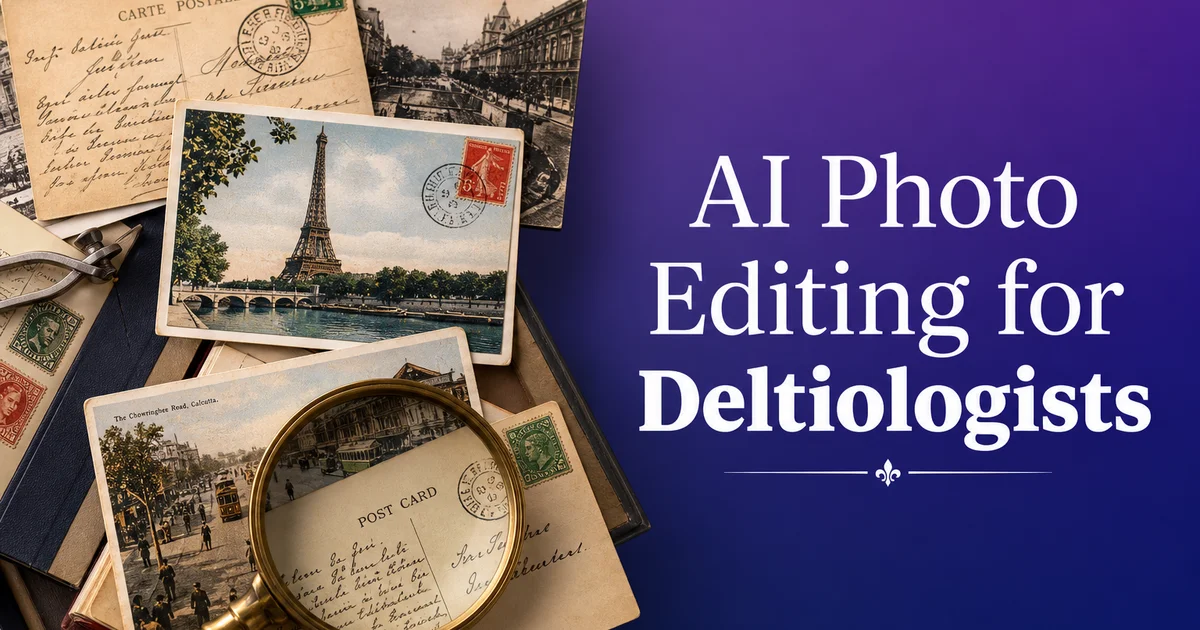
การศึกษาและสะสมโปสการ์ด (Deltiology) เป็นหนึ่งในงานอดิเรกการสะสมที่ใหญ่ที่สุดในโลก โดยมีผู้ชื่นชอบหลายล้านคนทั่วโลกที่สร้างคอลเลกชันตั้งแต่โปสการ์ดท่องเที่ยวของครอบครัวเพียงไม่กี่สิบใบ ไปจนถึงคลังเอกสารระดับพิพิธภัณฑ์ที่มีหลายหมื่นชิ้นครอบคลุมประวัติศาสตร์ไปรษณีย์กว่าหนึ่งศตวรรษ สำหรับนักสะสมโปสการ์ดทุกคน การถ่ายภาพคือสะพานเชื่อมระหว่างคอลเลกชันทางกายภาพกับชีวิตดิจิทัล ไม่ว่าจะเป็นการขายออนไลน์ผ่าน eBay และตัวแทนจำหน่ายเฉพาะทาง บันทึกแค็ตตาล็อก บันทึกประกันภัย ฐานข้อมูลวิจัยทางประวัติศาสตร์ รวมถึงชุมชนนักสะสมที่เติบโตขึ้นเรื่อย ๆ ซึ่งแบ่งปันและพูดคุยเกี่ยวกับสิ่งที่ค้นพบบนโซเชียลมีเดียและฟอรัมเฉพาะทาง
ความท้าทายของการถ่ายภาพโปสการ์ดมีลักษณะเฉพาะตัวในบรรดาของสะสม โปสการ์ดเป็นวัตถุแบนที่ทำจากกระดาษ มีภาพพิมพ์ที่มักซีดจางไปตามกาลเวลาหลายสิบปีหรือมากกว่า มีจุดสนิม (foxing) ขอบเหลือง มุมสึก คราบกาวจากอัลบั้ม และรอยหมึกจากโปสการ์ดใบข้างเคียงในที่เก็บ โปสการ์ดวินเทจหลายใบมีพื้นผิวเคลือบมันหรือพื้นผิวแบบผ้าลินินที่สะท้อนแสงจ้าภายใต้แสงตรง ด้านจดหมายอาจมีลายมือที่มีคุณค่าทางประวัติศาสตร์ ตราประทับไปรษณีย์ และแสตมป์ที่ต้องการการบันทึกอย่างระมัดระวังเช่นกัน ไม่มีของสะสมชนิดอื่นที่รวมความท้าทายในการถ่ายภาพงานศิลปะแบนราบเข้ากับความต้องการบันทึกสภาพได้ในลักษณะเดียวกัน
เครื่องมือแก้ไขภาพถ่ายด้วย AI ตอบโจทย์ปัญหาเฉพาะของการถ่ายภาพโปสการ์ดได้ดีกว่าการแก้ไขด้วยมือแบบดั้งเดิม อัลกอริทึมการกู้คืนสีสามารถวิเคราะห์เม็ดสีที่ซีดจางและประเมินความสดใสดั้งเดิมได้ การลบพื้นหลังแยกโปสการ์ดออกจากพื้นผิวสแกน เครื่องมือปรับปรุงภาพช่วยดึงรายละเอียดตัวอักษรขนาดเล็ก ความชัดเจนของตราประทับไปรษณีย์ และพื้นผิวที่กล้องโทรศัพท์มักทำให้แบนราบ สำหรับนักสะสมโปสการ์ดที่จัดการคอลเลกชันหลายร้อยหรือหลายพันใบ ประสิทธิภาพที่เพิ่มขึ้นเปลี่ยนการจัดทำแค็ตตาล็อกจากโครงการหลายเดือนเป็นกระบวนการทำงานที่จัดการได้อย่างต่อเนื่อง
- การกู้คืนสีฟื้นคืนความสดใสที่สูญเสียไปจากการถูกแสงและการซีดจางมาหลายสิบปี โดยเฉพาะในสีแดง สีเหลือง และงานพิมพ์โครโมลิโทกราฟวินเทจ
- การลบพื้นหลังสร้างภาพแค็ตตาล็อกที่สะอาดจากโปสการ์ดที่ถ่ายบนแท่นสแกน พื้นโต๊ะ และหน้าอัลบั้ม
- การปรับปรุงด้วย AI ดึงรายละเอียดตัวอักษรขนาดเล็ก ความชัดเจนของตราประทับไปรษณีย์ และพื้นผิวที่กล้องโทรศัพท์ทำให้แบนราบภายใต้แสงปกติ
- การแก้ไขมุมมองเปลี่ยนภาพถ่ายมุมเอียงให้เป็นมุมมองสี่เหลี่ยมที่ถูกต้องซึ่งจำเป็นสำหรับการนำเสนอแค็ตตาล็อกที่แม่นยำ
- การประมวลผลแบบกลุ่มช่วยให้การแปลงเป็นดิจิทัลของคอลเลกชันขนาดใหญ่มีประสิทธิภาพ — โปสการ์ดหลายร้อยใบได้รับการประมวลผลด้วยคุณภาพสม่ำเสมอภายในไม่กี่ชั่วโมงแทนที่จะเป็นหลายสัปดาห์
ทำไมการแปลงเป็นดิจิทัลจึงสำคัญสำหรับนักสะสมโปสการ์ด
คอลเลกชันโปสการ์ดทางกายภาพเผชิญกับความเสี่ยงในการเก็บรักษาอย่างต่อเนื่องซึ่งทำให้บันทึกดิจิทัลมีความสำคัญมากขึ้น กระดาษเสื่อมสภาพตามเวลาไม่ว่าจะเก็บรักษาในสภาพใดก็ตาม ปริมาณกรดในกระดาษโปสการ์ดต้นศตวรรษที่ 20 ทำให้เกิดการเหลืองและเปราะบาง การถูกแสงทำให้สีพิมพ์ซีดจาง ความชื้นส่งเสริมการเกิดจุดสนิมและเชื้อรา และการจับต้องทางกายภาพเพิ่มการสึกหรอที่ขอบและมุม บันทึกดิจิทัลที่สมบูรณ์ช่วยให้มั่นใจว่าเนื้อหาทางภาพและข้อมูลของโปสการ์ดแต่ละใบจะถูกเก็บรักษาไว้แม้ว่าวัตถุทางกายภาพจะเสื่อมสภาพต่อไป สำหรับโปสการ์ดที่หายากและมีค่า ภาพดิจิทัลคุณภาพสูงทำหน้าที่เป็นบันทึกประกันภัยและบันทึกสภาพที่ยืนยันที่มาและมูลค่า
นอกเหนือจากการเก็บรักษา ภาพดิจิทัลเป็นรากฐานของตลาดโปสการ์ดสมัยใหม่ การขายออนไลน์ผ่าน eBay, Delcampe, HipPostcard และเว็บไซต์ตัวแทนจำหน่ายเฉพาะทาง ได้เข้ามาแทนที่งานแสดงโปสการ์ดแบบพบหน้าในฐานะตลาดหลัก ผู้ซื้อไม่สามารถตรวจสอบโปสการ์ดจริงก่อนซื้อได้ พวกเขาพึ่งพาภาพถ่ายอย่างเต็มที่ในการประเมินสภาพ คุณภาพการพิมพ์ เนื้อหาภาพ และรายละเอียดการประทับตรา รายการที่มีภาพถ่ายคมชัด สีแม่นยำ และแสงดี จะขายได้เร็วกว่าและราคาสูงกว่าโปสการ์ดเดียวกันที่มีภาพคุณภาพต่ำเสมอ ภาพถ่ายนั้นทำหน้าที่เป็นหน้าร้านการขายนั่นเอง
สำหรับนักสะสมโปสการ์ดที่ทำงานวิจัยทางประวัติศาสตร์ ภาพดิจิทัลช่วยให้สามารถวิเคราะห์และแบ่งปันในแบบที่โปสการ์ดจริงทำไม่ได้ นักวิจัยที่ศึกษาประวัติศาสตร์สถาปัตยกรรมของเมืองหนึ่งสามารถรวบรวมภาพดิจิทัลของโปสการ์ดที่แสดงมุมถนนเดียวกันข้ามหลายทศวรรษ ซ้อนภาพเพื่อเปรียบเทียบ แบ่งปันกับเพื่อนร่วมงานทั่วโลกโดยไม่ต้องส่งต้นฉบับที่เปราะบาง นักวิจัยลำดับวงศ์ตระกูลใช้จดหมายบนโปสการ์ดสำหรับการวิจัยประวัติครอบครัว นักประวัติศาสตร์ไปรษณีย์ศึกษาตราประทับ แสตมป์เส้นทาง และอัตราค่าไปรษณีย์ ในทุกกรณี ภาพดิจิทัลคุณภาพสูงคือสื่อการวิจัย และคุณภาพของภาพเหล่านั้นส่งผลโดยตรงต่อคุณภาพของงานวิจัย
- บันทึกดิจิทัลเก็บรักษาเนื้อหาทางภาพและข้อมูลจากการเสื่อมสภาพทางกายภาพอย่างต่อเนื่องจากกระดาษที่มีกรด การถูกแสง และการจับต้อง
- ตลาดออนไลน์ได้เข้ามาแทนที่งานแสดงโปสการ์ดในฐานะช่องทางขายหลัก ทำให้คุณภาพภาพถ่ายเป็นปัจจัยสำคัญในการขาย
- นักวิจัยทางประวัติศาสตร์ใช้ภาพดิจิทัลโปสการ์ดสำหรับการเปรียบเทียบสถาปัตยกรรม การศึกษาลำดับวงศ์ตระกูล และการวิเคราะห์ประวัติศาสตร์ไปรษณีย์
- คลังภาพดิจิทัลความละเอียดสูงทำหน้าที่เป็นเอกสารประกันภัยที่ยืนยันสภาพ ที่มา และมูลค่า
การกู้คืนสีสำหรับโปสการ์ดวินเทจและโบราณ
โปสการ์ดวินเทจนำเสนอความท้าทายด้านการกู้คืนสีที่แตกต่างโดยพื้นฐานจากการปรับปรุงภาพถ่ายมาตรฐาน ภาพถ่ายครอบครัวที่ซีดจางจะสูญเสียสีอย่างสม่ำเสมอทั่วทั้งภาพ แต่โปสการ์ดที่ถูกแสดงในกรอบโดยได้รับแสงบางส่วนอาจซีดจางไม่สม่ำเสมอ พื้นที่ที่ถูกแสงสูญเสียความสดใสในขณะที่พื้นที่ที่ซ่อนอยู่หลังกรอบยังคงสีเดิม โปสการ์ดโครโมลิโทกราฟยุคแรกจากช่วงปี 1900 ถึง 1920 ใช้หมึกที่มีแร่ธาตุเป็นฐานซึ่งซีดจางตามเส้นโค้งที่แตกต่างจากหมึกเคมีที่ใช้ในโปสการ์ดโฟโตโครมยุคกลางศตวรรษ AI ต้องจัดการรูปแบบการซีดจางที่หลากหลายเหล่านี้อย่างชาญฉลาด แทนที่จะเพิ่มความอิ่มตัวแบบเดียวกันทั้งหมด
AI Enhance แก้ปัญหานี้โดยการวิเคราะห์ความสัมพันธ์ของสีที่มีอยู่ในภาพและอนุมานว่าสีพิมพ์ดั้งเดิมน่าจะเป็นอย่างไร หากโปสการ์ดแสดงท้องฟ้าที่ซีดจากสีฟ้าเป็นสีเทาอ่อนในขณะที่ขอบสีแดงที่พิมพ์ยังคงความเข้มข้นดั้งเดิมไว้เป็นส่วนใหญ่ AI จะรับรู้การซีดจางที่แตกต่างกันและปรับช่องสีฟ้าอย่างเข้มข้นมากกว่าสีแดง การกู้คืนแบบเลือกเฉพาะจุดนี้มีคุณค่าเป็นพิเศษสำหรับโปสการ์ดยุคผ้าลินินจากช่วงปี 1930 ถึง 1950 ที่ใช้กระบวนการพิมพ์เฉพาะที่ผสมผสานภาพถ่ายกับพื้นผิวผ้าลินินและสีที่สดใส บางครั้งเกินจริง ซึ่งเป็นเอกลักษณ์ของยุคนั้น
สำหรับโปสการ์ดที่ซีดจางหรือเปลี่ยนสีอย่างรุนแรง การกู้คืนแบบค่อยเป็นค่อยไปให้ผลลัพธ์ที่ดีกว่าการปรับปรุงอย่างเข้มข้นในครั้งเดียว เริ่มด้วยการแก้สีเบา ๆ ที่ทำให้โทนสีอุ่นโดยรวมจากการเหลืองของกระดาษเป็นกลาง จากนั้นเพิ่มความอิ่มตัวปานกลางเพื่อเริ่มฟื้นคืนความสดใส สุดท้าย ใช้การปรับสีเฉพาะจุดเพื่อแก้ไขเฉดสีที่ยังอ่อนอยู่ ซึ่งมักเป็นสีแดงและสีเหลืองที่ซีดจางเร็วที่สุดในกระบวนการพิมพ์ส่วนใหญ่ วิธีการสามขั้นตอนนี้หลีกเลี่ยงภาพที่ดูผ่านการประมวลผลมากเกินไปและสดใสอย่างไม่เป็นธรรมชาติ
- โปสการ์ดวินเทจแสดงการซีดจางไม่สม่ำเสมอจากการถูกแสงบางส่วน จึงต้องการการกู้คืนสีแบบเลือกเฉพาะจุดแทนที่จะเป็นแบบสม่ำเสมอ
- AI วิเคราะห์ความสัมพันธ์ของสีที่มีอยู่เพื่ออนุมานสีพิมพ์ดั้งเดิมและปรับแต่ละช่องสีอย่างอิสระตามรูปแบบการซีดจาง
- โปสการ์ดยุคผ้าลินินจากช่วงปี 1930-1950 ได้รับประโยชน์เป็นพิเศษจากการกู้คืนด้วย AI ที่ฟื้นคืนจานสีที่สดใสและเกินจริงอันเป็นเอกลักษณ์
- การกู้คืนแบบค่อยเป็นค่อยไปสามขั้นตอน — ทำให้การเหลืองเป็นกลาง เพิ่มความอิ่มตัว ปรับเฉดสีเฉพาะจุด — หลีกเลี่ยงภาพที่ดูผ่านการประมวลผลมากเกินไป
การบันทึกสภาพเพื่อการขายและประกันภัย
ในวงการสะสมโปสการ์ด สภาพคือทุกสิ่ง ความแตกต่างระหว่างโปสการ์ดที่จัดระดับเป็นดีเยี่ยมกับดีอาจหมายถึงความแตกต่างของราคา 50-80% ความแตกต่างระหว่างดีกับพอใช้อาจมากกว่านั้นสำหรับโปสการ์ดที่หายาก ผู้ซื้อพึ่งพาภาพถ่ายในการประเมินสภาพ ความไม่ตรงกันระหว่างสภาพที่ถ่ายกับโปสการ์ดที่ได้รับจริงส่งผลให้เกิดการคืนสินค้า ความคิดเห็นเชิงลบ และการสูญเสียความเชื่อมั่น สิ่งนี้สร้างความตึงเครียดในการแก้ไขภาพ คุณต้องการภาพที่ชัดเจน แสงดี และสีแม่นยำ แต่ต้องไม่บดบังหรือลดความสำคัญของปัญหาสภาพที่ผู้ซื้อจะถือว่ามีนัยสำคัญต่อการตัดสินใจซื้อ
การปรับปรุงด้วย AI จัดการความตึงเครียดนี้ได้ดีเพราะปรับปรุงความชัดเจนและความแม่นยำของสีโดยไม่ซ่อนข้อบกพร่องทางกายภาพ ไม่ว่าจะเป็นมุมโค้ง การสึกหรอที่ขอบ รอยพับ รอยขีดข่วนบนพื้นผิว คราบกาวจากอัลบั้ม จุดสนิมทั้งหมดจะมองเห็นได้ชัดขึ้นในภาพที่ปรับปรุงแล้ว ไม่ใช่น้อยลง เมื่อ AI Enhance เพิ่มความคมชัดและเพิ่มคอนทราสต์ จะทำให้รอยพับเห็นชัดขึ้นเพราะเงาตามแนวรอยพับมีความชัดเจนมากขึ้น ทำให้จุดสนิมเห็นชัดขึ้นเพราะคอนทราสต์ระหว่างจุดเปลี่ยนสีกับกระดาษรอบข้างเพิ่มขึ้น การบันทึกสภาพอย่างซื่อสัตย์เป็นผลพลอยได้จากการปรับปรุงที่ดี
สำหรับโปสการ์ดที่มีค่าซึ่งกำลังบันทึกเพื่อวัตถุประสงค์ด้านประกันภัยหรือการรับรองความถูกต้อง ให้ถ่ายภาพภายใต้แสงที่ควบคุมพร้อมแผ่นอ้างอิงสี (เช่น X-Rite ColorChecker) ที่เห็นในเฟรม ซึ่งให้การอ้างอิงสีที่เป็นกลางช่วยให้ผู้ชมในอนาคตประเมินได้ว่าภาพดิจิทัลแสดงสีของโปสการ์ดจริงได้แม่นยำหรือไม่ ครอปแผ่นอ้างอิงสีออกสำหรับภาพลงขาย แต่เก็บต้นฉบับที่ไม่ได้ครอปไว้ในคลัง รวมภาพระยะใกล้ของปัญหาสภาพหลัก ๆ — ความเสียหายที่มุม เครื่องหมายไปรษณีย์ รอยถลอกบนพื้นผิว — ที่กำลังขยายสูง การผสมผสานภาพรวมทั้งใบและภาพรายละเอียดระยะใกล้สร้างบันทึกที่สมบูรณ์
- การจัดระดับสภาพจากดีเยี่ยมถึงพอใช้อาจหมายถึงความแตกต่างของราคา 50-80% ทำให้การบันทึกภาพถ่ายที่แม่นยำเป็นสิ่งจำเป็นสำหรับการขาย
- การปรับปรุงด้วย AI เพิ่มความชัดเจนโดยไม่ซ่อนข้อบกพร่อง — รอยพับ จุดสนิม และการสึกหรอจะมองเห็นได้ชัดขึ้นด้วยคอนทราสต์และความคมชัดที่ดีขึ้น
- รวมแผ่นอ้างอิงสีในภาพถ่ายเพื่อเก็บเอกสารเพื่อให้การตรวจสอบความแม่นยำของสีที่เป็นกลางสำหรับผู้ชมในอนาคต
- ผสมผสานภาพรวมทั้งใบกับภาพระยะใกล้ของปัญหาสภาพเพื่อบันทึกประกันภัยและการรับรองความถูกต้องที่ครอบคลุม
กระบวนการทำงานแบบกลุ่มสำหรับการแปลงคอลเลกชันขนาดใหญ่เป็นดิจิทัล
นักสะสมโปสการ์ดที่มีคอลเลกชันหลายร้อยหรือหลายพันใบต้องการกระบวนการทำงานที่เป็นระบบเพื่อรักษาคุณภาพที่สม่ำเสมอทั่วทั้งแค็ตตาล็อก วิธีที่มีประสิทธิภาพที่สุดคือเซสชันถ่ายภาพเฉพาะทางที่คุณถ่ายโปสการ์ดเป็นชุดตามลำดับโดยใช้การตั้งค่าแสง ตำแหน่งกล้อง และพื้นหลังเดียวกัน วางโปสการ์ดในตำแหน่งที่สม่ำเสมอบนพื้นผิวถ่ายภาพ แนวเดียวกัน จัดกึ่งกลางเหมือนกัน เพื่อให้ภาพที่ได้ต้องการการปรับแต่งเฉพาะตัวน้อยที่สุด ถ่ายภาพทั้งสองด้านของโปสการ์ดแต่ละใบตามลำดับก่อนย้ายไปใบถัดไปเพื่อหลีกเลี่ยงการจับคู่ผิดระหว่างภาพด้านหน้าและด้านหลัง
หลังจากเซสชันถ่ายภาพ ประมวลผลทั้งชุดผ่านการแก้ไขด้วย AI ในรอบเดียว ใช้การลบพื้นหลังกับทั้งชุด จากนั้นเรียกใช้การปรับปรุงสีทั่วทั้งภาพโดยใช้พารามิเตอร์เดียวกัน วิธีการแบบกลุ่มนี้รับประกันความสม่ำเสมอทางภาพทั่วทั้งแค็ตตาล็อก โปสการ์ดทุกใบปรากฏบนพื้นหลังสะอาดเดียวกันด้วยการปรับสีเดียวกันและระดับการปรับปรุงรายละเอียดเดียวกัน โปสการ์ดแต่ละใบที่ต้องการความใส่ใจเป็นพิเศษ เช่น ตัวอย่างที่ซีดจางมากหรือโปสการ์ดที่มีพื้นผิวผิดปกติ สามารถแยกออกจากชุดเพื่อการปรับแต่งเฉพาะทางหลังจากรอบการประมวลผลเริ่มต้น
การตั้งชื่อไฟล์และการจัดระเบียบสมควรได้รับความใส่ใจอย่างเป็นระบบเช่นเดียวกับการถ่ายภาพและการแก้ไข ใช้หลักการตั้งชื่อที่สม่ำเสมอซึ่งเข้ารหัสข้อมูลที่คุณต้องการสำหรับการจัดการแค็ตตาล็อก ยุคของโปสการ์ด สำนักพิมพ์ หมวดหมู่เรื่อง ที่ตั้งทางภูมิศาสตร์ หรือระบบการจำแนกประเภทใดก็ตามที่คอลเลกชันของคุณใช้ เก็บต้นฉบับและเวอร์ชันที่แก้ไขแล้วในโครงสร้างไดเรกทอรีแยกกันเพื่อให้คุณมีภาพอ้างอิงที่ไม่ได้แก้ไขเสมอ ฝังเมตาดาต้า — วันที่ถ่ายภาพ ระดับสภาพ หมายเลขแค็ตตาล็อก — ในไฟล์ภาพโดยใช้ฟิลด์ EXIF หรือ IPTC เพื่อให้ข้อมูลเดินทางไปกับภาพไม่ว่าจะอัปโหลดหรือแชร์ที่ไหน
- เซสชันถ่ายภาพเฉพาะทางที่มีแสง ตำแหน่ง และพื้นหลังสม่ำเสมอช่วยให้การประมวลผลแบบกลุ่มมีประสิทธิภาพสำหรับคอลเลกชันขนาดใหญ่
- การประมวลผลด้วย AI แบบกลุ่มรับประกันความสม่ำเสมอทางภาพทั่วทั้งแค็ตตาล็อกด้วยการลบพื้นหลัง การปรับสี และการปรับปรุงที่เหมือนกัน
- หลักการตั้งชื่อไฟล์อย่างเป็นระบบที่เข้ารหัสยุค สำนักพิมพ์ เรื่อง และที่ตั้ง ช่วยให้การจัดการและค้นหาแค็ตตาล็อกคล่องตัว
- ฝังเมตาดาต้าในฟิลด์ EXIF/IPTC เพื่อให้ระดับสภาพ หมายเลขแค็ตตาล็อก และวันที่บันทึกเดินทางไปกับไฟล์ภาพแต่ละไฟล์
How to do it
- 1
Photograph postcards with even lighting and minimal glare
Set up a flat surface with diffused overhead lighting or use two angled lights to eliminate shadows and glare on the postcard surface. Photograph each card from directly above, keeping the camera parallel to the surface to avoid perspective distortion. Capture both the picture side and the correspondence side if documenting the full artifact. Use a neutral gray or white background mat that does not compete with the postcard imagery.
- 2
Remove background clutter and scanning artifacts
Use Background Eraser to isolate the postcard from whatever surface it was photographed on. Scanner beds, desk surfaces, album pages, or display sleeves. Clean edges give catalog-quality results where the postcard appears as a standalone artifact rather than a snapshot of a card sitting on a table. Magic Eraser removes any dust spots, fingerprints on sleeves, or scanner lid artifacts that appear in the digital capture.
- 3
Enhance faded colors and restore print detail
Use AI Enhance to recover color vibrancy lost to decades of light exposure, handling, and storage. Vintage postcards from the early 1900s through mid-century often show major color fading, mainly in reds and yellows which are most susceptible to light damage. The AI analyzes the existing color information and restores saturation levels that approximate the card's original printed look without over-processing into unnatural vividness.
- 4
Correct perspective distortion and straighten edges
Postcards photographed at slight angles show perspective distortion. The far edge appears narrower than the near edge, and rectangular cards look trapezoidal. AI perspective correction identifies the card's edges and transforms the image to a true rectangular view. This correction is key for catalog photography and online listings where buyers expect to see the card's actual proportions and design layout without geometric distortion.
- 5
Export catalog-ready images for listings and digital archives
Save enhanced postcard images at high resolution in PNG format for archival purposes and in optimized JPEG for online marketplace listings. Maintain consistent dimensions across your catalog. Standard postcard proportions of about 3.5 by 5.5 inches at 300 DPI for print catalogs, or 1200 pixels on the long edge for web listings. Consistent sizing, color treatment, and background create a expert catalog look whether you are selling on eBay, displaying on a collector website, or contributing to a historical database.
แหล่งข้อมูล
- Deltiology: The Study and Collection of Postcards — Metropolitan Postcard Club of New York
- Best Practices for Digitizing Ephemera Collections — American Library Association
- Digital Preservation of Historical Paper Artifacts — Library of Congress