
Oologlar için AI Fotoğraf Düzenleme: Yumurta Örneklerini Hassas Belgeleyin — Magic Eraser
Oologlar ve ornitoloji araştırmacıları için uzman yumurta örneği fotoğrafçılığı düzenleme. Kabuk pigmentasyon analizi, desen kayıtları, yüzey dokusu yakalama ve standartlaştırılmış koleksiyon kataloğu görüntüleri için AI araçları.

SEO & Growth
İnceleyen Magic Eraser Editorial ·
İçindekiler
- Bilimsel yumurta fotoğrafçılığı: aydınlatma, renk kalibrasyonu ve örnek konumlandırma
- Araştırma belgeleri için kabuk desen analizi ve pigmentasyon geliştirme
- Koleksiyon dijitalleştirme ve çapraz koleksiyon karşılaştırmalı veritabanları
- Saha fotoğrafçılığı, kuluçka parazitizmi araştırması ve eğitim erişimi
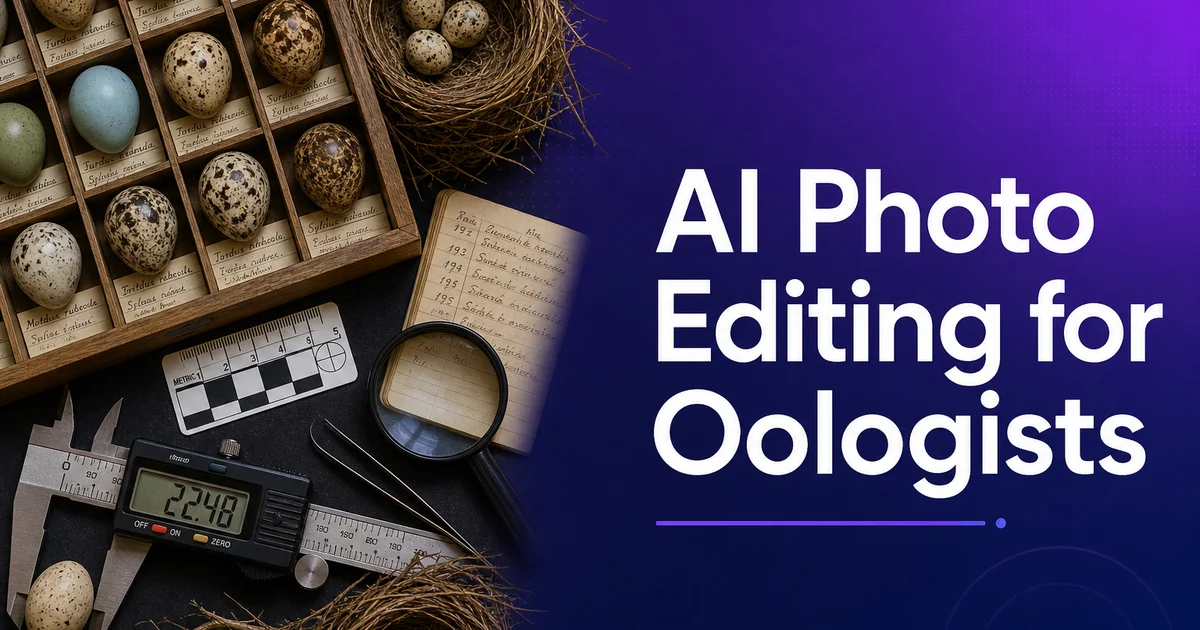
Ooloji — kuş yumurtalarının bilimsel incelemesi — on dokuzuncu yüzyıldan beri ornitoloji araştırmalarının temel taşı olmuştur. Yumurta örneklerinin fotografik kayıtları, tür tanımlaması, kuluçka analizi, pigmentasyon araştırması ve yeri doldurulamaz tarihsel materyali barındıran müze koleksiyonlarının dijitalleştirilmesi için hâlâ kilit öneme sahiptir. Dünyanın önde gelen doğa tarihi müzeleri toplu olarak milyonlarca yumurta örneği barındırır; bunların çoğu yumurta toplamanın hem yasal hem de bilimsel olarak teşvik edildiği dönemlerde toplanmıştır. Bu koleksiyonlar artık pestisit kirliliğinden kaynaklanan kabuk incelmesinden kuluçka parazitliğinin evrimsel ekolojisine kadar uzanan konularda araştırmalar için birincil veri kaynakları olarak hizmet vermektedir. Bu koleksiyonlarla çalışan oologlar için fotoğrafçılık, uzaktan inceleme, karşılaştırmalı analiz olanağı sağlayan dijital kayıtlar oluşturmanın başlıca aracıdır. Kırılgan örnekleri tekrarlayan fiziksel temasa maruz bırakmadan yayın yapmak.
Yumurta örneği fotoğrafçılığının teknik gereksinimleri katıdır ve bu ortama özgüdür. Yumurta kabukları olağanüstü bir renk, desen, doku yelpazesi sergiler. Fotoğrafların güvenilir bilimsel veri olarak hizmet vermesi için hepsi doğru biçimde yakalanması gereken yapısal optik özellikler. Bir yumurtanın zemin rengi saf beyazdan krem, açık kahve, zeytuni, mavi, yeşil ve kahverenginin her tonuna kadar değişebilir. Kameraların otomatik beyaz dengesi sistemlerinin rutin olarak bozduğu ince renk farkları. Pigmentasyon desenleri benekler, lekeler, çizgiler, karalamalar, taçlar ve değişken yoğunluklu bölgeler içerir; her biri taksonomik ve bireysel tanımlama bilgisi taşır. Yüzey dokuları ayna gibi pürüzsüzden derin çukurluya, tebeşirimsi mattan yüksek parlaklığa kadar değişir ve bazı türler yapısal renklenmeli yumurtalar üretir. Kimyasal pigmentasyondan bağımsız olarak yanardöner veya metalik optik etkiler yaratan mikroskobik yüzey mimarisi.
Yapay zekâ fotoğraf düzenleme araçları, koleksiyonlar arası tutarlı karşılaştırmayı mümkün kılan arka plan standardizasyonundan standart fotoğraflarda görünmeyen pigmentasyon ayrıntılarını geri kazandıran iyileştirmeye kadar ooloji fotoğrafçılığının tüm zorluk yelpazesini ele alır. Background Eraser koleksiyon çekmecelerinin, pamuk altlıkların görsel karmaşasını giderir. Yumurtaları veritabanı entegrasyonu için standartlaştırılmış arka planlarda yalıtmak amacıyla örnek etiketlerini kaldırır. AI Enhance pigment birikim desenlerinin, yüzey dokusunun ince ayrıntısını ortaya çıkarır. Telefon kameralarının ve hatta özel makro düzeneklerin düzleştirme eğiliminde olduğu yapısal renklenmeyi. Magic Eraser koleksiyon kalıntılarını temizler — üfleme delikleri, mürekkep izleri, yapışkan kalıntıları. Elleme hasarı — analiz amaçları için özgün kabuk desenlerini ortaya çıkarmak üzere. Bu kılavuz, ooloji araştırmasının talep ettiği hassasiyet standartlarına göre kalibre edilmiş tekniklerle bilimsel yumurta örneği fotoğrafçılığı ve düzenlemesinin tam iş akışını kapsar.
- Background Eraser yumurta örneklerini koleksiyon çekmecelerinden, pamuk altlıklardan yalıtır. Saha arka planlarından, koleksiyonlar arası tutarlı veritabanı karşılaştırması için standartlaştırılmış nötr arka planlar sağlar.
- AI Enhance kabuk pigmentasyonunun mikro ayrıntılarını — protoporfirin beneklenmesini, biliverdin zemin rengini, karalama desenlerini ve yapısal yanardönerliği — kamera sensörlerinin sıkıştırıp düzleştirdiği biçimde geri kazandırır.
- Kalibre edilmiş renk referanslarıyla standartlaştırılmış fotoğraf protokolleri, kabuk rengi okumalarının müze, saha istasyonu ve açık hava çekim koşulları boyunca bilimsel olarak doğru kalmasını sağlar.
- Magic Eraser üfleme delikleri, kayıt mürekkebi izleri, yapışkan kalıntıları ve hazırlama lekeleri dâhil koleksiyon kalıntılarını kaldırırken altta yatan pigmentasyon desenlerini analiz için korur.
- Toplu dışa aktarma, tek bir düzenlenmiş ana dosyadan gömülü renk profilleriyle araştırma veritabanları, saha rehberi çizimleri, müze katalogları ve çevrimiçi koleksiyonlar için türevler oluşturur.
Bilimsel yumurta fotoğrafçılığı: aydınlatma, renk kalibrasyonu ve örnek konumlandırma
Ooloji fotoğrafçılığının birincil hedefi doğru renk üretimidir. Her karede kontrollü aydınlatma ve kalibre edilmiş renk referans standartları gerektirir. Kabuk renkleri iki ana pigment tarafından üretilir. Soluk açık kahveden koyu çikolataya kadar kırmızı-kahve spektrumunu yaratan protoporfirin ve soluk akuamarinden koyu deniz mavisine kadar mavi ile yeşilleri üreten biliverdin — ve bu pigmentler kabuğun kalsiyum karbonat yapısıyla etkileşerek görünür renklerin tüm yelpazesini üretir. Kamera sensörleri bu pigment renklerini ışık kaynağı spektrumuna, beyaz dengesi ayarına göre farklı yorumlar. Pozlama düzeyine göre, ki bu da standartlaştırılmış aydınlatmayı kilit hâle getirir. Önerilen düzenek, örnek yüzeyine 45 derece açıyla yerleştirilmiş iki yayık gün ışığı dengeli (5500K) lamba kullanır; yüzey ayrıntısını gizleyen sert gölgeler veya speküler parlamalar olmadan eşit aydınlatma yaratır.
Kalibre edilmiş bir renk referans kartı — X-Rite ColorChecker veya benzer standartlaştırılmış bir hedef — her örnek fotoğrafının karesinde görünmelidir. Bu referans, aydınlatma koşullarındaki herhangi bir kaymayı, kamera sensörü değişkenliğini veya yakındaki yüzeylerden gelen çevresel renk kirliliğini telafi eden son işlem renk düzeltmesini mümkün kılar. Koleksiyon depolama odalarında, örnek dolaplarının sıcak tonlu ahşabı ile çekmecelerdeki renkli etiketler örneğe ulaşan ışığı, kaydedilen kabuk tonlarını kaydıran yansıyan renkle kirletir. Yapay zekâ işleme, kaydedilen renkleri gerçek değerlerine döndüren hassas düzeltmeler uygulamak için renk referans kartını kullanabilir; böylece Londra'daki bir müzeden gelen protoporfirin benekli bir yumurtanın, Washington'daki bir koleksiyondan aynı türle renk tutarsızlığının sahte bir değişkenlik katmasına izin vermeden doğru biçimde karşılaştırılabilmesini sağlar.
Ooloji fotoğrafçılığı için örnek konumlandırma, koleksiyonlar arası morfolojik karşılaştırmayı mümkün kılmak amacıyla önde gelen doğa tarihi müzelerinin belirlediği geleneklere uyar. Standart yan görünüm, yumurtayı küt kutbu solda ve sivri kutbu sağda olacak şekilde yan yatırır; alt profili gizlemeyen bir kum tepsisinde, plastilin halkasında veya köpük beşikte durur. Bu yönelim uzunluk, maksimum genişlik ölçümünü mümkün kılar. Uzun eksen boyunca maksimum genişliğin konumu — hepsi standart oomorfolojik parametreler. Küt uçtan tam tepeden alınan ikinci bir kutup görünümü uç profilini belgeler ve kutuplarda yoğunlaşan herhangi bir pigmentasyon desenini yakalar. Belirli desen alanlarının, gözenek alanlarının ve yüzey dokusunun yakın çekim makro fotoğrafları her örneğin kayıt setini tamamlar.
- 45 derecede iki yayık gün ışığı dengeli lamba, speküler parlamalar veya gölge engellemesi olmadan hem protoporfirin hem de biliverdin pigment renklerini ortaya çıkaran eşit aydınlatma yaratır.
- Her karedeki kalibre edilmiş renk referans kartları, çekim seansları boyunca çevresel kirliliği, sensör kaymasını ve aydınlatma değişkenliğini telafi eden yapay zekâ renk düzeltmesini mümkün kılar.
- Küt kutup solda olacak şekilde standart yan konumlandırma, müze geleneklerine göre koleksiyonlar arası karşılaştırma için uzunluk, genişlik ve genişlik konumunun oomorfolojik ölçümünü mümkün kılar.
- Pigmentasyon bölgelerinin, gözenek alanlarının ve yüzey dokusunun yakın çekim makro fotoğrafları, desen analizi ve tür tanımlama araştırması için gereken ince ayrıntı belgelemesini sağlar.
Araştırma belgeleri için kabuk desen analizi ve pigmentasyon geliştirme
Yumurta kabuğu pigmentasyon desenleri tür düzeyinde taksonomik bilgi, bireysel beneklenme imzaları içerir. Ornitoloji araştırmasının birçok etkin alanı için ilgili veriler, ki bu da onların doğru fotografik yakalanmasını ve iyileştirilmesini yapay zekâ araçları için yüksek öncelikli bir uygulama hâline getirir. Örneğin büyük baştankaranın benekli yumurta deseni, birer birer, yumurtlayan dişiyi birden çok kuluçka boyunca tanımlayacak kadar ayırt edicidir. Kabuk desenlerinin fotografik analiziyle mümkün olmuş bir keşif. Kirazkuşlarının ve sarı kirazkuşunun karalama desenleri kuluçka içindeki yumurtlama sırası hakkında bilgi kodlar; daha sonra bırakılan yumurtalar, dişinin pigment kaynağı azaldıkça çoğu zaman azalmış pigmentasyon gösterir. Bu desenlerin tam ayrıntısını sıkıştırılmış kamera verisinden geri kazandıran yapay zekâ iyileştirmesi, bu araştırmayı destekleyen nicel analizi mümkün kılar.
Belirli iyileştirme ihtiyaçları desen türüne ve araştırma uygulamasına göre değişir. Benekli desenler — ince noktalardan büyük lekelere kadar ayrık pigment birikimleri — her bireysel beneğin sınırlarını korurken birikim içindeki pigment yoğunluğu değişkenliğini gösteren iç renk gradyanını geri kazandıran iyileştirme gerektirir. Karalama ve çizgi desenleri, kalem darbesine benzer pigment yollarını geometrik analiz için izlenebilir kılan kenar keskinleştirme gerektirir. Zemin rengi iyileştirmesi ince bölgesel değişkenliği geri kazandırmalıdır. Küt kutupta biraz daha sıcak ton, daha soluk ekvatoral kuşak, sivri uçta renk yoğunlaşması — yumurta kanalında kabuk oluşumu sırasında pigment birikim zamanlaması hakkında veri sağlayan. AI Enhance bu desen türlerinin her birini yerel özellikleri analiz ederek ve belirli analitik amaca hizmet eden hedefli iyileştirme uygulayarak ele alır.
Yumurta kabuklarındaki yapısal renklenme, optik etkiler açıya bağlı olduğundan ve tek bir fotoğrafta görünmeyebileceğinden özel bir iyileştirme zorluğu sunar. Zarif tepeli tinamu yumurtalarındaki yanardöner parlaklık, gezgin doğan yumurtalarındaki mumsu tabaka. Bazı guguk yumurtalarının metalik parıltısı kimyasal pigmentler yerine mikroskobik yüzey mimarisi tarafından üretilir ve görünümleri aydınlatmaya ve bakış açısına göre değişir. Yapay zekâ iyileştirmesi, altta yatan kimyasal pigmentasyonun doğru üretimini korurken yapısal renk katmanının kontrastını seçici olarak artırarak bu yapısal etkilerin tek karedeki görünürlüğünü en üst düzeye çıkarabilir. Sonuç, hem açıya bağlı yapısal güzelliği hem de tür-tanılayıcı kimyasal deseni tek bir iyileştirilmiş görüntüde yakalar.
- Bireysel desen imzaları yumurtlayan dişinin kuluçkalar boyunca tanımlanmasını mümkün kılar; benek sınırlarını ve iç pigment yoğunluğu gradyanlarını koruyan iyileştirme gerektirir.
- Karalama desenlerinin kenar keskinleştirmesi, kalem darbesi pigment yollarını yumurtlama sırasının ve yumurta kanalı pigment birikiminin geometrik analizi için izlenebilir kılar.
- Zemin renginin bölgesel değişkenliği — kutupsal ısınma, ekvatoral kuşaklanma, sivri uç yoğunlaşması — iyileştirme ince gradyanları ortaya çıkardığında pigment birikim zamanlaması verisi sağlar.
- Yapısal renklenme iyileştirmesi, birleşik optik ve taksonomik belgeleme için altta yatan kimyasal pigmentasyonu korurken yanardöner ve mumsu tabaka etkilerini güçlendirir.
Koleksiyon dijitalleştirme ve çapraz koleksiyon karşılaştırmalı veritabanları
Dünya çapındaki doğa tarihi müzelerinin barındırdığı yumurta koleksiyonlarının dijitalleştirilmesi, büyük bilimsel öneme sahip süregelen bir projedir. Yapay zekâ fotoğraf düzenleme araçları, elde edilen dijital kayıtların tutarlılığını ve kullanılabilirliğini artırırken bu işi büyük ölçüde hızlandırır. Büyük koleksiyonlar — Tring'deki Natural History Museum bir milyondan fazla yumurta, Western Foundation of Vertebrate Zoology yaklaşık bir milyon barındırır. Smithsonian koleksiyonu yüz binleri aşar — bir yüzyıldan uzun süre boyunca geniş ölçüde değişen kayıt standartları altında toplanmıştır. Bu koleksiyonların dijitalleştirilmesi, titiz Victoria dönemi bilimsel protokollerinden özensiz el yazısı notlara kadar uzanan yöntemlerle hazırlanmış ve kataloglanmış olabilecek örneklerin fotoğraflanmasını gerektirir. Elde edilen fotoğraflar, veritabanı entegrasyonu için tutarlı bir modern standarda işlenmelidir.
Arka plan standardizasyonu, kullanılabilir karşılaştırmalı veritabanlarının temelidir. Farklı koleksiyonlardan yumurtalar farklı arka planlarda fotoğraflandığında. Bir müzede soluk mavi çekmece astarı, başka birinde beyaz pamuk, üçüncüsünde gri köpük — arka plan rengi algılanan kabuk rengini kirletir ve görsel karşılaştırmayı güvenilmez kılar. Background Eraser bu değişken arka planları kaldırır ve onları standartlaştırılmış nötr bir referansla değiştirir; böylece veritabanı kullanıcılarının herhangi bir koleksiyondan örnekleri, görünen renk farklarının fotografik kalıntılar yerine gerçek biyolojik değişkenliği yansıttığına güvenerek karşılaştırmasını sağlar. Günde binlerce örnek fotoğraflayan büyük ölçekli dijitalleştirme projeleri için yapay zekâ arka plan işleme, tüm çıktı boyunca mutlak tutarlılık sağlar. Manuel arka plan düzenlemenin, operatöre bağlı değişkenlik katmadan ölçekte başaramayacağı bir şey.
Standartlaştırılmış dijital kayıtların mümkün kıldığı koleksiyonlar arası karşılaştırma, fiziksel örneklerle lojistik olarak imkânsız olacak araştırma programlarını destekler. Bir türün yayılım alanı boyunca kabuk pigmentasyonunun coğrafi değişkenliğini inceleyen bir araştırmacı artık çevrimiçi veritabanları aracılığıyla dünya çapında onlarca koleksiyondan kalibre edilmiş görüntülere erişebilir, farklı yüzyıllarda ve kıtalarda toplanan örnekleri karşılaştırabilir. Bu koleksiyonlar boyunca tekdüze uygulanan yapay zekâ iyileştirmesi, karşılaştırmalı verilerin modern yüksek çözünürlüklü görüntüler ile tarihsel olarak önemli örneklerin ilk dijital yakalaması olabilecek eski miras fotoğraflar arasındaki fotografik kalite değişkenliğiyle karıştırılmamasını sağlar. Magic Eraser'ın koleksiyona özgü kalıntıları kaldırma yeteneği. Farklı müze geleneklerini niteleyen çeşitli üfleme deliği, mürekkep izi ve etiket yapışkan kalıntısı tarzları — görsel verileri tarafsız karşılaştırma için daha da standartlaştırır.
- Background Eraser, güvenilir görsel karşılaştırma için farklı müze çekmece astarlarında, pamukta ve köpük yüzeylerde fotoğraflanan koleksiyonlar boyunca örnek yalıtımını standartlaştırır.
- Bir milyon örneklik koleksiyonların büyük ölçekli dijitalleştirilmesi, manuel düzenlemenin hacimde başaramayacağı mutlak arka plan ve renk tutarlılığını korumak için yapay zekâ toplu işleme gerektirir.
- Koleksiyonlar arası karşılaştırmalı veritabanları, kalibre edilmiş ve standartlaştırılmış görüntülerle farklı yüzyıllardan ve kıtalardan örnekler boyunca coğrafi pigmentasyon çalışmalarını mümkün kılar.
- Magic Eraser koleksiyona özgü hazırlama kalıntılarını kaldırır. Bölgesel üfleme deliği tarzları, kurumsal mürekkep izleri, tarihsel yapışkan kalıntıları — karşılaştırmalı analize sistematik yanlılık katan.
Saha fotoğrafçılığı, kuluçka parazitizmi araştırması ve eğitim erişimi
Etkin yuvalardaki yumurtaların saha fotoğrafçılığı, kontrollü müze örneği çalışmasından tamamen farklı zorluklar sunar. Yapay zekâ düzenleme, saha koşulları ile laboratuvar standartları arasındaki kalite uçurumunu kapatır. Yuva fotoğrafları çoğu zaman üreyen kuşların rahatsız edilmesini en aza indirmek için hızla, sıklıkla orman örtüsü altında veya kovuk yuva kutularında kötü aydınlatma koşullarında çekilir. Kamera açısı ve örnek yönelimi üzerinde sınırlı kontrolle. Elde edilen görüntüler bir kuluçkanın tek fotografik kaydı olabilir. Çoğunlukla üreme başarısını izleyen takip programları için — ve yapay zekâ iyileştirmesi az pozlanmış, kötü odaklanmış veya rengi kaymış saha fotoğraflarından kritik ayrıntıları geri kazandırabilir. Yuva fotoğraflarındaki arka plan bağlamı da bilimsel olarak değerlidir, bu nedenle yuva arka planlarını tamamen kaldırmak yerine yapay zekâ işleme, yuva yapısını, astar malzemesini korurken yumurta ayrıntısını güçlendirebilir. Saha araştırmacılarının belgelediği yaşam alanı bağlamı.
Kuluçka parazitliği araştırması, fotografik analizin özellikle önemli olduğu bir ooloji alanıdır; çünkü guguk gibi parazit türlerin konak türlerinin yumurtalarını taklit etme yeteneği merkezî bir evrimsel bilmecedir. Yumurta taklidi derecesi — bir guguk yumurtasının zemin renginde, benek deseninde konak kuluçkasıyla ne kadar yakından eşleştiği. Boyutta — konağın parazit yumurtayı kabul edip etmemesini doğrudan etkiler ve bu eşleşme öncelikle fotografik karşılaştırmayla değerlendirilir. Taklit eden bir parazit yumurta ile içinde durduğu konak yumurtalar arasındaki ince farkları ortaya çıkaran yapay zekâ iyileştirmesi, taklit kalitesinin daha doğru nicelleştirilmesini mümkün kılar. Parazit ve konak yumurtaların yan yana karşılaştırma görüntüleri, ikisi de standartlaştırılmış arka planlarda tam pigmentasyon ayrıntısını ortaya çıkarmak için iyileştirilmiş, parazitler ile konaklar arasındaki birlikte evrimsel silahlanma yarışı çalışmaları için görsel veri sağlar.
Müzelerin, üniversitelerin ve yaban hayatı kuruluşlarının eğitim erişim programları, halkı ornitoloji bilimine ve koruma biyolojisine çekmek için yumurta fotoğrafçılığını kullanır. Yumurta koleksiyonlarının estetik çekiciliği. Kuş türleri boyunca olağanüstü renk, desen ve boyut yelpazesi — onları sergi gösterimleri, saha rehberi çizimleri ve sosyal medya bilim iletişimi için doğal konular hâline getirir. Temiz arka planlı, güçlendirilmiş renk ve desen ayrıntılı yapay zekâ ile düzenlenmiş yumurta fotoğrafları. Profesyonel sergi kalitesi, bu eğitim amaçlarına lekeli çekmece astarları üzerinde floresan ışıkları altında çekilmiş ham koleksiyon fotoğraflarından çok daha etkili biçimde hizmet eder. Akraba türlerin yumurtalarını veya tek bir tür içindeki kuluçka değişkenliğini gösteren, yapay zekâ ile standartlaştırılmış bireysel örnek görüntülerinden birleştirilmiş karşılaştırma levhaları, evrimsel kavramları teknik metnin tek başına başaramayacağı biçimlerde görsel olarak iletir.
- Saha yuva fotoğrafçılığı, ekolojik belgeleme için yuva yapısını ve yaşam alanı bağlamını korurken az pozlanmış, kötü odaklanmış karelerden ayrıntıları geri kazandıran yapay zekâ iyileştirmesinden yararlanır.
- Kuluçka parazitliği araştırması, birlikte evrim çalışmalarında taklit kalitesini nicelleştirmek için taklit eden parazit yumurtaların ve konak kuluçkaların iyileştirilmiş yan yana karşılaştırmalarını kullanır.
- Müze eğitim erişimi, floresan aydınlatmalı ham koleksiyon fotoğraflarını kuş yumurtası renklenmesinin estetik çeşitliliğini ileten sergi kalitesinde görüntülere dönüştürür.
- Yapay zekâ ile standartlaştırılmış örneklerden birleştirilen tür karşılaştırma levhaları, saha rehberi çizimleri ve yayınlar için evrimsel ilişkileri ve kuluçka değişkenliğini görsel olarak iletir.
How to do it
- 1
Photograph egg specimens with controlled lighting to capture shell color, pattern, and surface texture
Set up egg specimen photography with soft, diffused overhead lighting that reveals shell pigmentation patterns, surface texture variations. The subtle color gradients that distinguish species and individual clutches. Position eggs on a neutral gray background with a calibrated color reference card visible in the frame for scientific accuracy. Use side lighting at a low angle to reveal surface texture. The chalky roughness of cormorant eggs, the glossy polish of tinamou eggs, or the fine pitting that characterizes certain raptor species. Photograph each specimen from multiple angles: lateral profile for shape records, polar view for blunt and pointed end comparison. Close-up macro shots for pigmentation detail and pore structure analysis.
- 2
Remove collection backgrounds and handling artifacts for standardized specimen documentation
Use Background Eraser to isolate egg specimens from collection drawer backgrounds, cotton wool nesting material, specimen tags. The cloth surfaces of preparation trays that introduce visual inconsistency across photographic records. Replace with a standardized neutral background. Medium gray for color-accurate specimens, pure white for catalog illustrations, or calibrated reference backgrounds for spectrophotometric analysis. The background standardization ensures that shell color readings remain consistent whether the original photograph was taken in a museum storage room, a field station, or an outdoor nest site.
- 3
Enhance shell pigmentation patterns, surface texture, and structural coloration with AI Enhance
Apply AI Enhance to recover the full richness of eggshell pigmentation that camera sensors compress and flatten. The protoporphyrin brown spots on a song thrush egg, the biliverdin blue-green ground color of a robin egg, the intricate scrawling of a yellowhammer. The dense speckling of a guillemot egg all contain fine detail that distinguishes individual clutches and provides data for pattern analysis research. Boost brings out the micro-detail of pigment deposition patterns, reveals the underlying surface texture beneath the pigment layer, and recovers the structural coloration effects. The iridescent sheen of some cuckoo eggs, the waxy bloom on certain raptor eggs — that standard photography fails to capture.
- 4
Remove specimen damage, collection marks, and preparation artifacts with Magic Eraser
Use Magic Eraser to clean up the marks that collection history leaves on egg specimens. Pin-prick blow holes from traditional preparation methods, accession number ink marks, adhesive residue from old labels, hairline cracks from handling or storage, and staining from nest material or preservative chemicals that discolor the shell surface. For research photography where the pristine shell look matters more than documenting the specimen's collection history, removing these artifacts reveals the original pigmentation pattern as it would have appeared at laying. Exercise judgment about which marks to remove. Blow holes and accession numbers are part of the specimen's scientific record and should be retained in archival records while being removable for pattern analysis images.
- 5
Export specimen images for research databases, field guides, and collection catalogs
Save edited egg photographs at maximum resolution with embedded color profile information for research database integration, then create derivatives sized for field guide illustration, collection catalog pages, online database entries, and social media educational content. Research database images need consistent dimensions, background color, and metadata standards that allow automated comparison across collections. Field guide illustrations require clean specimens on white backgrounds with accurate color reproduction at reduced sizes. Museum collection catalogs need both individual specimen images and comparative plates showing clutch variation, species ranges. Geographic color morphs arranged in standardized layouts.
Kaynaklar
- The Bird Egg Collection at the Natural History Museum: Conservation and Digitization — Natural History Museum, London
- Standardized Photography Protocols for Avian Egg Specimens in Museum Collections — The Auk: Ornithological Advances
- Eggshell Pigmentation Patterns: Biological Functions and Evolutionary Significance — Proceedings of the Royal Society B