
Edição de fotos com IA para empresas de catering — Magic Eraser
Saiba como empresas de catering usam a edição de fotos com IA para documentação de eventos, fotografia de cardápios, apresentações de propostas e marketing nas redes sociais. Fluxos de trabalho práticos para negócios de serviços alimentícios.
SEO & Growth
Revisado por Magic Eraser Editorial ·
Índice
- Fotografando comida e montagens de eventos em condições reais do local
- Removendo distrações do local para destacar seu trabalho de catering
- Corrigindo a iluminação do local para representação precisa dos alimentos
- Construindo apresentações de propostas e cardápios com fotografia editada de eventos
- Estratégia de redes sociais baseada em documentação consistente de eventos
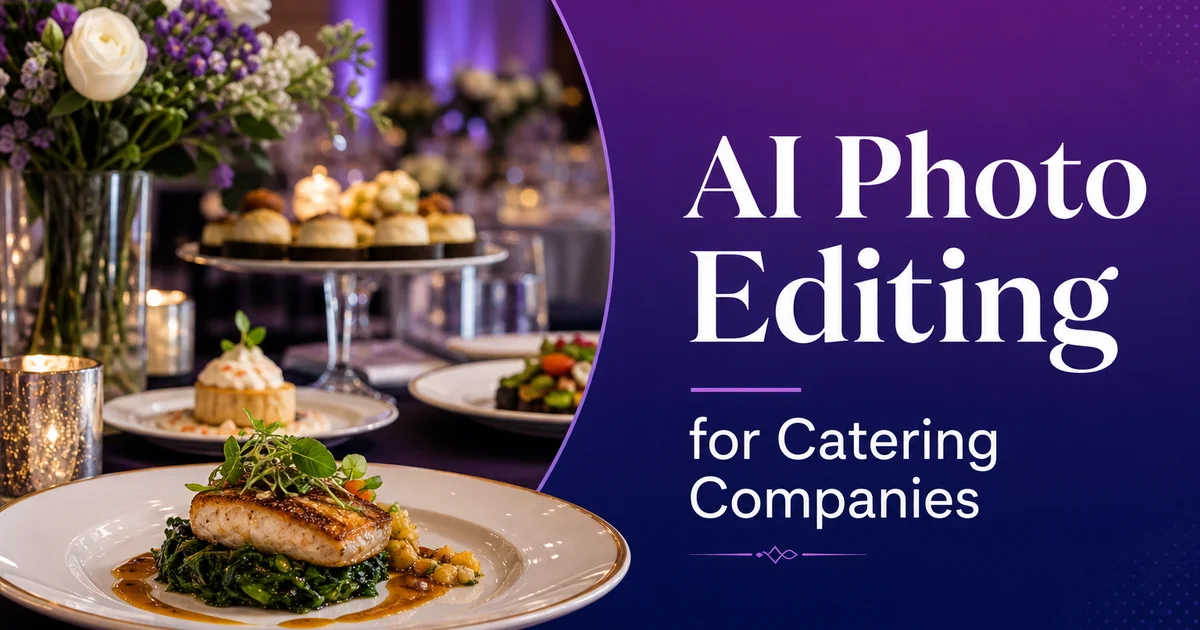
Empresas de catering vendem uma experiência que existe por apenas algumas horas e depois desaparece. A comida é consumida, a decoração da mesa é retirada e o local retorna ao seu estado padrão. A única evidência duradoura do trabalho de uma empresa de catering são as fotografias. E essas fotografias se tornam a ferramenta principal para conquistar o próximo cliente. Um potencial cliente corporativo avaliando três propostas de catering escolherá aquela com as fotos de eventos mais impressionantes quase todas as vezes. A apresentação de alimentos é inerentemente visual e impossível de avaliar apenas por uma descrição escrita.
O desafio para os profissionais de catering é que a fotografia de eventos acontece nas piores condições possíveis. A iluminação do local varia de salões de banquete mal iluminados com lustres de tons quentes a salas de conferência de hotel com luzes fluorescentes agressivas. Os fundos estão repletos de equipamentos audiovisuais, cadeiras empilhadas, placas de saída e equipamentos de outros fornecedores. A janela para fotografar uma montagem impecável geralmente é de quinze minutos ou menos antes que os convidados cheguem e comecem a perturbar a apresentação. A maioria dos profissionais de catering captura essas imagens cruciais com o celular enquanto gerencia simultaneamente o serviço de alimentação, sem tempo para composição cuidadosa ou ajustes de iluminação.
As ferramentas de edição de fotos com IA transformam esses instantâneos apressados de eventos em imagens de qualidade profissional. O Magic Eraser remove a desordem e os equipamentos do local que distraem da apresentação dos alimentos. O AI Enhance corrige a iluminação inconsistente do local que faz pratos cuidadosamente preparados parecerem opacos ou descoloridos. O AI Fill expande composições que ficaram muito apertadas devido às restrições do espaço. Este guia aborda fluxos de trabalho práticos que equipes de catering podem integrar ao processo de documentação de eventos sem adicionar complexidade a um dia de serviço já exigente.
- O Magic Eraser remove cabos audiovisuais, cadeiras empilhadas, placas de saída e equipamentos de fornecedores concorrentes das fotos de eventos para que o foco permaneça na comida e na apresentação.
- O AI Enhance corrige inconsistências de iluminação do local — salões de banquete escuros, fluorescentes agressivos, luz externa mista — para que as cores dos alimentos pareçam naturais e apetitosas.
- O AI Fill expande composições apertadas onde as restrições do local impediram capturar toda a extensão da mesa ou o arranjo do buffet.
- Uma rotina fotográfica de quinze minutos durante a montagem produz matéria-prima para meses de conteúdo de marketing com tempo mínimo de edição.
- Portfólios organizados de fotos de eventos categorizados por tipo de evento se tornam a espinha dorsal visual das apresentações de propostas que convertem clientes potenciais.
Fotografando comida e montagens de eventos em condições reais do local
O hábito mais importante que uma empresa de catering precisa desenvolver é fotografar cada evento durante a janela de ouro. O breve período após a montagem estar completa, mas antes da chegada dos convidados. Este é o único momento em que a comida está no seu auge visual, as decorações de mesa estão intactas. Todo o escopo do seu trabalho está visível. Designe um membro da equipe para passar dez a quinze minutos percorrendo a montagem com o celular, capturando planos abertos da apresentação completa de múltiplos ângulos, planos médios de estações individuais de comida. Closes de pratos especiais que destacam sua técnica culinária.
Para pratos empratados, fotografe de um ângulo de 45 graus para mostrar tanto o topo do prato quanto a altura das guarnições e torres de proteína. Para apresentações planas como tábuas de frios, bandejas de sushi e arranjos de aperitivos, fotografe diretamente de cima. Para o buffet completo ou a disposição da mesa, encontre o ponto mais alto disponível. Suba em um banquinho ou fotografe de um mezanino se o local tiver um. Sempre tire mais fotos do que acha necessário, porque o processo de edição funciona melhor quando você pode selecionar o quadro mais nítido e melhor composto de uma série de fotos similares.
Eventos ao ar livre apresentam tanto oportunidades quanto desafios. A luz natural do dia produz a melhor iluminação para fotografia de alimentos. A luz solar direta cria sombras duras nos pratos e reflexos em equipamentos metálicos de serviço. Posicione-se de modo que o sol fique atrás de você ou de lado. Fotografe durante a luz mais suave do final da tarde quando possível. Para eventos com tendas, a luz difusa sob uma cobertura de tenda branca é na verdade ideal. Ela cria uma iluminação suave e uniforme que faz a comida parecer fresca e vibrante, sem a projeção fluorescente dos salões de banquete internos.
- Designe um membro da equipe para fotografar a montagem completa durante a janela de ouro de quinze minutos antes da chegada dos convidados.
- Use ângulos de 45 graus para pratos empratados para mostrar altura, e diretamente de cima para apresentações planas como tábuas de frios e arranjos de aperitivos.
- Tire mais fotos do que acha necessário — o processo de edição depende de ter múltiplos quadros para selecionar a foto mais nítida e melhor composta.
- Para eventos ao ar livre, posicione o sol atrás de você e aproveite a luz suave e difusa sob coberturas de tendas brancas.
Removendo distrações do local para destacar seu trabalho de catering
Locais de eventos são espaços funcionais projetados para flexibilidade, não para fotografia. Atrás do seu buffet lindamente arranjado pode haver uma pilha de cadeiras extras de banquete, um carrinho audiovisual com cabos emaranhados, um extintor de incêndio em uma caixa vermelha brilhante. Placas de saída iluminadas que desviam o olhar da comida. Em primeiro plano, você pode capturar a borda de uma bandeja de serviço, latas de combustível para rechauds, ou o braço de um colega de catering cruzando o quadro. Esses elementos são invisíveis para você durante a correria do serviço, mas se tornam imediatamente óbvios quando você revisa as fotos depois.
O Magic Eraser lida com todas essas distrações comuns do local. Comece pelos elementos visualmente mais proeminentes. As placas de saída vermelhas brilhantes e os extintores de incêndio que criam pontos de cor indesejada em um design de mesa que, de outra forma, seria coeso. Depois remova equipamentos audiovisuais, móveis empilhados e quaisquer itens com marca de outros fornecedores ou do próprio local. Para fotos onde o braço de um membro da equipe ou um equipamento de catering está parcialmente no quadro, o Magic Eraser remove a intrusão de forma limpa e reconstrói a mesa ou o fundo subjacente.
Seja seletivo sobre o que remover. Um lindo lustre do local acima da sua decoração de mesa agrega valor à imagem. Detalhes arquitetônicos elegantes no fundo fornecem contexto de que foi um evento de alto nível. O objetivo é remover os elementos funcionais e utilitários. A infraestrutura da produção do evento — enquanto mantém os elementos estéticos que complementam sua apresentação de alimentos. O resultado deve parecer o de uma empresa de catering que sempre trabalha em espaços perfeitamente limpos e cuidadosamente projetados.
- Priorize a remoção de distrações de cores vivas como placas de saída vermelhas e extintores de incêndio que desviam o olhar da sua apresentação de alimentos.
- Remova equipamentos audiovisuais, móveis empilhados e marcas de fornecedores concorrentes que prejudicam a narrativa visual do seu trabalho de catering.
- Preserve belos elementos do local como lustres e detalhes arquitetônicos que adicionam contexto e elevam a qualidade percebida do evento.
- Limpe membros da equipe e equipamentos parcialmente capturados nas bordas do quadro para uma composição polida e intencional.
Corrigindo a iluminação do local para representação precisa dos alimentos
A iluminação é a maior variável individual na fotografia de alimentos, e os locais de eventos não dão nenhum controle sobre ela. Um salão de banquete com lustres de tungstênio quente faz tudo parecer âmbar. Suas toalhas brancas parecem amarelas, seus guardanapos de destaque azuis cuidadosamente selecionados parecem marrons, e suas guarnições verdes perdem a frescura. Uma sala de conferência de hotel com fluorescentes no teto cria o problema oposto. Tudo ganha um tom frio e esverdeado que faz até os pratos mais vibrantes parecerem institucionais. A iluminação mista de janelas combinada com fontes artificiais cria cores desiguais na mesma mesa.
O AI Enhance aborda todos esses cenários analisando a imagem e corrigindo o balanço de branco para uma linha de base neutra. Pratos e toalhas brancas se tornam genuinamente brancos, o que permite que as cores naturais dos alimentos apareçam com precisão. Uma sopa de tomate parece vermelha rica em vez de âmbar ou rosa. Uma guarnição de ervas frescas aparece como verde brilhante em vez de oliva opaco. A correção é especialmente importante para fotos de propostas onde um cliente potencial está julgando se sua comida parece apetitosa. A precisão das cores impacta diretamente essa percepção.
Além da correção de cores, o AI Enhance realça os detalhes de textura que tornam a fotografia de alimentos forte. As marcas de grelha em uma proteína, a superfície brilhante de um glacê, os grãos individuais de um sal de finalização e as camadas delicadas de uma massa folhada. Esses detalhes se perdem na fotografia em locais com pouca luz, mas são exatamente o que faz um cliente potencial pausar e estudar sua imagem. Passar cada foto de evento pelo AI Enhance deve ser tão automático quanto colocar uma guarnição no prato. É o equivalente digital do toque final que eleva a apresentação.
- O AI Enhance corrige tons quentes de tungstênio que fazem toalhas brancas parecerem amarelas e tons frios de fluorescentes que fazem a comida parecer institucional.
- O balanço de branco preciso em pratos e toalhas permite que as cores naturais dos alimentos — vermelhos do tomate, verdes das ervas, dourados dos molhos — apareçam fielmente.
- Detalhes de textura realçados como marcas de grelha, glacês e sais de finalização tornam as fotos de alimentos convincentes o suficiente para fazer um cliente potencial parar durante a rolagem.
- A correção de cores consistente em todas as fotos de eventos cria um portfólio coeso que reflete a qualidade do seu trabalho culinário.
Construindo apresentações de propostas e cardápios com fotografia editada de eventos
O retorno sobre investimento mais direto da fotografia editada de eventos está no seu processo de propostas. Quando um planejador de eventos corporativos ou um casal de noivos avalia propostas de catering, a apresentação visual do seu trabalho anterior é o fator decisivo após o preço. Uma apresentação de proposta com seis a oito fotos de eventos editadas e de alta qualidade mostrando sua comida em ambientes reais — não fotografias de banco de imagens — comunica profissionalismo, experiência e capacidade de uma forma que nenhuma descrição escrita pode igualar. A Special Events relata que profissionais de catering com portfólios visuais fortes sempre convertem propostas em taxas mais altas.
Organize sua biblioteca de fotos por tipo de evento para que você possa rapidamente selecionar imagens relevantes para cada proposta. Um cliente corporativo quer ver eventos corporativos anteriores. Jantares com serviço empratado em ambientes de conferência, estações de coquetel e montagens de café da manhã executivo. Um cliente de casamento quer ver decorações de mesa elegantes, apresentações de aperitivos servidos em bandejas e exibições de bolos. Ter essas categorias pré-organizadas com suas melhores imagens editadas significa que você pode montar uma proposta visual personalizada em minutos, em vez de rolar por um rolo de câmera desorganizado procurando as fotos certas.
As páginas de cardápio do seu site e materiais impressos se beneficiam igualmente desta biblioteca de fotos. Cada categoria do cardápio — aperitivos, pratos principais, sobremesas, estações — deve apresentar pelo menos três a quatro fotos editadas dos pratos reais preparados para eventos reais. Essas imagens de eventos reais são mais persuasivas do que fotografia de alimentos em estúdio porque mostram a comida como ela realmente aparece quando servida aos convidados, em porções e apresentações realistas. Atualize essas imagens trimestralmente conforme você fotografa novos eventos para manter seu portfólio visual fresco e reflexo da sua direção culinária atual.
- Apresentações de propostas com seis a oito fotos editadas de eventos reais convertem em taxas significativamente mais altas do que propostas apenas com texto ou fotos de banco de imagens.
- Organize sua biblioteca de fotos por tipo de evento — corporativo, casamento, coquetel, buffet — para que você possa montar propostas visuais personalizadas em minutos.
- Use fotos reais de alimentos de eventos nas páginas de cardápio em vez de fotos de estúdio porque elas mostram os pratos como os convidados realmente os experienciam.
- Atualize a fotografia do site e dos cardápios trimestralmente com suas últimas imagens editadas de eventos para refletir sua direção culinária atual.
Estratégia de redes sociais baseada em documentação consistente de eventos
Uma empresa de catering que fotografa cada evento e processa as melhores imagens através de um fluxo de trabalho rápido de edição nunca fica sem conteúdo para redes sociais. Três a cinco fotos editadas de cada evento, publicadas cuidadosamente ao longo das duas a três semanas seguintes, sustentam uma presença consistente nas redes sociais sem exigir tempo dedicado à criação de conteúdo. A chave é fotografar material bruto suficiente durante cada evento para ter ângulos e temas diversos para distribuir em múltiplas publicações. Um plano aberto para a publicação inicial de recapitulação do evento, um close de um prato para um destaque gastronômico no meio da semana, e uma foto de ambiente para uma publicação inspiracional de fim de semana.
Instagram e Pinterest são as plataformas principais onde empresas de catering ganham visibilidade junto aos clientes, e ambas recompensam fotografia de alimentos de alta qualidade. Um feed cheio de fotos de eventos editadas com maestria — iluminação consistente, fundos limpos, cores vibrantes de alimentos — cria uma identidade visual de marca que o separa dos concorrentes que publicam fotos não editadas do celular. Use publicações em carrossel para mostrar a progressão da montagem de um evento, da sala vazia à decoração completa da mesa aos pratos empratados, contando a história do seu trabalho do início ao fim.
Marque o local, o planejador de eventos, o florista e quaisquer outros fornecedores em cada publicação. Essas marcações cruzadas expõem seu conteúdo ao público de cada fornecedor e constroem os relacionamentos de indicação que impulsionam as reservas de catering. Um planejador de casamentos que vê suas fotos sempre bonitas de eventos em seu local é muito mais propenso a recomendá-lo a futuros clientes. As fotos editadas se tornam tanto conteúdo de marketing quanto ferramentas profissionais de networking. Cada publicação marcada é um cartão de visita visual compartilhado com o público exato que contrata serviços de catering.
- Três a cinco fotos editadas por evento, publicadas ao longo de duas a três semanas, sustentam uma presença consistente nas redes sociais sem tempo dedicado à criação de conteúdo.
- Instagram e Pinterest recompensam fotografia de alimentos de alta qualidade — edição consistente cria uma identidade visual de marca que o separa dos concorrentes não editados.
- Publicações em carrossel mostrando a progressão do evento — sala vazia, montagem completa, pratos empratados — contam a história do seu trabalho e impulsionam o engajamento.
- Marque locais, planejadores, floristas e outros fornecedores para construir relacionamentos de indicação que impulsionam as reservas de catering.
How to do it
- 1
Photograph dishes and setups during the golden window before guests arrive
The fifteen to twenty minutes after your team finishes plating and arranging the buffet or table settings. But before guests arrive and disturb the display — is your golden window for photography. Walk the entire setup and take wide shots of the full spread, medium shots of individual stations, and close-ups of signature dishes. Use natural light from venue windows whenever possible. Shoot from a 45-degree angle for plated dishes and from directly above for flat-lay arrangements of appetizers and charcuterie boards.
- 2
Remove venue clutter and equipment from event photos with Magic Eraser
Event venues are full of visual distractions. Stacked chairs in the background, AV equipment cables, exit signs, fire extinguishers, and catering equipment like chafing dish fuel cans and bus tubs. Use Magic Eraser to remove these elements from your event records photos so the focus stays on your food display and table design. Pay special attention to removing branded items from the venue or competing vendors that distract from your catering work.
- 3
Enhance food colors and lighting with AI Enhance
Event venues are notorious for difficult lighting. Dim banquet halls with warm tungsten chandeliers, outdoor tents with mixed sun and shade, and fluorescent-lit hotel conference rooms that make food look gray. Run your food photos through AI Enhance to correct white balance so whites on plates and linens are actually white, boost the natural vibrancy of fresh ingredients without making them look artificial. Sharpen detail on garnishes and textures that get lost in low-light venue photography.
- 4
Use AI Fill to complete partially captured setups
Sometimes you cannot step back far enough to capture the full table spread because of venue constraints. A wall behind you, other vendor equipment, or guests already arriving from one direction. AI Fill can extend the edges of your photo to show a complete, balanced composition. It can also fill in a spot where a dish was removed before you finished photographing, or reconstruct a portion of a table arrangement that was blocked by a server walking through the frame.
- 5
Build a proposal-ready portfolio from edited event photos
Organize your best edited photos into categories that match how clients shop for caterers: cocktail receptions, plated dinners, buffet spreads, outdoor events, and corporate functions. For each event, select one hero shot of the full setup, two to three detail shots of signature dishes. One ambiance shot showing the food in context with the table decor and venue. These curated sets become the visual backbone of your proposal decks, website gallery, and social media content calendar.
Fontes
- Food Photography and Visual Marketing in the Catering Industry — Catering Magazine
- How Event Photos Drive Client Acquisition for Caterers — Special Events
- Social Media Marketing Best Practices for Food Service Businesses — National Restaurant Association